On the trail of natural inhibitors of 15-pgdh I ended up ordering some dried leaves that are normally put into fish tanks. Im currently wondering how to consume them…
Wondering where the big money biohackers are relative to this topic. Certainly not liking the wait to 2033 for anything available for us bottom feeders.
What plant?
Jackfruit leaves
Brilliant! So putting aside the sodium/ toxicity etc risks we have the increased cancer risks of suppressing 15-pgdh but then again if OA is inhibiting you exercising thats also increasing your cancer risk presumably…
Based on the scientific literature, there is direct preclinical evidence identifying Artocarpus heterophyllus (Jackfruit) extracts as potent inhibitors of 15-hydroxyprostaglandin dehydrogenase (15-PGDH).
While there are no Phase I-III clinical trials specifically testing Jackfruit leaves for 15-PGDH inhibition in humans to date, in vitro and animal data strongly support this mechanism.
1. The Core Scientific Evidence
The “smoking gun” evidence comes from a screening study that identified Artocarpus heterophyllus as a top candidate among 98 medicinal plants for this specific enzymatic activity.
- Study: In-vitro Wound Healing Effect of 15-Hydroxyprostaglandin Dehydrogenase Inhibitor from Plant (PubMed ID: 28479736).
- Findings: The ethanol extract of Artocarpus heterophyllus (EEAH) was identified as a potent 15-PGDH inhibitor.
- Potency: It demonstrated an IC50 of 0.62 µg/mL, which is considered highly potent for a crude natural extract.
- Mechanism Observed: The extract inhibited 15-PGDH activity, leading to a concentration-dependent elevation of Prostaglandin E2 (PGE2) levels in HaCaT (keratinocyte) cells.
- Result: This elevation in PGE2 accelerated wound closure in scratch assays, validating the regenerative mechanism.
2. Mechanism of Action: The “Gerozyme” Connection
For a longevity specialist, the context of this inhibition is critical. 15-PGDH is currently characterized as a “gerozyme” (an aging-associated enzyme) by researchers like Helen Blau at Stanford.
- The Pathway: 15-PGDH degrades PGE2.
- The Logic: PGE2 is essential for tissue regeneration (muscle stem cell proliferation, mitochondrial function, cartilage repair). As mammals age, 15-PGDH levels rise, PGE2 levels fall, and regenerative capacity declines.
- Jackfruit’s Role: By inhibiting 15-PGDH, the active compounds in Jackfruit leaves/bark “spare” PGE2, effectively mimicking the regenerative environment of younger tissue. This is the same mechanism of action as the synthetic drug SW033291, which has been shown to regenerate muscle mass and liver tissue in aged mice.
3. Source Material & Extraction
The evidence points specifically to ethanolic extracts, not aqueous (water) teas.
- Leaves vs. Bark: While the primary 15-PGDH study utilized a general extract (likely aerial parts), related studies confirm that Jackfruit leaves specifically contain the bioactive prenylated flavonoids (such as artocarpin, artocarpesin, and norartocarpetin) responsible for this activity.
- Solubility: These bioactive flavonoids are poorly soluble in water. Scientific data suggests that to achieve the 15-PGDH inhibitory effect, an alcohol-based extraction (ethanol) is required to pull the necessary prenylflavonoids from the leaf matrix.
4. Clinical Evidence & Gaps
- Clinical Evidence: None. There are no registered clinical trials validating Jackfruit leaf extract specifically for 15-PGDH inhibition in humans. Current human evidence is limited to traditional use for wound healing and diabetes (which involves different pathways).
- Animal Evidence: Strong. Studies on diabetic rats and wound models show that Jackfruit leaf extracts accelerate tissue repair, a phenotype consistent with elevated PGE2 levels via 15-PGDH inhibition.
Summary of Data
| Parameter | Evidence Status | Notes |
|---|---|---|
| Target | Confirmed | Inhibits 15-PGDH enzyme in vitro. |
| Potency | High | IC50 = 0.62 µg/mL (Ethanol extract). |
| Bioactives | Identified | Likely prenylated flavonoids (Artocarpin, Artocarpesin). |
| Human Data | Missing | No clinical trials confirm this specific pathway in humans yet. |
| Extraction | Critical | Must be Ethanolic; water extracts likely inactive for this target. |
Conclusion
The scientific evidence validates that ethanol extracts of Jackfruit leaves/biomass are potent 15-PGDH inhibitors in vitro, capable of elevating PGE2 and driving regeneration. This offers a natural analogue to synthetic 15-PGDH inhibitors currently under investigation for sarcopenia and tissue rejuvenation.
I havent been able to find any source of extract here in the UK so ended with a bunch of fishtank leaves from India on ebay. I can find fruit extract but not leaf extract and presumably I would need the latter. Does the above mean that if I blend the leaves up with water and drink them its not going to have the same impact as extracting the active elements using ethanol? Or is ethanol extraction just a way of avoiding eating a lot of leaves? I guess this is a little academic as ive now ordered some liquorice root extract…
How do you to measure effectiveness?
Im going by feel. If i can exercise without pain I will assume its working. Of course that could be wrong because you could have a steroid injection and feel less pain but you’ve actually degraded your cartilage faster…
Better off doing an extract than a smoothie probably.
additional study results announced:
Phase 1 Study Details
The randomized, double-blind, placebo-controlled single and multiple-ascending dose (SAD and MAD) trial was designed to assess the safety, tolerability, PK and PD of MF-300 in healthy adults, including younger (≥18 to ≤65 years of age) and older (>65 to ≤75 years of age) participants.
A total of 100 healthy participants were enrolled and received oral administration of MF-300 or placebo as part of single- and multiple-ascending (once daily dosing for 5 days) dose cohorts. MF-300 was well tolerated across all cohorts, with no serious adverse events and all participants completed the study. Most adverse events were assessed as mild. PK analyses demonstrated a half-life supporting a convenient once-daily oral administration. Evidence of on-target biological activity was observed, in a dose-dependent manner, as measured by changes in PGE2 and its metabolites, guiding dose selection for Phase 2. Findings were consistent between younger and older participants.
The company plans to initiate a randomized, placebo-controlled, Phase 2 clinical trial in patients with sarcopenia in mid-2026.
So no-one got cancer… yet. That’s good news. Bring on the liquorice root extract! I was going to speculate as to whether suppressing 15-pgdh will be shown to have benefits in other tissues besides muscle and cartilage, but looking back through the thread i can see blood brain barrier, rejuvenation of stem cells etc. Looks very promising except for the cancer risk. I’ve listened to a lot of Helen Blau interviews/podcasts and not heard her address the cancer question anywhere. No-one is asking I guess.
Interesting that the press release says “neuromuscular and fibrotic diseases”. I guess you could say OA is a fibrotic disease in that the joint compensates for injury by generating fibrotic cartilage rather than the smooth hyaline stuff that you want. And the fibro cartilage just doesnt do the job of the original and ends up breaking down. But that raises another question. I believe some joints ie your intravertebral discs are fibro rather than hyaline so what does it do there?
Are they thinking that it will reverse fibrosis everywhere? That would be quite a bonus… Sometimes it’s hard to believe that it’s really that simple ie that a bit of liquorice root will roll back the years of damage across multiple tissues.
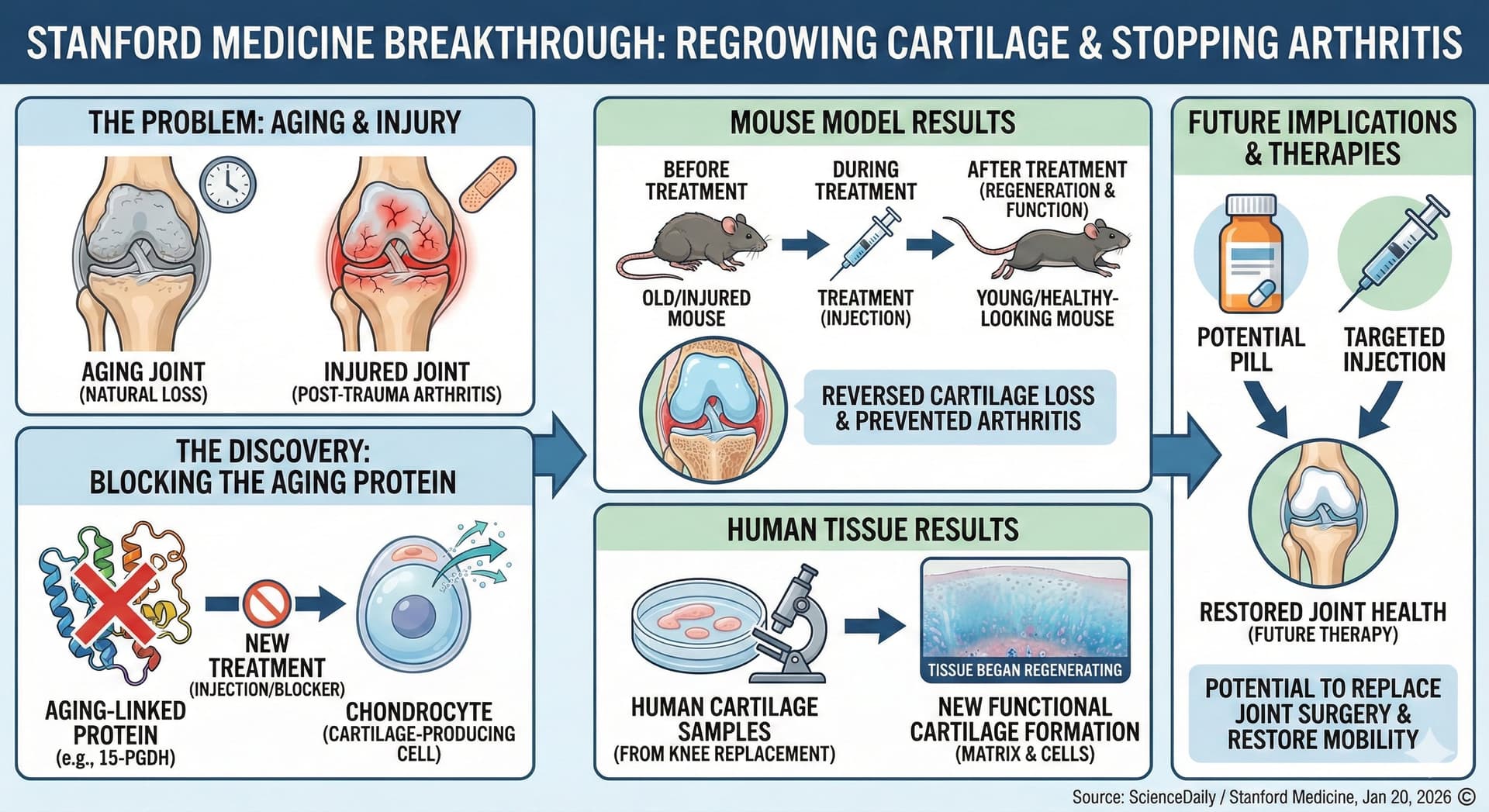
I wonder if a 15-PGDh inhibitor injection into an injured tendon would promote regeneration? A lot of this thread pertains to PGE2’s ability to restore healthy muscle. It seems to me that many older people could maintain muscle mass with a decent training program even without PGE2 or other interventions , but tendon and joint injuries make effective training nearly impossible. Tendons are like cartilage in that blood flow to the tissue is poor and healing takes forever. It often takes over a year for tennis elbow to heal in a younger person, and often won’t heal at all in older people.
Progres…
Epirium Bio Announces Positive Type C (End-of-Phase 1) Meeting with FDA Supporting Advancement of MF-300 to a Phase 2b Clinical Trial in Sarcopenia
Epirium Bio Inc. (Epirium), a clinical-stage biopharmaceutical company advancing medicines for neuromuscular, immunological and fibrotic diseases, today announced outcomes from its Type C meeting with the Food and Drug Administration (FDA). Epirium has received written feedback from the FDA on its Phase 2b trial plan to evaluate MF-300, an oral 15-PGDH enzyme inhibitor for the treatment of age-related sarcopenia. Epirium has previously completed a positive Phase 1 clinical trial of MF-300, including older adult cohorts.
Based on the positive outcome of this Type C meeting, Epirium will continue its plans to initiate a 6-month, randomized, double-blind, placebo-controlled, multi-center Phase 2b study designed to assess the safety and efficacy of MF-300 in patients diagnosed with age-related sarcopenia in the second half of 2026. The Company also plans to file an application for Fast Track Designation which, if accepted, will allow greater access to FDA interaction during MF-300 development for sarcopenia and enable priority review.