If you’re that interested, I suggest you research the professor
A range of views is one thing. Intentionally or unintentionally misrepresenting the facts and the research is. unethical at best and deceitful at worse.
1 Like
Facts and data are funny things they never seem to want to hit on our side
1 Like
The fact that rapamycin is not going to be a money maker for anyone or any corporation is the reason they are being intentionally blind to the overwhelming data. Trust. both of them are counting on a new intervention to either further their podcast careers or be their golden piggy.
1 Like
Yes - he is the leader of the ITP (since its inception I think, over a decade ago). He’s a scientist and takes a very factual approach to things as scientists tend to do. If there haven’t been any clinical studies in humans for longevity, then he won’t say it definitely works in humans because we honestly don’t know for sure. Some things work in mice, or dogs or even monkeys, and don’t work in humans.
And he knows that his words carry a lot of weight. We follow Richard Miller podcasts very closely here and all the studies that come out of his lab. We also talk with Richard and his team by email relatively frequently. If the results are good from one of his studies, people will definitely start taking the drug (and he knows that), so he tries to take the conservative approach to emphasize all the things that we don’t know. He definitely does not get out in front of the evidence. Which is all fine, from my perspective.
While I agree with you that the risk/reward debate on rapamycin is very good from my experience, I also know that we are light on the human clinical data, so I don’t push it on people. I have friends who have tried rapamycin and just felt exhausted all the time while on it, so it doesn’t work for everyone! And for people who have pre-existing conditions, the risk/benefit ratio gets even more murky.
2 Likes
Actually, we are not light on the clinical data concerning rapamycin on any safety protocols. To criticize an intervention and question it’s safety while ignoring the preponderance of evidence that any side effects are non-life altering or threatening is the worst kind of cherry picking. As I said, before these two are looking for an intervention that they can claim credit for or get on the bandwagon.
1 Like
Views are views facts are facts
1 Like
To ignore the fact that this drug has been used for over three decades at conservatively five times. The dosage is a fact that is obviously being ignored. Any ethical scientist or researcher that takes a strong stand or critique against any intervention while ignoring a Mountain of evidence that contradicts their insinuations.
1 Like
BTW, having a conservative stance is not the same as completely ignoring the facts and data
1 Like
When someone has an opinion that differs from mine I like to work out why that is. That is why I asked for a link to the original podcast so I can listen to Richard Miller’s analysis.
Very often you can learn more from people you disagree with.
The facts that are relevant to this are that rapamycin has a number of effects some of which are negative some of which are positive.
1 Like
It’s an episode of the show “decoding longevity”. It’s on spotify, apple and even youtube:
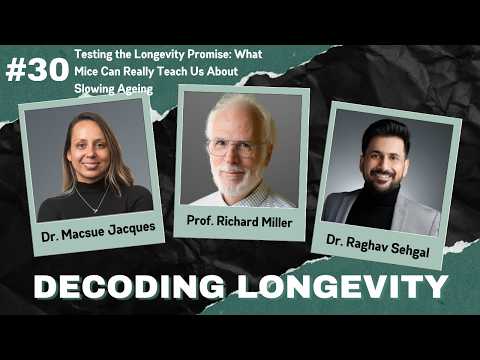
4 Likes
Thanks for this. I have run it through chatGPT and the response is below. Richard Miller’s view is I think simply one which requires more evidence to take a particular action. It is a risk reward question really. I will do a later post on the testicular and cataract issue.
Below is a summary and critique. I have also cleaned the full transcript, removing timestamps, repetitions and obvious speech-to-text errors and standardising terms such as rapamycin, canagliflozin, 17α-estradiol, acarbose, interleukin-11 and ITP.
Summary
The interview with Professor Richard Miller centres on a deceptively simple question: how can we tell whether an intervention actually slows ageing rather than merely preventing one disease?
Miller defines ageing pragmatically as the collection of processes that progressively turn healthy young adults into older individuals with declining function and increasing susceptibility to multiple diseases. His strongest evidence that ageing is modifiable comes from caloric restriction, longevity mutations and several pharmacological interventions in mice. His key criterion is coordinated postponement of multiple age-related outcomes, rather than improvement in a single disease.
He argues that targeting ageing could theoretically produce much larger gains than eliminating individual diseases. He cites demographic modelling suggesting that completely eliminating either cancer or cardiovascular disease would add only a few years to average human lifespan because another exponentially increasing age-related disease would soon take its place. By contrast, several interventions in mice increase lifespan by roughly 15–30%, while also delaying multiple forms of functional deterioration.
Why the ITP matters
A substantial part of the interview explains the design of the NIA Interventions Testing Program (ITP). Miller identifies four particularly important features:
- Experiments are performed independently at three sites using common protocols.
- The mice are genetically heterogeneous UM-HET3 mice, rather than a single inbred strain.
- Studies use large numbers of animals, with approximately 150 males and 150 females for each intervention, plus larger control groups.
- Every intervention is tested in both sexes.
The design is intended to prevent apparently impressive longevity effects arising from a peculiar mouse genotype, laboratory environment, inadequate statistical power or one sex alone.
This has proved important because several ITP interventions have striking sex differences.
Rapamycin
Miller regards the discovery that rapamycin can extend mouse lifespan even when treatment begins late in life as particularly important. He initially expected an ageing intervention to require treatment from early adulthood.
However, rapamycin started at around 20 months in mice retained a substantial longevity effect. Later experiments showed that 17α-estradiol and canagliflozin also retain efficacy when initiated relatively late, whereas late-start acarbose retains only part of its early-start effect.
This matters clinically because, if anything comparable were eventually demonstrated in humans, preventive treatment might not have to start in youth.
Miller is much more cautious about people already taking rapamycin for longevity. His position is essentially:
excellent mouse evidence ≠ evidence of human lifespan extension.
He points to cataracts, testicular degeneration and insulin resistance observed with mouse treatment and stresses that subtle adverse effects—for example an increased risk of serious infection in old age—could take decades and enormous human populations to detect.
Sex-specific longevity effects
The ITP has produced an intriguing pattern:
- canagliflozin: longevity benefit principally observed in males;
- 17α-estradiol: principally males;
- acarbose: benefits both sexes, but males substantially more;
- other interventions also show male-specific responses.
Miller describes work suggesting interleukin-11 (IL-11) might contribute to this sexual dimorphism. Some male-beneficial drugs reduce IL-11 in male abdominal fat but increase it in females. He presents this as a mechanistic lead rather than an established explanation.
Negative findings
Miller considers negative ITP results important because many fashionable longevity interventions fail rigorous testing. The discussion mentions resveratrol, nicotinamide riboside and metformin.
Crucially, he does not argue that failure in mice proves failure in humans. Rather, it should lower confidence in strong claims until human evidence exists.
He is particularly sceptical of the frequently repeated claim that metformin-treated diabetics live longer than metabolically healthy non-diabetics, arguing that this interpretation arose largely from problematic epidemiology.
Lifespan versus healthspan
One of Miller’s more provocative arguments is that “healthspan” is not a particularly useful scientific variable.
His reasoning is that lifespan has an unambiguous endpoint—death—but health does not. Does healthspan end with a cataract, atrial fibrillation, impaired balance, osteoporosis, cognitive impairment or some arbitrary combination?
Instead, he proposes asking whether an intervention postpones or worsens specific age-sensitive functions and diseases.
He also rejects the assumption that longer lifespan necessarily means prolonged frailty. In successful mouse longevity interventions, increased lifespan commonly accompanies delayed cancer, preserved immunity, better hearing or preserved organ function.
Biological-age clocks
Miller is strongly sceptical of attempts to assign an individual a single “biological age.”
His objection is conceptual. Two people of chronological age 70 might have radically different patterns of cognitive, cardiovascular, skeletal, renal and immune ageing. Reducing that multidimensional state to a statement such as “biological age = 68” risks discarding more information than it provides.
He applies a similar criticism to biomarkers of ageing. Thousands of variables change with age; demonstrating correlation with chronological age does not demonstrate that a marker measures the underlying rate of ageing.
The “speedometer” concept
This is perhaps the most scientifically interesting section.
Miller distinguishes:
- odometer biomarkers — tell us how much age-associated change has accumulated;
- speedometer biomarkers — would measure how rapidly ageing is occurring right now.
His laboratory is searching across multiple genetically, pharmacologically and dietarily long-lived mouse models for molecular or physiological variables that change consistently in the same direction in virtually all slow-ageing models.
He gives doublecortin in the brain as one candidate.
The proposed test is then deliberately prospective: new interventions whose lifespan effects are independently known should move these candidate ageing-rate indicators in the predicted direction if they truly measure ageing velocity.
If validated and translatable to humans, such measures could potentially turn a decades-long human longevity experiment into a much shorter proof-of-concept study.
Critique
1. The methodological argument is exceptionally strong
The interview is at its best when Miller discusses experimental design.
Three-site replication, heterogeneous mice, both sexes and large samples address several major sources of irreproducibility in preclinical ageing research. The ITP consequently provides considerably stronger evidence than the traditional model of a single laboratory reporting increased lifespan in one inbred strain.
The negative results are almost as useful as the positive ones because they impose a reasonably consistent evidential filter on fashionable interventions.
2. Genetic heterogeneity is not the same as human heterogeneity
Miller acknowledges this, but it deserves greater emphasis.
UM-HET3 mice provide useful genetic heterogeneity within a deliberately reproducible population. Humans vary additionally in:
- diet;
- microbiome;
- medication combinations;
- socioeconomic circumstances;
- exercise;
- infections;
- lifetime environmental exposures;
- disease histories.
Thus an intervention robust across HET3 mice has cleared a useful hurdle, but the distance between that and population-level human efficacy remains enormous.
3. Some of the caloric-restriction language is too categorical
Miller says caloric restriction essentially established definitively that ageing can be slowed across large numbers of strains and species. The central conclusion is reasonable, but the wording makes CR sound considerably more uniform than the literature actually is.
Different genotypes, sexes, feeding protocols and nutritional compositions can produce different—and occasionally adverse—responses.
The more defensible conclusion is therefore:
Age-related phenotypes can clearly be coordinately delayed by manipulating energy and nutrient availability.
That does not require claiming that classical CR produces the same beneficial response universally.
4. Disease-elimination versus ageing comparison is illuminating but somewhat rhetorical
The cancer/cardiovascular example is useful because it illustrates competing mortality risks: eliminate one major cause of death and another age-related cause becomes limiting.
But comparing those demographic calculations directly with a 15–30% mouse lifespan increase is not quite like-for-like.
Mouse longevity studies occur in controlled environments with different causes of death and greatly reduced exposure to infections, accidents and social/environmental mortality.
The comparison therefore works better as a conceptual illustration than as a quantitative prediction of human benefit.
5. Mouse-to-human age conversion is too simplistic
Statements such as 16–20-month-old mice corresponding to humans aged approximately 50–60 are convenient shorthand.
But mouse ageing is not a simple compressed version of human ageing. Different tissues and physiological systems age on different relative schedules.
The important finding is simply that late-middle-aged mice can still respond strongly. Precise human age equivalence should not carry much weight.
6. Miller’s rapamycin caution is well founded, but deliberately asymmetric
His warning against assuming that mouse lifespan extension means human lifespan extension is entirely justified.
However, saying people are using rapamycin in the absence of “almost any useful evidence” somewhat understates the situation even within the interview itself: he later mentions evidence that rapamycin/mTOR-modulating approaches can improve influenza vaccine responses.
The more precise distinction would be:
There is interesting human pharmacodynamic and short-term functional evidence, but essentially no direct evidence that rapamycin extends human lifespan or produces a net lifetime benefit.
That distinction is important.
7. The healthspan criticism is partly semantic
Miller makes a good argument that healthspan cannot be reduced naturally to one objective number.
But that does not make the concept useless.
Clinical research can define operational outcomes such as:
- disability-free survival;
- disease-free survival;
- frailty-free survival;
- years without major chronic disease;
- mobility and cognitive trajectories.
These definitions are partly conventional, but so are many clinically useful endpoints.
His deeper point is stronger than his terminological objection: we should inspect multiple dimensions of ageing rather than hide them inside a single composite number.
I agree with that argument much more than with the assertion that healthspan itself is an “awful term.”
8. The criticism of biological age is important
This is one of the most persuasive conceptual arguments in the interview.
A single biological-age number inevitably maps a multidimensional organism onto a one-dimensional scale.
It can still have predictive value—for example for mortality—but prediction is different from mechanistic measurement of ageing.
That distinction is often blurred in longevity research and commercial testing.
9. The speedometer concept is novel and potentially very important—but not yet proven
This is the interview’s most interesting research proposal.
The logic is:
multiple independently validated longevity interventions → identify common changes → test whether those changes prospectively identify new longevity interventions.
That is substantially better than simply training a clock to predict chronological age.
But there are serious potential confounders.
A common molecular signature could reflect:
- shared metabolic effects;
- stress responses;
- reduced growth signalling;
- altered feeding;
- a pathway disproportionately represented among existing longevity interventions;
rather than the fundamental velocity of ageing.
The decisive experiment is therefore the one Miller describes: prospective prediction.
If a panel predicts previously unseen interventions that subsequently extend lifespan—and rejects interventions that do not—it becomes much more convincing.
Translation from mouse to human would then require another validation layer.
10. There is an interesting implication the interview doesn’t fully pursue
The ITP results arguably undermine the idea that there will be one universal “anti-ageing pathway.”
Sex specificity, different responses to treatment age and distinct pharmacologies suggest ageing may be susceptible to intervention at several points in a network.
That actually strengthens Miller’s proposed approach: the most interesting biomarkers would be those that converge across mechanistically unrelated lifespan-extending interventions.
Overall assessment
I would rate the interview very highly as a discussion of evidential standards in geroscience.
Its most valuable message is not that rapamycin, acarbose or another particular drug is the solution. It is that the field needs a much higher evidential threshold:
replication + adequate power + genetic diversity + both sexes + multiple age-sensitive outcomes + prospective validation.
The most original part is Miller’s attempt to move from “biological age” to “biological ageing rate.” If his “speedometer” programme succeeds prospectively, it could be considerably more useful for testing interventions than conventional chronological-age clocks.
The principal weakness is that Miller sometimes turns useful scepticism into categorical rhetoric. Caloric restriction is less universally beneficial than the interview implies; “healthspan” can be operationally useful; and existing human rapamycin evidence is more accurately described as insufficient for longevity claims rather than simply nonexistent.
Tidied transcript
I prepared the complete cleaned transcript as a text file. It retains the substance of the interview but removes timestamps, false starts and obvious transcription artefacts.
Download the tidied transcript
The original transcript opens by explicitly framing the key evidential questions—sample size, independent replication, health versus survival, sex differences and human translation—which accurately captures the structure of the subsequent discussion.
1 Like
In many ways the idea that a greater insulin resistance means cataracts are more likely is to be expected. That is one of the reasons that I personally am particularly concerned to maintain a long trough period when rapamycin has no effect.
chatGPT(5.5paid):
The main mouse evidence comes from a striking 2012 paper by Wilkinson et al., “Rapamycin slows aging in mice,” Aging Cell. It found that although rapamycin improved several age-related phenotypes and extended lifespan, it also substantially worsened cataracts and testicular degeneration. (PubMed Central (PMC))
The mice were genetically heterogeneous and were given dietary rapamycin beginning at 9 months of age, at approximately 4.7, 14, or 42 ppm. They were examined at about 20 months. Cataract severity was graded by slit-lamp examination on a 0–3 scale. There was a dose-dependent increase in cataract severity in both sexes: the trend was significant in males (P=0.014) and females (P=0.001). The effect was particularly clear in females, which already had a higher background incidence of age-related cataracts. (PubMed Central (PMC))
The testicular finding was considerably more dramatic. Histological testicular degeneration occurred in:
- 2/15 controls — 13%
- 30/36 rapamycin-treated males — 83%
This difference was highly significant (P < 0.001). The pathology consisted of progressive loss of spermatids, spermatocytes and spermatogonia, with multinucleated giant cells, dead germ cells, debris and vacuolation within seminiferous tubules. Importantly, the increased incidence was already apparent at the lowest rapamycin dose, although severity increased across treatment groups. (PubMed Central (PMC))
So this wasn’t simply a general claim that rapamycin might impair fertility: there was direct histopathological evidence of seminiferous-tubule degeneration and loss of spermatogenic cells.
An interesting aspect of the study is that these effects occurred alongside apparently beneficial effects elsewhere. Rapamycin slowed age-associated changes in the heart, liver, adrenal gland, endometrium and tendon and preserved spontaneous activity. The authors therefore interpreted cataracts and testicular degeneration as tissue-specific adverse effects of TOR inhibition, rather than evidence that rapamycin was globally accelerating ageing. (PubMed)
There is also a mechanistic distinction worth making. Testicular toxicity has substantial biological plausibility from mTOR inhibition, because continuous spermatogenesis depends heavily on mTOR signalling, proliferation and differentiation. Cataract formation is less straightforward; the Wilkinson paper itself described the cataract observation as an initial indication that TOR-dependent processes may be important in maintaining lens transparency. (PubMed Central (PMC))
One important caveat is the exposure pattern. These mice received rapamycin continuously in food for many months. That is biologically quite different from intermittent dosing intended to produce a transient mTORC1 inhibition followed by a drug-free interval. Consequently, this experiment is much stronger evidence against chronic mTOR suppression than it is against intermittent rapamycin.
If you’re interested, I can also look specifically at the subsequent mouse literature to see whether intermittent/weekly rapamycin reproduces either the cataract or testicular degeneration, which is probably the more relevant comparison.
further chatGPT
Yes. The later mouse literature gives a fairly clear answer for testicular toxicity, but a much less clear one for cataracts.
The most informative paper is Baghdadi et al., 2024, Molecular Metabolism. They directly compared continuous rapamycin with an intermittent schedule in C3B6F1 mice. Starting at 6 months, mice received either 42 ppm rapamycin continuously, or 42 ppm for one week followed by one week without rapamycin, repeated long term. Organ pathology was assessed at 24 months. (PubMed Central (PMC))
The important result is that intermittency did not prevent testicular degeneration. The authors explicitly report that continuous and intermittent treatment had equivalent effects on testicular degeneration. Thus, giving a full dietary rapamycin exposure every other week was not enough to eliminate this adverse effect. (PubMed Central (PMC))
That finding needs to be distinguished from an earlier intermittent experiment by Arriola Apelo et al. (2016). Male C57BL/6J mice received 2 mg/kg rapamycin by injection once every 5 days, rather than daily. This substantially reduced several chronic-treatment effects, including the rapamycin-associated loss of testicular weight. Later papers specifically cite this experiment as evidence that intermittent dosing can reduce rapamycin-induced testicular weight loss. (PubMed)
So there appears to be a dose/exposure issue:
| Mouse regimen | Testicular outcome |
|---|---|
| Continuous rapamycin | Strong testicular degeneration |
| 2 mg/kg every 5 days | Much less loss of testicular weight |
| 42 ppm one week on / one week off | Testicular degeneration still present, similar to continuous treatment |
The apparent contradiction is probably important. “Intermittent” isn’t one pharmacological state. The 42-ppm one-week-on regimen means mice eat rapamycin-containing food every day for seven consecutive days before the off week. That can produce prolonged mTOR suppression. By contrast, a single dose every five days produces a much more discrete pulse.
Cataracts are different
I could not find a later mouse study that convincingly demonstrates that a genuinely pulsed regimen such as one dose every 5–7 days either causes or avoids cataracts.
The original cataract signal came from chronic dietary exposure. Later intermittent-longevity studies generally didn’t systematically examine the lens by slit-lamp or score cataracts in the way Wilkinson et al. did.
For example, Arriola Apelo et al. 2016 gave female mice 2 mg/kg every five days beginning at 20 months and demonstrated lifespan extension with reduced metabolic/immune toxicity, but the study did not report a systematic cataract endpoint. (PubMed Central (PMC))
Likewise, the Strong et al. 2020 ITP study tested 42-ppm rapamycin with one month on / one month off, as well as a three-month-only treatment. These schedules extended lifespan, particularly in males, but the study was essentially a survival experiment and did not establish whether cataract incidence was reduced. (PubMed Central (PMC))
And although Baghdadi 2024 conducted extensive histopathology, its reported organ pathology endpoints include testes, heart, liver, kidney, adipose tissue, pancreas and spleen; it does not provide the sort of dedicated lens/cataract analysis needed to answer the cataract question. (PubMed Central (PMC))
What I think the mouse evidence actually supports
The evidence does not justify the simple statement that “intermittent rapamycin prevents the cataract and testicular adverse effects.”
For the testes, we know that sufficiently intense intermittent treatment can still cause degeneration. The 2024 experiment establishes that quite strongly. But lower-frequency, single-dose intermittent treatment appears substantially less damaging, at least when judged by testicular weight.
For cataracts, there is essentially an evidence gap. The chronic mouse effect is convincing, but the critical experiment—long-term weekly/pulsed rapamycin with formal slit-lamp cataract scoring—doesn’t appear to have been done.
This leads to an interesting mechanistic possibility: testicular damage may depend more on cumulative or repeated suppression of mTOR-dependent spermatogenesis, whereas cataract formation might depend on sustained suppression of lens-cell maintenance/autophagic/proteostatic processes. If so, the peak/trough pattern could matter substantially.
One especially useful next step would be to compare the actual rapamycin blood concentrations and mTORC1/mTORC2 recovery curves in the every-5-days experiment versus Baghdadi’s one-week-on/one-week-off experiment. That may explain why one protects testicular weight while the other does not. I can work through those pharmacokinetic differences next.
3 Likes
So I asked another question of chatGPT(5.5paid):
is there any other research in other model species that looks either at cataracts or testicular deterioration
Yes. Outside mice, the testicular/reproductive signal is reproduced quite well, especially in rats and zebrafish. The cataract signal is not; in fact, the non-mouse ocular studies I found mostly show rapamycin reducing cataract formation in induced models.
| Species | Exposure | Finding | Relevance |
|---|---|---|---|
| Wistar rat | Sirolimus repeatedly for up to 12 weeks | Lower testis weight, lower testosterone, seminiferous-tubule dystrophy and blockade of spermatogenesis at the spermatogonial stage | Strong confirmation of mouse testicular toxicity |
| Sprague–Dawley rat | Rapamycin 2–6 mg/kg | Seminiferous-tubule damage, reduced sperm counts, inhibited spermatogonial proliferation | Strong dose-dependent reproductive toxicity |
| Zebrafish | Rapamycin for 14 days | Male infertility, reduced milt and sperm motility, Sertoli-cell-associated apoptosis; interestingly, spermatogenesis itself remained largely intact | Confirms reproductive impairment across vertebrates, although mechanism differs |
| Rat lens | Rapamycin in D-galactose cataract model | Reduced, rather than increased, lens opacity temporarily | Argues against a universal direct cataractogenic action |
| Zebrafish lens | Rapamycin in genetic cataract model | Rapamycin stimulated autophagy and ameliorated cataract/lens defects | Again suggests cataract effect is context-dependent |
Rats give particularly strong confirmation of the testicular effect
The Rovira et al. 2012 Wistar-rat study is probably the most important independent replication of the mouse finding. Sirolimus caused reduced testicular weight, reduced steroidogenic signalling and histological seminiferous-tubule degeneration. Spermatogenesis was essentially arrested at the spermatogonial stage. (PubMed)
Importantly, they also had a withdrawal group. After four weeks of sirolimus followed by eight weeks without it:
spermatogenesis recovered completely, while testicular weight recovered partially. (PubMed)
That strongly suggests that at least much of the lesion is not permanent destruction of the germline stem-cell population; it reflects suppression of an mTOR-dependent regenerative/proliferative programme.
A second rat experiment, using 100 Sprague–Dawley rats, tested 2, 4 and 6 mg/kg rapamycin. It again found damaged seminiferous tubules and substantially reduced sperm numbers. Ki67 and mTOR/p70S6K measurements implicated suppressed proliferation of spermatogonia as a central mechanism. (PubMed)
So the mouse testicular result is definitely not a mouse-specific pathology.
Zebrafish produce an especially interesting result
A 2019 zebrafish experiment exposed adult males to rapamycin for 14 days. The treated males became infertile and produced substantially less milt with poorer sperm motility. (PubMed)
But there is an important mechanistic difference from mammals.
The investigators found:
- essentially normal representation of the stages of spermatogenesis;
- normal proliferation of spermatogonia and spermatocytes;
- increased apoptosis around the lumen, suggesting impairment of Sertoli cells;
- disruption of LH/hCG-dependent steroidogenic signalling;
- reduced sperm maturation/function.
So mTOR inhibition affects male reproduction in both mammals and fish, but the vulnerable cellular process isn’t identical. (PubMed)
There is complementary evidence in female zebrafish. 50 nM rapamycin for 14 days produced infertility, reduced gonadosomatic index and loss of mature ovarian follicles, leaving predominantly immature follicles. (Frontiers)
That makes reproductive suppression look like a fairly fundamental consequence of sufficiently sustained TOR inhibition across vertebrates rather than an idiosyncratic toxicity in laboratory mice.
Cataracts are much more peculiar
Here the comparative evidence points in almost the opposite direction.
In a D-galactose-induced cataract model in rats, rapamycin treatment actually slowed lens opacification. At day 21, lens opacity was significantly lower with rapamycin than vehicle, although much of the benefit had disappeared by day 28. The authors attributed this to suppression of the senescence-associated phenotype in lens epithelial cells. (PubMed Central (PMC))
There is an even more striking zebrafish result. In gja8b-mutant zebrafish, which develop cataract/lens defects, rapamycin increased autophagy and ameliorated the cataract phenotype rather than worsening it. (PubMed Central (PMC))
That creates an interesting contrast:
Testes:
mouse → toxicity
rat → toxicity
zebrafish → reproductive toxicity
Lens:
mouse chronic rapamycin → more cataracts
rat cataract model → less cataract
zebrafish cataract model → less cataract
This changes how I would interpret the original mouse cataract finding
The testicular result looks like a robust pharmacological consequence of prolonged mTOR inhibition. There is cross-species evidence, mechanistic coherence, dose-response evidence and reversibility after withdrawal.
The cataract observation is considerably less secure as a general rapamycin toxicity. At present I would regard it as something more like:
A reproducible-looking finding in one ageing-mouse paradigm, but not yet demonstrated as a general cross-species consequence of mTOR inhibition.
Indeed, the experimental lens literature gives good reasons why rapamycin could be protective under some circumstances, through improved autophagy/proteostasis and reduction of cellular senescence.
This also raises a potentially important explanation for the Wilkinson mice: the cataract effect might depend on long-duration systemic exposure in an already ageing lens, rather than mTORC1 inhibition per se. Lens fibre cells are exceptionally unusual cells—long-lived, essentially non-renewing, and dependent upon lifelong maintenance of crystallin protein transparency. Continuous suppression may therefore behave quite differently from a short autophagy-inducing pulse.
For intermittent longevity-style dosing, therefore, I’d rank the evidence as:
testicular risk: biologically credible and well supported, although strongly dependent on exposure and probably reversible;
cataract risk: weakly established outside the original chronic mouse experiments and currently not supported by cross-species evidence.
The next particularly useful comparison would be dogs, because the Dog Aging Project/Triad studies have used weekly rapamycin in a longer-lived mammal. I can check the published canine safety data specifically for ophthalmological findings, cataracts, testes/testosterone and fertility; that would probably be the closest animal evidence to human weekly dosing.
and another
The canine data are reassuring for intermittent low-dose rapamycin overall, but they do not yet give a strong direct test of testicular toxicity. They are more informative for cataracts, especially because the current large TRIAD trial explicitly tracks them.
The first Dog Aging Project trial treated healthy middle-aged dogs with oral rapamycin three times weekly for 10 weeks: 0.05 or 0.1 mg/kg per dose. It found no significant excess of clinical adverse events versus placebo and no clinically important hematological or biochemical toxicity. (PubMed Central (PMC))
A later trial extended exposure to 6 months, using 0.025 mg/kg on Monday, Wednesday and Friday in 17 dogs. Again, there were no clinically significant adverse events attributable to rapamycin, during treatment or through the 12-month evaluation. (PubMed Central (PMC))
Cataracts
Neither of those small trials reported rapamycin-associated cataracts. The 6-month paper specifically discusses cataracts as a known rodent adverse effect, yet no cataract event appears among its recorded abnormalities. (PubMed Central (PMC))
There is an important limitation, though: these weren’t dedicated ophthalmological studies. With only 24 and 17 dogs, and treatment durations of 10 weeks and 6 months, they would have very little power to detect a slowly developing cataract signal.
The much larger TRIAD trial is considerably more useful. Its protocol specifically states that researchers will document:
incidence of cataract formation
alongside cancer, infections and multimorbidity. (PubMed Central (PMC))
TRIAD uses a particularly interesting regimen for our question: 0.15 mg/kg once weekly for one year, followed by two years of observation. The investigators explicitly chose once-weekly administration partly because it should produce lower trough rapamycin exposure than more frequent dosing. (PubMed Central (PMC))
As of August 2026, I cannot find a peer-reviewed publication of the final TRIAD cataract results. The current peer-reviewed publication is still the study-design paper rather than an outcomes report. So the critical experiment is essentially being performed, but we don’t yet have a reliable published answer.
Testicular degeneration
Here the canine data have a major problem: most of the dogs aren’t suitable for assessing it.
For example, in the 6-month trial, the male dogs were all castrated:
- rapamycin: 4 castrated males
- placebo: 2 castrated males
There were no intact males in either group. (PubMed Central (PMC))
Consequently, the absence of testicular adverse events in that experiment tells us essentially nothing about rapamycin-induced seminiferous-tubule degeneration.
The original 10-week study contained very few intact males as well. Most animals were spayed or neutered, severely limiting its usefulness for this endpoint. (PubMed Central (PMC))
TRIAD also does not appear designed primarily around reproductive toxicity, and current recruitment descriptions indicate dogs are generally neutered. Thus the large dog longevity experiment is unlikely to provide anything comparable to the mouse histopathology studies of intact testes.
The canine evidence therefore looks like this
| Endpoint | Intermittent dog evidence | Interpretation |
|---|---|---|
| General toxicity | Good evidence of tolerability | 3× weekly treatment up to 6 months produced little clinically significant toxicity |
| Cataracts | No signal so far | Encouraging but small studies; TRIAD specifically measures cataract incidence |
| Testicular degeneration | Essentially unanswered | Most male dogs were castrated |
| Once-weekly treatment | TRIAD: 0.15 mg/kg/week | Particularly relevant, but definitive published safety results aren’t yet available |
The osteosarcoma literature adds some reassurance about intermittent exposure. In a much larger canine trial, dogs received 0.1 mg/kg four times weekly for up to 16 weeks, and sirolimus was described as well tolerated; the later review reports non-serious adverse events in about 18% with no major toxicity signal. (PubMed)
An interesting overall pattern is emerging
If we arrange the animal evidence by exposure pattern:
Continuous/high sustained exposure
→ mouse testicular degeneration
→ rat testicular degeneration
→ mouse cataract signal
Intermittent exposure with substantial cumulative exposure
→ mouse one-week-on/one-week-off still causes testicular degeneration
Short discrete pulses
→ mouse every-5-days regimen reduces the testicular-weight problem
→ dog 3× weekly regimens show good general tolerability
→ dog once-weekly TRIAD regimen deliberately minimises trough exposure
That increasingly makes duration of mTOR suppression, rather than simply peak rapamycin concentration, look like an important variable.
For cataracts in particular, the forthcoming TRIAD result should be unusually informative: dogs are long-lived, naturally develop age-related cataracts, and are receiving a genuinely once-weekly pulse for a year. If there is no excess cataract incidence after the subsequent follow-up, that would substantially weaken the argument that the Wilkinson mouse cataract effect is relevant to intermittent human dosing. (PubMed Central (PMC))
I can also check the marmoset rapamycin studies, which used treatment for up to ~14 months and are another useful long-lived-mammal comparison for cataract and gonadal effects.
1 Like
Having read and considered all of the above I intend sticking to my every 6 weeks (or longer) routine.
1 Like
My main objection is the failure to include the decades of use of this drug by five times the amount with no serious safety considerations that cannot be ameliorated by discontinuing the drug.
Everyone can make their own decision based upon the information that is available. Richard Miller’s view was based upon replicated facts from a number of experiments.
I disagree with him on this for reasons I have explained. It continues to be my view, however, that anyone taking rapamycin for reasons of longevity should be sensitive to the need to have mTOR functioning normally for a period of time.
I have used chatGPT, claude and gemini to look for human case reports (all paid accounts)
claude did a nice summary
I’ll search for case reports on this. Let me look into the literature.Let me search more specifically for the testicular/gonadal effects, which have a distinct literature.The testicular literature is substantial. Let me now dig specifically into whether there are actual human cataract reports, since so far cataracts appear mostly in rodent studies.Let me pull the specific testicular toxicity paper and confirm the cataract picture with one more targeted search.Here’s what the human literature actually shows — and there’s a sharp asymmetry between your two categories.
Testicular / gonadal effects — real human case reports exist
This is a genuine, reproducible human signal with several named case reports and small series, almost all in transplant recipients on chronic sirolimus:
- Bererhi et al. (2003), Transplantation — “Rapamycin-induced oligospermia,” one of the earliest single-patient reports.
- Deutsch et al. (2007), Am J Transplant — the most-cited case report: a young male heart–lung transplant recipient with sirolimus-associated infertility, including testicular immunohistochemistry, altered sex-hormone levels, and impaired sperm parameters. Sperm quality and sex hormone parameters improved after sirolimus was withdrawn.
- Fritsche et al. (2004) — testosterone concentrations and sirolimus in male renal transplant patients (letter/observational).
- Kaczmarek et al. (2004), Am J Transplant — sirolimus impairs gonadal function in heart transplant recipients.
- Zuber et al. (2008), Am J Transplant — a cohort study (not a single case) that gave the signal weight: it documented frequent sperm-parameter alterations and a roughly 15-fold decrease in fathered-pregnancy rate among male renal transplant recipients on sirolimus. Notably, one patient showed marked testicular atrophy on biopsy, raising the possibility of incomplete reversibility in some individuals.
- Huyghe et al. (2007), Transpl Int — an overview of gonadal impact across both sirolimus and everolimus in male patients.
The mechanism is coherent: mTORC1 activity is required for spermatogenesis, and inhibition suppresses p70S6 kinase, which governs germ-cell proliferation and meiosis. The sirolimus prescribing information itself lists reversible azoospermia, and everolimus has been associated with decreased testosterone, increased FSH, and ~5% erectile dysfunction versus 2% in controls. The dominant caveat throughout is reversibility — most, though not clearly all, recover after withdrawal. The animal work (Rovira 2012 “detrimental but reversible,” Liu 2017) reinforces this but is rodent, not human.
Cataracts — essentially no human case reports
This is where the answer flips. The cataract signal is almost entirely a rodent phenomenon. It comes from the aging/lifespan studies: Neff et al. reported that rapamycin reduced multiple histopathology endpoints in old mice, but cataracts were increased. That mouse finding is what circulates in the longevity literature — but it doesn’t carry over to humans in any documented case report.
In the human data:
- Transplant RCT adverse-event tables show cataracts at essentially equal rates in sirolimus versus comparator arms — e.g. 2/39 (5.13%) on a sirolimus-based regimen versus 2/47 (4.26%) on a calcineurin-inhibitor regimen, and 1/389 (0.26%) with sirolimus conversion versus 1/210 (0.48%) with CNI continuation — i.e. no disproportionate signal.
- I found no dedicated human case report attributing cataract formation to rapamycin, sirolimus, everolimus, or temsirolimus. The eye adverse events that do appear in trials (blurred vision, reduced acuity, eye edema/hemorrhage) are non-specific and not lens opacity per se.
So the honest state of the evidence: cataracts are a mouse finding without a human case-report counterpart, whereas testicular toxicity is well-documented in humans through multiple case reports and at least one substantial cohort. If the cataract question matters for your GFH work, it’s worth treating as a species-specific caveat rather than a translated human risk — and possibly a clue about where the mouse aging phenotype and human pharmacology diverge.
Two things worth flagging if you want to go deeper: the FAERS pharmacovigilance study (Frontiers, 2026) could tell you whether a disproportionality signal for lens opacity exists in real-world reporting even absent formal case reports, and the VASCERN-VASCA consensus statement on sirolimus and fertility is the most current clinical synthesis on the gonadal side. Want me to pull either of those in full?
One note since this touches clinical decision-making: I’m synthesizing published literature, not giving medical advice — dosing or personal-use questions around any of this should go through a clinician.
gemini
Testicular Toxicity and Male Infertility
There is a robust body of clinical literature and human case reports documenting testicular dysfunction, severe oligospermia, and azoospermia caused by sirolimus (rapamycin) and everolimus (Jesus et al., 2017; Perez-Garcia et al., 2020).
Key Clinical Reports & Findings
-
Sirolimus-Induced Azoospermia: Multiple published case reports describe young male organ transplant recipients developing severe oligospermia or complete azoospermia after initiating sirolimus (Jesus et al., 2017).
-
Deutsch et al. (2007) reported male infertility in transplant patients on sirolimus, highlighting profound drops in sperm count, altered motility, and disruption of gonadotropin levels (FSH/LH).
-
Skrzypek & Krause (2007) published a case of a post-renal transplant patient who developed complete azoospermia during long-term sirolimus therapy.
-
Everolimus-Induced Azoospermia: Similar cases exist for everolimus. For example, Wetzstein (2013) reported a 30-year-old kidney transplant recipient who developed azoospermia directly linked to everolimus administration.
-
Reversibility Upon Discontinuation: A signature finding across human case reports and cohort evaluations is that mTOR inhibitor–induced gonadotoxicity is largely reversible (Jesus et al., 2017). Switching patients from sirolimus or everolimus to alternative immunosuppressive regimens (such as tacrolimus or calcineurin inhibitors) typically results in the restoration of normal sperm density, motility, and hormone profiles within months.
Cataracts and mTOR Inhibition
In contrast to testicular toxicity, mTOR inhibitors are not recognized as causes of cataract formation in human case reports.
- Ocular Tolerability Trials: Clinical trials evaluating local administration (such as subconjunctival or intravitreal sirolimus injections for non-infectious uveitis or geographic atrophy) showed that new cataract formation or progression was rare and primarily attributable to pre-existing conditions or mechanical trauma during the injection process rather than drug toxicity (Nguyen et al., 2013).
- Anti-Aging Research: Rather than inducing cataracts, inhibition of the mTOR pathway by rapamycin is actively investigated in preclinical ophthalmology as a therapeutic strategy to delay or prevent lens epithelial cell senescence and age-related cataract progression.
References
Jesus, T. T., Oliveira, P. F., Sousa, M., Cheng, C. Y., & Alves, M. G. (2017). Mammalian target of rapamycin (mTOR): a central regulator of male fertility?. Critical Reviews in Biochemistry and Molecular Biology, 52(3), 235–253. https://doi.org/10.1080/10409238.2017.1279120
Cited by: 58
Nguyen, Q. D., Ibrahim, M. A., Watters, A., Bittencourt, M., Yohannan, J., Sepah, Y. J., Dunn, J. P., Naor, J., Shams, N., Shaikh, O., Leder, H. A., & Do, D. V. (2013). Ocular tolerability and efficacy of intravitreal and subconjunctival injections of sirolimus in patients with non-infectious uveitis: primary 6-month results of the SAVE Study. Journal of Ophthalmic Inflammation and Infection, 3(1), 32. https://doi.org/10.1186/1869-5760-3-32
Cited by: 119
Perez-Garcia, L. F., Dolhain, R. J. E. M., Vorstenbosch, S., Bramer, W., van Puijenbroek, E., Hazes, J. M. W., & te Winkel, B. (2020). The effect of paternal exposure to immunosuppressive drugs on sexual function, reproductive hormones, fertility, pregnancy and offspring outcomes: a systematic review. Human Reproduction Update, 26(6), 961–1001. https://doi.org/10.1093/humupd/dmaa022
Cited by: 89
2 Likes
Last comment I will make on the topic. There has never been a death or major medical problem recorded from the use of rapamycin
Rapamycin has been used for over 27 years in transplant patients without any recorded deaths or life altering incidents. That’s at doses five times or more higher than the weekly regimen off label users. why would any objective researcher ignore this?
There are approximately 273,000 kidney transplant patients. Roughly 5 to 10% of those are taking rapamycin daily between two and five mg. that’s a cohort of 2500 people easily with others on this drug for some cancers.
Any objective researcher would investigate the safety of this drug in this population before making unproven and unknown claims of dangerous side effects