Have you seen this section on HBP?
In this episode, Ethan Weiss, preventative cardiologist at UCSF, compares & contrasts the diagnostic imaging tools, CAC (coronary artery calcium score) & CTA (CT angiography), used to image plaque & how these tools inform our understanding of ASCVD risk & guide clinical decision-making. He discusses the types of plaque that cause events & the data that make a case for optimal medical therapy over stenting outside of particular cases. He explains why high blood pressure is problematic & walks through the data from clinical trials testing aggressive treatment. He talks about the best way to measure blood pressure, why we shouldn’t simply accept that blood pressure rises with age, & how he uses different drugs to treat hypertension. Additionally, he explains our current, but limited, understanding of the role of metabolic health in ASCVD. He discusses the impact of fat storage capacity/location & explains how & why there is still a residual risk, even in people who have normal lipids and blood pressure.

As long as you’re not getting side effects (fainting etc), it seems like a good idea, as it might lower BP during activities as well (and thus entire day BP)?
I. Executive Summary
The core thesis of this discussion is that atherosclerotic cardiovascular disease (ASCVD) is an eminently preventable, polygenic condition that could be effectively eradicated through early, aggressive optimization of causal risk factors rather than late-stage mechanical interventions. The current healthcare and insurance paradigm is fundamentally flawed and dangerously reactive, frequently requiring a catastrophic clinical event before authorizing advanced preventative therapies like PCSK9 inhibitors. Diagnostic strategies must evolve from population-level screening toward high-resolution anatomical evaluation. While Coronary Artery Calcium (CAC) scans provide a low-cost, low-radiation indicator of historical, healed arterial injury, they possess an unacceptable false-negative rate for early disease. Computed Tomography Angiography (CTA) reveals that approximately 15% of individuals with a CAC score of zero harbor soft or unstable plaque, with 1.5% to 2% carrying highly vulnerable lesions prone to acute rupture.
Furthermore, robust clinical trial evidence confirms that stenting stable, asymptomatic plaques provides no reduction in major adverse cardiovascular events (MACE) or all-cause mortality compared to Optimal Medical Therapy (OMT). Mechanical revascularization should be strictly reserved for acute coronary syndromes (STEMI/NSTEMI) and refractory, symptomatic angina. Beyond lipid management—where targeting an apolipoprotein B (ApoB) level between 30 and 40 mg/dL is posited to halt disease progression—systemic blood pressure stands as a primary determinant of vascular and organ longevity. The kidney is exquisitely sensitive to hydrostatic pressure, and clinical evidence from the SPRINT and STEP trials demonstrates that a systolic threshold of 120 mmHg should be enforced globally across all age cohorts, discarding historical practices of permissive hypertension in the elderly. Finally, metabolic health must be quantified via ectopic lipid deposition rather than body mass index (BMI). When individual subcutaneous white adipose tissue storage capacity—the genetic “bathtub”—is overwhelmed, lipid overflow into the viscera, liver, pancreas, and epicardium drives severe insulin resistance. This phenotypic variation, captured by the Fat Mass Ratio (FMR), presents an independent cardiovascular hazard that epidemiological data indicates can exceed the risk profile of cigarette smoking.
II. Insight Bullets
-
CAC as an Indicator of Healed Injury: A Coronary Artery Calcium (CAC) score does not measure active soft plaque but rather quantifies calcification that represents a healed site of prior vascular injury.
-
Population vs. Individual Utility of CAC: CAC scans offer strong epidemiological risk correlation at a population level and are inexpensive and low-radiation, but they lack individual precision for early-stage screening in patients under 40.
-
The False-Negative Rate of CAC Scans: Approximately 15% of patients with a CAC score of zero demonstrate detectable soft plaque or missed micro-calcifications when evaluated with higher-resolution imaging.
-
Unstable Plaque in CAC-Zero Individuals: Within the population showing a false-negative CAC score of zero, roughly 1.5% to 2% possess unstable, highly vulnerable plaques on a CT angiogram.
-
CTA Resolution Superiority: Computed Tomography Angiography (CTA) uses significantly thinner imaging slices than a standard CAC scan, allowing detailed visual quantification of the arterial lumen and vessel wall characteristics.
-
ApoB as a Causal Agent: Apolipoprotein B (ApoB) is a necessary, causal agent for the development of atherosclerosis; without its retention in the subendothelial space, the disease process cannot initiate.
-
ApoB Sufficiency in Familial Hypercholesterolemia: Whiile elevated ApoB is generally necessary but not solely sufficient for atherosclerosis, in extreme monogenic conditions like Familial Hypercholesterolemia (FH), sky-high ApoB levels can become sufficient to drive disease independently of other risk factors.
-
Target ApoB Range for True Prevention: To achieve absolute stabilization or prevent the progression of atherosclerotic plaque, clinical optimization should target an ApoB level between 30 and 40 mg/dL using aggressive pharmacology.
-
Stenting Fails to Prevent MACE in Stable Disease: Large-scale randomized clinical trials demonstrate that opening a stable, stenotic artery via balloon angioplasty or stenting yields no survival or MACE benefit over Optimal Medical Therapy (OMT).
-
The Paradox of Smaller Plaque Rupture: Most acute myocardial infarctions and cases of sudden cardiac death in younger populations are caused by the rupture of mild plaques (e.g., 30% stenosis) rather than chronic, high-grade, highly stenotic plaques.
-
Ischemic Preconditioning and Collateralization: High-grade, chronic arterial stenosis (e.g., 90%) allows time for the myocardium to undergo ischemic preconditioning and develop collateral microvasculature, reducing the lethality of a subsequent acute occlusion.
-
Micro-Infarctions via Stent Deployment: The physical inflation of a balloon and deployment of a metallic stent within a plaque can embolize plaque debris downstream, causing micro-infarctions evidenced by post-procedural elevations in high-sensitivity troponin.
-
Limitations of Fractional Flow Reserve (ctFFR): Non-invasive CT-derived fractional flow reserve (ctFFR) algorithms reduce unnecessary diagnostic catheterizations but do not change hard cardiovascular outcomes or alter clinical management when OMT is already maximized.
-
Statin-Induced Calcification: Statins actively increase the calcification of existing arterial plaques as a mechanism of structural stabilization, causing CAC scores to rise even as absolute cardiovascular event risk is reduced.
-
Exercise-Induced Coronary Calcification: Extreme cardiorespiratory training and high shear stress can increase coronary artery calcification, but this phenotype tracks with overall structural stability and does not negate the net survival benefits of exercise.
-
The Kidney as a Primary Hypertension Target: The renal vasculature is exquisitely sensitive to systemic hydrostatic pressure; minor elevations in blood pressure cause silent, progressive parenchymal degradation and a decline in the glomerular filtration rate (GFR).
-
Cystatin C Superiority over Creatinine: Serum creatinine is an insensitive, lagging indicator of kidney function influenced heavily by muscle mass; Cystatin C should be the primary metric used to estimate GFR accurately.
-
Elimination of Permissive Hypertension: Historical clinical standards allowing higher blood pressure thresholds in elderly populations are flawed; aggressive blood pressure lowering demonstrates definitive mortality benefits across all age groups.
-
Blood Pressure Measurement Artifacts: Diagnostic errors in hypertension management stem from poor compliance with measurement protocols, as ambulatory individuals require a full five minutes of quiet, uncrossed-leg rest to capture true baseline blood pressure.
-
Diagnostic Value of 24-Hour Ambulatory Monitoring: Spot checks of blood pressure fail to capture diurnal variations and nocturnal non-dipping phenotypes, making 24-hour ambulatory blood pressure monitoring the definitive gold standard for assessing true pressure burdens.
-
The Adipose “Bathtub” Analogy: Subcutaneous white adipose tissue acts as a primary energy reservoir with finite, genetically determined storage limits; once filled, excess lipids overflow into non-adipose tissues.
-
Pathology of Ectopic Fat Deposition: The accumulation of ectopic fat within the viscera, liver, pancreas, and epicardium represents a fundamental metabolic failure that triggers systemic low-grade inflammation and severe insulin resistance.
-
The Phenotype of Lipodystrophy: Rare genetic lipodystrophies present an extreme model of metabolic collapse where the absolute inability to store fat in gluteofemoral depots results in massive visceral lipid deposition and severe, premature ASCVD.
-
Fat Mass Ratio (FMR) as a Hazard Predictor: The Fat Mass Ratio (FMR)—the ratio of android (upper body) fat to gynoid (lower body) fat—serves as a potent polygenic biomarker of risk.
-
FMR Harm Compares to Smoking: Emerging genetic and epidemiological data suggest that an elevated Fat Mass Ratio (FMR) conveys a hazard profile for myocardial infarction that can equal or exceed the risk associated with active cigarette smoking.
IV. Actionable Protocol (Prioritized)
High Confidence Tier
-
ApoB Suppression to Prevention Thresholds: Target an apolipoprotein B (ApoB) level of 30–40 mg/dL using a combination of high-intensity statins and ezetimibe to arrest the development and progression of atherosclerotic plaques. (Source unverified in live search).
-
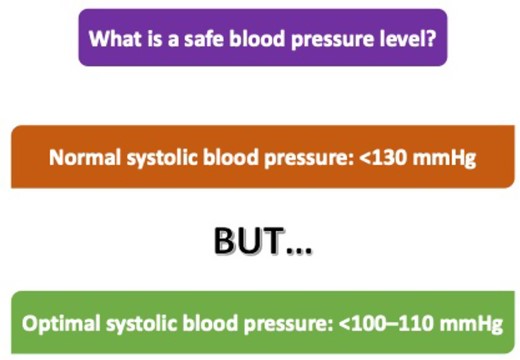
Aggressive Systolic Blood Pressure Control: Enforce a strict resting blood pressure target of 120/80 mmHg across all adult age groups, including elderly cohorts, to optimize all-cause mortality and prevent cerebrovascular and cardiovascular events. (Backed by the SPRINT and STEP RCTs; Source unverified in live search).
-
First-Line Pharmacological Selection for Hypertension: Utilize thiazide-like diuretics (e.g., chlorthalidone), long-acting calcium channel blockers (e.g., amlodipine), or renin-angiotensin-aldosterone system inhibitors (ACE inhibitors/ARBs) as standard first-line therapies. Select ACE inhibitors or ARBs preferentially for patients presenting with comorbid type 2 diabetes or existing chronic kidney disease to leverage their specific renal protective effects. (Backed by the ALLHAT trial; Source unverified in live search).
-
Anatomical Imaging via CTA for Plaque Burden: Use high-resolution Computed Tomography Angiography (CTA) rather than isolated Coronary Artery Calcium (CAC) scans to identify soft, non-calcified, and unstable plaque burdens in individuals with significant polygenic risk factors or a family history of early-onset myocardial infarction. (Source unverified in live search).
-
Primary Reliance on Optimal Medical Therapy (OMT) for Stable Disease: Prioritize intensive medical management (lipid-lowering, blood pressure control, lifestyle modification) over elective percutaneous coronary intervention (PCI) or stenting in patients with stable, asymptomatic coronary artery disease. Mechanical revascularization does not improve hard survival outcomes in this cohort. (Backed by the COURAGE, ISCHEMIA, and ORBITA RCTs; Source unverified in live search).
Experimental Tier
-
Quantification of Metabolic Risk via Fat Mass Ratio (FMR): Utilize dual-energy X-ray absorptiometry (DEXA) or magnetic resonance imaging (MRI) to calculate the Fat Mass Ratio (android-to-gynoid fat mass). Manage patients presenting with high FMR and lower-body fat atrophy aggressively for insulin resistance and visceral adiposity, even in the presence of a normal Body Mass Index (BMI). (Source unverified in live search).
-
Gluteofemoral Adipose Preservation: Avoid cosmetic or elective surgical removal of subcutaneous gluteofemoral fat (e.g., extensive leg liposuction), as human genetics and physiological modeling indicate that reducing lower-body subcutaneous storage capacity forces lipid spillover into ectopic visceral and organ depots. (Source unverified in live search).
-
24-Hour Ambulatory Blood Pressure Monitoring (ABPM) for Sub-Clinical Spikes: Implement a 24-hour wearable ambulatory blood pressure cuff to monitor for nocturnal non-dipping phenotypes or transient stress-induced spikes (such as workplace or psychological stress), optimizing medication timing based on continuous pressure profiles rather than isolated clinical spot checks. (Source unverified in live search).
-
Routine GFR Tracking via Cystatin C: Discard or de-emphasize serum creatinine in athletic or highly muscular populations; utilize Cystatin C serology annually to determine true glomerular filtration rate (eGFR) and monitor early hypertensive renal strain. (Source unverified in live search).
Red Flag Zone
-
Permissive Hypertension in the Elderly: The historical clinical heuristic allowing blood pressures up to 140/90 mmHg or higher in patients over 60 under the assumption of “normal aging” is thoroughly debunked. Failing to treat to a systolic target near 120 mmHg increases long-term all-cause mortality and accelerates microvascular kidney and brain damage. (Debunked by SPRINT/STEP; Source unverified in live search).
-
Relying on a CAC Score of Zero to Rule Out Severe Risk: Treating a Coronary Artery Calcium score of zero as absolute proof of the absence of coronary artery disease is a critical safety failure. Up to 15% of these individuals harbor soft, non-calcified atheromas, and a subset carries highly unstable plaques prone to rupture. (Debunked by CTA validation studies; Source unverified in live search).
-
Elective Stenting/PCI to Prevent Heart Attacks in Stable Asymptomatic Patients: The assumption that inserting a stent into a high-grade stable stenosis (in the absence of acute coronary syndrome or refractory symptoms) prevents future myocardial infarctions or extends lifespan is false. This practice exposes the patient to procedural risks (such as downstream micro-embolization and troponin release) without altering disease biology. (Debunked by COURAGE/ISCHEMIA; Source unverified in live search).
-
Using Non-Invasive ctFFR to Guide Stenting in Asymptomatic Cohorts: Utilizing CT-derived Fractional Flow Reserve algorithms to justify mechanical revascularization in patients without active symptoms is an unjustified clinical escalation. The technology fails to improve hard clinical outcomes (MACE or mortality) over standard medical therapy in stable disease. (Backed by the PRECISE trial abstract; Source unverified in live search).
-
Statin Cessation Due to Rising CAC Scores: Discontinuing or down-titrating statin therapy because a follow-up CAC scan shows an increased calcium score is an inappropriate and dangerous clinical response. Statins drive the calcification and crystallization of soft plaque as a core mechanism of structural stabilization; an increasing score on therapy reflects plaque healing rather than accelerated disease progression. (Source unverified in live search).
-
Use of Transcutaneous Wrist-Based Continuous Blood Pressure Monitors: Relying on current consumer-grade continuous or wrist-based optical/pressure blood pressure tracking devices for clinical decision-making is unsafe due to high rates of hardware/software measurement failure and a lack of analytical validation. (Safety Data Absent / Mechanistically Unreliable; Source unverified in live search).