None that affect the root-cause of BPH - an overgrown prostate.
And if you’re already willing to go on tadalafil, might aswell combine it with finasteride.
4 Likes
Right. 5-ARIs and surgery are the only things that can actually shrink it. OTC remedies like pumpkin seed oil can be a weak 5-ARI and provide some degree of mild symptom relief, but I’ve never seen evidence that they’re potent enough to actually reverse BPH (unfortunately).
3 Likes
I have a short GPT response on the link between BPH and splicing (which would imply acetylation interventions would assist)
Here’s the short version:
-
BPH tissue shows gene-specific alternative splicing differences. Example: the prostate enzyme transglutaminase-4 (TGM4) has multiple splice isoforms; the “L” isoform is enriched in BPH samples compared with prostate cancer, indicating BPH-specific splicing patterns in the prostate. (Nature)
-
Androgen signalling can reprogram splicing in prostate epithelium, which is central to BPH biology. Androgens up-regulate the epithelial splicing regulator ESRP2, which in turn drives epithelial-type splice decisions (and opposes EMT). Epithelial–stromal crosstalk and EMT/mesenchymal features are key in BPH nodular growth, so androgen-controlled splicing regulators provide a mechanistic link. (eLife)
-
Androgen receptor (AR) splice variants are detectable in benign prostate tissue (including BPH). Several AR isoforms (e.g., AR-V1/4/7 mRNAs) have been measured in benign and primary tumor tissues; while best studied in cancer, their presence in benign tissue shows that AR pre-mRNA is alternatively spliced in the BPH context too. (PLOS)
-
Extracellular matrix genes implicated in BPH undergo extensive alternative splicing. Elastic fiber remodelling is characteristic of BPH; the elastin (ELN) gene’s complex alternative splicing has been highlighted as a hurdle and focus when profiling BPH tissue, underscoring splicing’s role in stromal changes. (PubMed)
-
Broader RNA-processing signals show up in BPH cohorts. For instance, a BPH patient series identified a circular RNA (circ-102004) that interacts with U1 snRNP, tying BPH to core splicing/3′-end processing machinery activity (though functional consequences in BPH need more work). (ScienceDirect)
Takeaway: In BPH, splicing is not (so far) a single, defining lesion like in some cancers, but it modulates key pathways—androgen-regulated epithelial programs, ECM remodeling, and gene-specific isoforms (e.g., TGM4)—that contribute to the stromal-epithelial imbalance and nodular growth characteristic of the disease. (eLife)
If you want, I can pull together a compact table of BPH-relevant genes with known splice isoforms and what’s reported for each.
1 Like
You can still take regular Mucinex as it contains Guaifenesin only. Or Afrin also is good for short term use.
2 Likes
By putting words in my mouth and telling me to defend claims I never made you’re not discussing this in good faith. Putting you on permanent ignore.
2 Likes
Since I have been open about my experience with finasteride, I’ll volunteer two observation that might shed light on post finasteride syndrome. Some side effects came on almost immediately (a couple days in), and others took longer to develop (a few weeks in). First came physical effects (e.g. erection related), and later came mental effects (e.g. drive changes).
Observation one: After stopping the drug it took longer for those changes to reverse than it took for them to emerge. Observation two: Like Wile E. Coyote noticing he had run past the edge of the cliff, behavioral changes lagged the above primary effects.
Pairing these observations from just three or so months of use, I can extrapolate to how one might rationally perceive PFS because of a mix of side effect reversal taking longer than onset and behavioral changes persisting after underlying conditions change. Add to that the bidirectional impacts of anxiety and sexual performance, and it is not hard to see how somebody could experience a protracted period of disheartening effects even if their body has in some sense returned to baseline.
And, of course, there might be people who end up with permanently changed baselines.
4 Likes
This is with oral, not topical?
1 Like
Yes. My experience was with oral finasteride. I never tried topical.
1 Like
Glad you are back on track… different results happen…I probably have been using finasteride close to 35 years and no ED… or depression. At almost 68 years.
Fortunately, good benefits like small prostate size, kept my hair, no prostate cancer, reduction of cholesterol in blood… no calcium or plaque observed in coronary scans.
Same could be said for rapamycin… I might be a super responder at 6 mg weekly, it seems, improvements in muscle maintenance and strength, skin quality, blood flow… arteries, test show low inflammation… good DNA methylation, stronger immune function… no allergies, no arthritis, dysphagia gone… plantar fascia gone, memory improved and general euphoria.
Others 1 mg and body goes into major negative health side effects.
Find what works.
5 Likes
Having written all that… Dr. Blagosklonny was always saying go as high on rapamycin dose as possible til you hit side effects.
In 7 months at a higher dose less recovery time… I blew my great inflammation numbers and DNA methylation.
Testing… it took 8 months of 6 mg weekly to get back to bio markers of pre-higher dose numbers. Was afraid I might have lost my good numbers permanently. Luckily they came back.
So I am telling others based on my experience… careful going high on rapamycin. But, others do go high and seem fine. We respond differently some times. For me more rapamycin is poison.
BTW - I never felt that the higher dose was having a negative effect. Silent pathology.
2 Likes
starspawn0, For me tadalafil (5 mg daily) creates a small improvement in urine flow without bad side effects and finasteride (1.25 mg daily) over many months also improves flow, but may have unwanted side effects. Both of these interventions are better than surgery, though, if they work. Finasteride will also likely reduce prostate fluid production quite a bit which may or may not be a problem for you at the young age of 53.
2 Likes
It might sound impossible, but if you want to keep your prostate fluid full… a simple supplement… Sunflower Lechithin 2 capsules nightly. Buy it on Amazon. Give it 2 weeks.
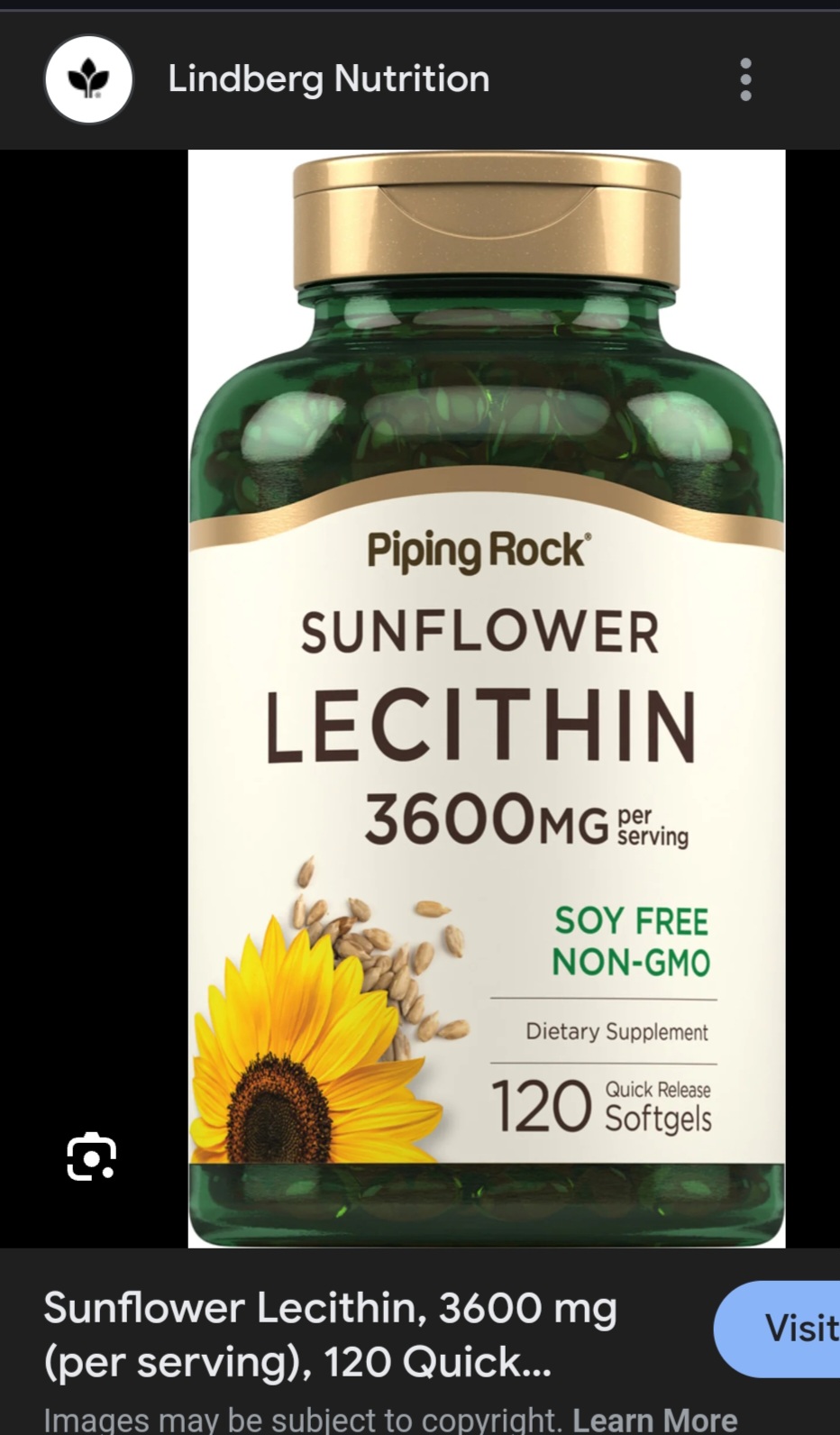
Noticeable difference when I am off it.
3 Likes
Does anyone know of a compounding pharmacy that will make finasteride in tiny amounts (perhaps .0625mg or .125mg)?
Cutting 1mg pills into amounts that small is difficult and grinding them into a powder is a lot of work. I have no hair concerns. I just want to help with prostate size.
Already taking 5mg cialis every other day. I haven’t found a vendor that will sell 2.5mg cialis pills either.
1 Like
Have you tried splitting an 1mg pill into 0.25mg quarters? The lowest dose finasteride works at afaik is 0.05mg per day and 0.2mg has like 80% the effect on serum DHT as 1mg.
4 Likes
I haven’t started yet but may consider that.
According to my recent full bod MRI my prostate is now slightly enlarged but I am otherwise asymptomatic.
The idea for micro-dosing to minimize side effects came in part from here:
Ideally I would like to start much smaller than .25mg. Maybe I will just crush the 1mg pills and encapsulate them like the author of the above article @desmolysium
3 Likes
Alternatively you can take 0.25mg every other day. DHT takes about a week after a single dose of finasteride to go back to baseline so an every other day protocol should sufficiently suppress DHT while minimizing side effects.
6 Likes
Do those supplements actually reduce DHT in the blood. When i was self treating by own BPH I found them to be a waste of money. I wish I had been on Finasteride 30 years ago.
4 Likes
If you take really high doses then you can expect a serum DHT reduction of about 10-20% which translates to like 5% in the prostate and hair follicles - not even remotely enough to do anything.
2 Likes
ULO is very good. They are backed by the person who runs Perfecthairhealth which is a paid service looking at the science behind hair loss.
1 Like
I’d advise simply dosing less frequently. Finasteride can knock down blood levels of DHT for several days and it can knock down DHT in tissues even longer.
How about 0.5mg twice per week if you want to go low dose? Only 15%ish more than 0.125mg every day. With a good pill cutter halving a pill is far less work than quartering it or grinding etc.
2 Likes