@Joseph Thanks. I’m not sure I understand or know what to make of the conclusion. I don’t understand how test strips can be used to measure changes in levels but not levels of nitrite. The test strips only show a color that is based on level of nitrite (very roughly).
The person to ask, point of contact for the paper.
Abrar M. Babateen
Corresponding author. Human Nutrition Research Centre, Institute of Cellular Medicine, Newcastle University, Leech Building, Framlington Place, Newcastle upon Tyne, NE2 4HH, UK.
Did you buy this?
What is your original supplement?
1 Like
I haven’t tried that supplement. I failed to get benefit from
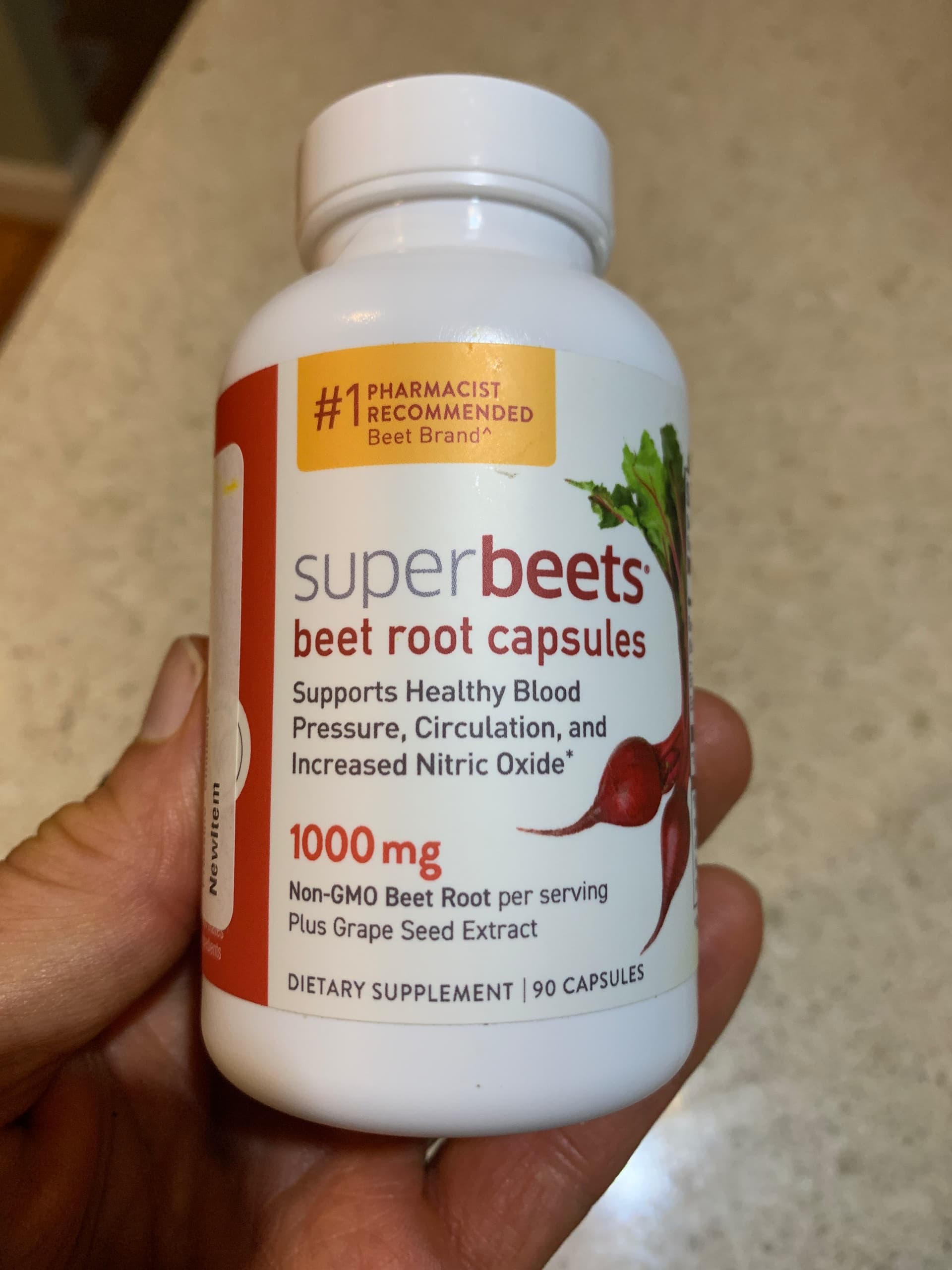
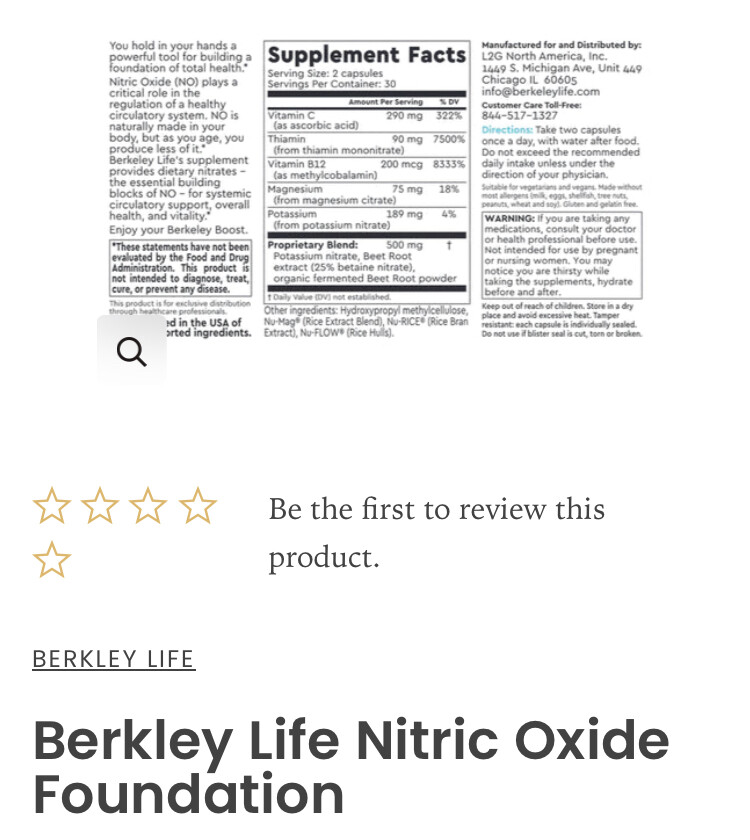
My original supplement that I have reordered is the Berkley Life NO Foundation
2 Likes
Btw I was thinking a while ago why nitroglycerin is not used for nitrate oxide supplementation? Low dose? Just a thought that came to me, but wasn’t really started to dig into it.
It is available as a transdermal patch, cream or sublingual spray or pills. Would be easy to use and relatively reliable source of nitric oxide as if I remember correctly it metabolizes into nitric oxide.
1 Like
I think it is used for that purpose. That is why it works to ease angina symptoms. As for why people don’t use it as a supplement to generally boost NO, I don’t know. Perhaps it is too short lasting.
Transdermal patch gives you a constant 24h supply… from 0,2 mg/h…
2 Likes
Here’s a nice image for understanding the difference between nitrates in plants (good) vs nitrates in processed meats (bad)
https://www.sciencedirect.com/science/article/pii/S216183132301445X
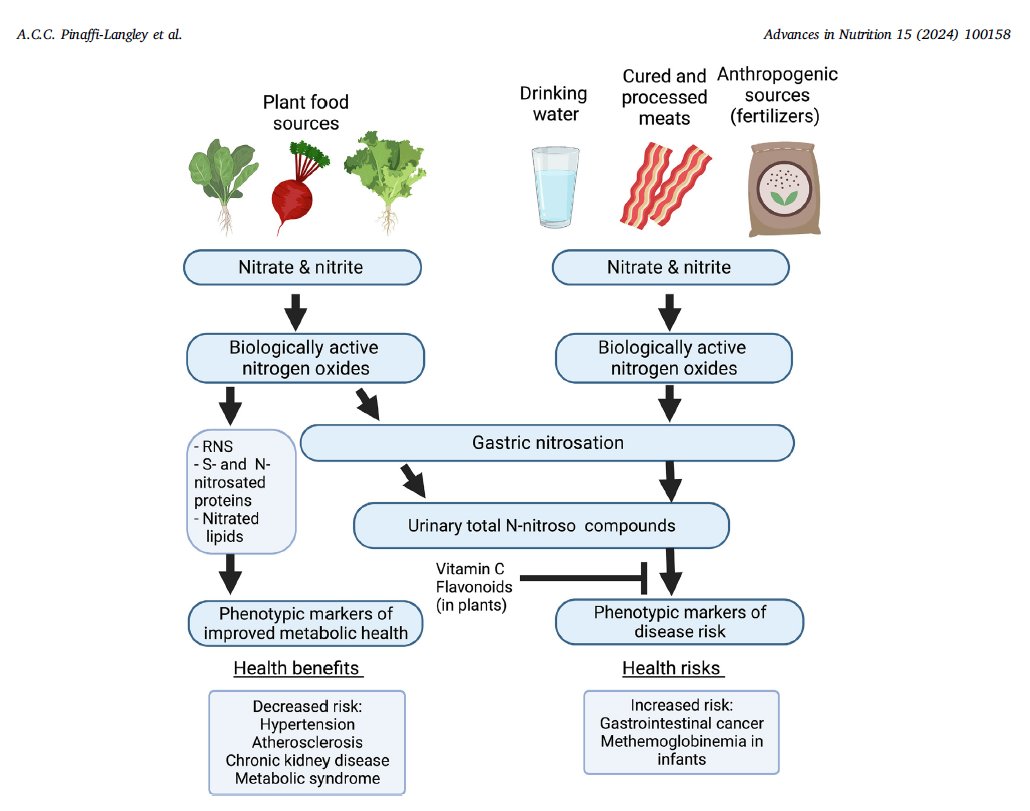
Posted on X by Nanci Guest RD PhD
4 Likes
People who are eating more from the right side of the diagram probably want to invest in this cancer screening tool: Are Cancer Blood Tests Worth It? (Bloomberg) - #5 by Neo
2 Likes
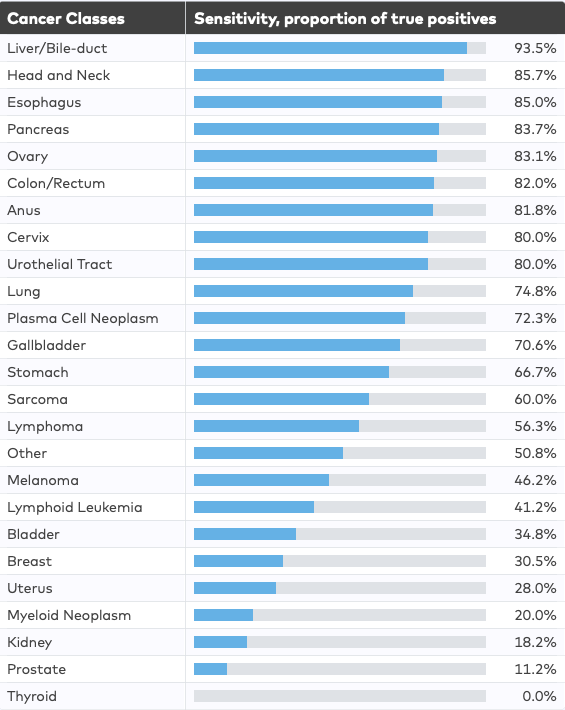
The Galleri test is cheaper and looks for many types of cancers.
Here is its sensitivity for the main ones. Pancreas sensitivity is 83.7%.
3 Likes
@rivasp12 I brush my teeth with salt water, with most of the salt dissolved to avoid abrasions. My dentist gave it his highest recommendation.
Do you buy your strips from Berkeley Life as well?
If and and if you don’t mind sharing, did you purchase them from Amazon or directly from Berkeley Life? The reason I ask is that the latter doesn’t seem to be available to consumers.
1 Like
I have gotten the Berkley strips and the Humann strips. I found them both to be good.
1 Like
A surprising take:
The Nitric Oxide Theory of Aging Revisited
https://sci-hub.se/https://pubmed.ncbi.nlm.nih.gov/16399888/
I wonder if folks here think this has merit.
2 Likes
Here’s the link that works
It seems to say that immune system overactivation causes damage to the body that in part is inflicted by NO. I think NO is not the problem any more than bullets are the reason for gun deaths. But I’m no expert.
I sent the article to Beth Shirley (NO expert) for comment.
3 Likes
Would eating raw or cooked beets be better from a perspective of increasing nitric oxides in the body?
Claude:
Raw wins, but the margin is method-dependent, not huge.
Beets don’t contain nitric oxide directly — they contain nitrate, which your body (via oral bacteria, then further conversion) turns into nitrite and then nitric oxide. So what matters is how much nitrate survives to reach your gut/mouth.
Nitrate is water-soluble and heat-sensitive, so cooking reduces it, but how much depends on method:
Boiling is the worst — up to 50% of nitrate can leach into the cooking water (you can recoup this by drinking the broth or using it in soup). Steaming or roasting preserve much more of the original nitrate content than boiling.
So raw beets or fresh-pressed beet juice give you the highest nitrate load, and therefore the most potential for nitric oxide conversion. If you do cook them, steaming or roasting beats boiling.
One practical note: the amount of nitrate needed to reliably boost nitric oxide/blood pressure in studies (roughly 5–7 mmol) is hard to hit from eating whole beets alone — it’s closer to what you’d get from ~500 ml of raw beet juice. So if nitric oxide is your specific goal, raw juice or a concentrated shot is more effective than either raw or cooked whole beets in typical portions.
Sources:
- ConsumerSearch: Beet nitrate and nitric oxide
- Which is Better: Cooked or Raw Beets? - CTS
- HomeNiches: Beets and Nitric Oxide
If you blend the raw beets up in a smoothie, is that helpful for improving the availability of the nitrate and ultimately nitric oxide?
Yes, blending helps, and it’s arguably a better approach than juicing.
Blending mechanically breaks down the plant cell walls, releasing nitrate that’s otherwise compartmentalized inside cells — similar to what juicing does, since nitrate itself isn’t destroyed by blending (no heat involved). One study on beetroot’s plasma bioavailability found blending actually improved absorption of key compounds compared to eating whole beets.
The advantage over juicing: blending keeps the fiber intact, whereas juicing strips it out. That fiber matters for blunting the sugar spike from beets’ natural sugars and for gut health generally — so you get similar or better nitrate release without that tradeoff.
One caveat worth flagging: nitrate itself needs oral bacteria to convert it to nitrite (the step that eventually leads to nitric oxide). Swallowing a smoothie fast or using mouthwash/antibacterial mouthwash right after can blunt this conversion, since it relies on bacteria in your mouth, not your gut. So the blending step helps release nitrate, but the conversion step still depends on that oral bacteria pathway working normally.
Sources:
This is the right way to think about mouthwash. The effect is short term (hours). Time your use of mouthwash (if you want to use it) away from primary nitrate consumption. I use mouthwash in early AM; I eat nitrates or take Berkley nitrate supplement in afternoon and eat nitrates at dinner. My nitrite test strip scores (taken at wake-up) are always at maximum nitrite.
3 Likes