Would eating raw or cooked beets be better from a perspective of increasing nitric oxides in the body?
Claude:
Raw wins, but the margin is method-dependent, not huge.
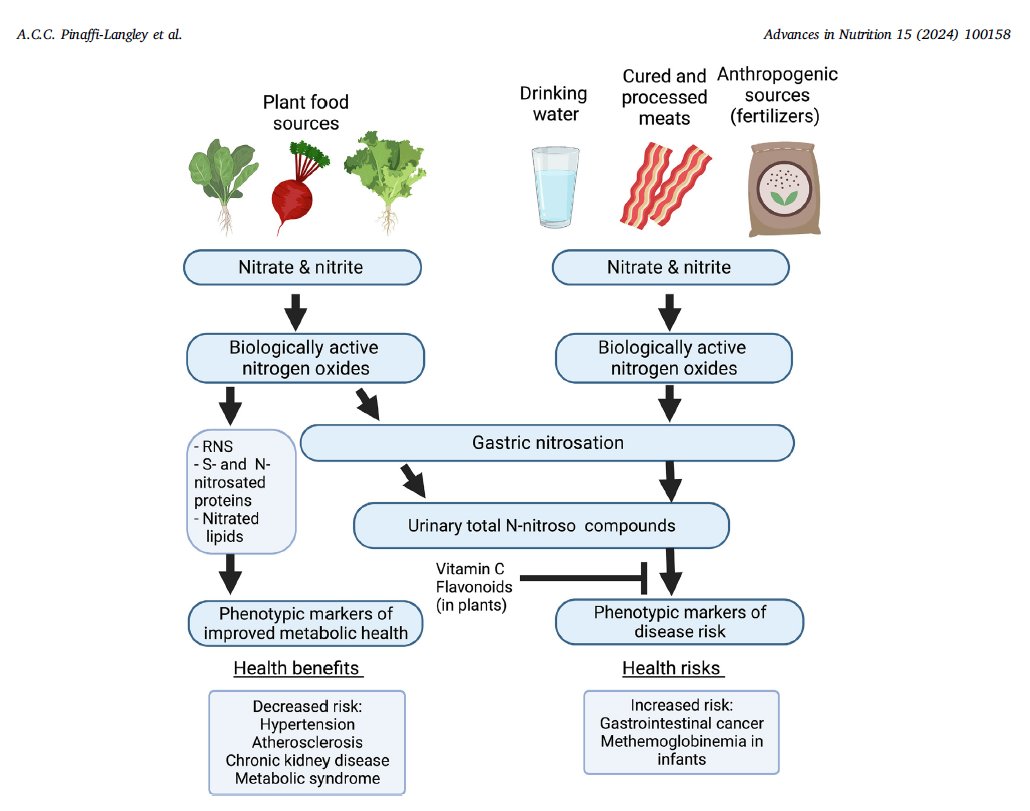
Beets don’t contain nitric oxide directly — they contain nitrate, which your body (via oral bacteria, then further conversion) turns into nitrite and then nitric oxide. So what matters is how much nitrate survives to reach your gut/mouth.
Nitrate is water-soluble and heat-sensitive, so cooking reduces it, but how much depends on method:
Boiling is the worst — up to 50% of nitrate can leach into the cooking water (you can recoup this by drinking the broth or using it in soup). Steaming or roasting preserve much more of the original nitrate content than boiling.
So raw beets or fresh-pressed beet juice give you the highest nitrate load, and therefore the most potential for nitric oxide conversion. If you do cook them, steaming or roasting beats boiling.
One practical note: the amount of nitrate needed to reliably boost nitric oxide/blood pressure in studies (roughly 5–7 mmol) is hard to hit from eating whole beets alone — it’s closer to what you’d get from ~500 ml of raw beet juice. So if nitric oxide is your specific goal, raw juice or a concentrated shot is more effective than either raw or cooked whole beets in typical portions.
Sources:
If you blend the raw beets up in a smoothie, is that helpful for improving the availability of the nitrate and ultimately nitric oxide?
Yes, blending helps, and it’s arguably a better approach than juicing.
Blending mechanically breaks down the plant cell walls, releasing nitrate that’s otherwise compartmentalized inside cells — similar to what juicing does, since nitrate itself isn’t destroyed by blending (no heat involved). One study on beetroot’s plasma bioavailability found blending actually improved absorption of key compounds compared to eating whole beets.
The advantage over juicing: blending keeps the fiber intact, whereas juicing strips it out. That fiber matters for blunting the sugar spike from beets’ natural sugars and for gut health generally — so you get similar or better nitrate release without that tradeoff.
One caveat worth flagging: nitrate itself needs oral bacteria to convert it to nitrite (the step that eventually leads to nitric oxide). Swallowing a smoothie fast or using mouthwash/antibacterial mouthwash right after can blunt this conversion, since it relies on bacteria in your mouth, not your gut. So the blending step helps release nitrate, but the conversion step still depends on that oral bacteria pathway working normally.
Sources: