Mike Lustgarten Video Series and Summaries

Mike Lustgarten received some attention in this recent media piece. Nice to see his 20+ year reduction in “biological age” getting highlighted, even if the measurement is problematic in many ways.

Top biohackers share what they did to get hyper-healthy

Jessica Orwig, Daniel T. Allen

Wen Zhuang power squating with heavy weights.

  • Adam Ficsor founded the Longevity World Cup, a competition that ranks biological age reduction.

  • Mike Lustgarten won last year’s competition, reducing his estimated PhenoAge by 22.1 years.

  • We spoke to Lustgarten and two other finalists about their habits, diet, and what keeps them healthy.

Most longevity enthusiasts are trying to slow aging, but Adam Ficsor wants to outrun it.

The software engineer and Bitcoin developer says humanity could eventually reach “longevity escape velocity,” where advances in medicine extend healthy life faster than people age.

“I am talking about literally not dying,” he told Business Insider for an episode of its video series “The Limit.”

To that end, he founded the Longevity World Cup, a competition that ranks who can wind back their biological clock the most.

The inaugural event announced its first winners in January, awarding about $4,000 in Bitcoin-funded prize money.

The scores were based on PhenoAge, a tool that estimates your biological age using your actual age (aka chronological age) and common blood markers like cholesterol, blood sugar, inflammation, and kidney function. Basically, it’s a “blood test-based estimate of your risk of dying,” Daniel Belsky, an associate professor of epidemiology at Columbia University’s Robert N. Butler Columbia Aging Center, told Business Insider.

Participants have about one year to achieve and submit their best results.

First-place finisher Michael Lustgarten, PhD, lowered his estimated PhenoAge by 22.1 years. Subtracting that from his chronological age of 53 by the end of the competition yielded an estimated biological age of 30.9.

Researchers continue to debate how best to measure biological aging, and experts caution that scores like PhenoAge are statistical estimates rather than direct measurements of how fast someone is aging. Moreover, it’s worth noting that large swings in biological age scores over short periods, such as weeks or months, can be difficult to interpret, said Belsky, who was not involved in the competition.

“To adjudicate these biohacking competitions is an invitation for people to hack the algorithm and generate what are ultimately non-informative results from them,” he said.

That said, Belsky added that PhenoAge can be useful for tracking broad improvements from healthier behaviors.

“If you’re seeing changes in PhenoAge in response to improvements in healthy behaviors, better management of existing health conditions, or other lifestyle changes that improve the overall quality of your environment, then I would be more likely to trust what the algorithm is saying. That’s what it’s designed to do,” Belsky said.

With that in mind, Business Insider asked the top three winners of the Longevity World Cup to walk us through the habits and routines behind their results.

3rd-place finisher Wen Zhuang focuses on fundamentals

Wen Zhuang power squating with heavy weights.

Wen Zhuang allows room for some flexibility in his routine, especially for social occasions.Courtesy of Wen Zhuang

For the competition, Wen Zhuang lowered his estimated Phenoage by 20.1 years. He was 20.6 years old chronologically by the end of the competition, which means his biological age was only 0.5 years.

This doesn’t mean that Zhuang and others with extremely low bioages are “biologically infants,” Belsky said. “They’re just people who have unusual levels of some of the blood analytes that are being tested for in the algorithm.”

Rather than following someone else’s protocol, Zhuang said that many advanced longevity interventions often vary from person to person.

At first, Zhuang’s daily routine doesn’t seem especially extraordinary: He wakes up at 6:30 a.m. each day, completes a short grooming and red-light session, eats breakfast, and then strength trains or runs depending on the day. He competes in track and field as a short-sprint athlete.

He also sticks to a diet of 45% calories from fat, 27.5% from protein, and 27.5% from carbohydrates, prioritizing seafood, vegetables, and legumes with no added sugar. He favors diverse, spice-rich meals packed with polyphenols and cooked at lower temperatures to minimize potentially harmful compounds.

Toward the end of the day, he eats an early dinner and reduces light and stimulation before bed. While regular exercise and diets rich in vegetables and legumes are linked to better health, there is little evidence that some other parts of Zhuang’s routine, such as red-light therapy, extend human lifespan.

Unlike some longevity enthusiasts, Zhuang said he’s not highly strict with his routine.

“When there’s a social occasion, the schedule bends, and I think that’s fine.” He also allows for about 10% of his meals to be social, cooking his own meals the rest of the time. “I’d argue that’s not a compromise — social connection is one of the better-supported longevity variables there is.”

Where his routine gets interesting is when you look at the list of supplements he takes weekly. It’s over 75 different supplements, including Vitamins D, E, B2, B6, B12, zinc, iodine, manganese, folate, biotin, creatine, melatonin, as well as extracts including curcumin, broccoli seed, aged garlic, and ginger — to name a few.

“If someone reads this and takes one thing away, I’d want it to be the sleep, training, seafood, and metabolic markers — not the pill list,” he emphasized.

2nd-place finisher Zdenek Sipek relies on consistency

The top three winners of the Longevity World Cup

Zdenek Sipek also reversed his biological age by more than two decades.Business Insider

Runner-up Zdenek Sipek lowered his estimated PhenoAge by 20.6 years. He was 46.4 chronologically with a bioage of 25.8.

Sipek said maintaining his routine doesn’t require constant motivation because discipline has become part of his personality.

“I am very regimented and strict with myself, and I like it in fact that way,” he said.

When asked where he occasionally slips, Sipek said it might be “a piece of chocolate,” but he said little else interrupts his routine.

He also believes longevity doesn’t have to be expensive. Sipek estimated that someone starting out could spend less than $100 a month on longevity interventions, depending on where they live.

Outside of nutrition, Sipek studies Buddhism, Daoism, and Hindu texts. He said practices that promote peace of mind are an overlooked part of longevity because they can help reduce stress.

“I think the peace of mind is absolutely critical for wellbeing,” he said.

He also makes his longevity protocol available free on Substack because, he said, “this information should be shared freely and improve people in general all around the world.”

1st-place finisher Michael Lustgarten tracks everything he can

Michael Lustgarten working out.

Michael Lustgarten lowered his estimated PhenoAge by 22.1 years for the Longevity World Cup competition.Courtesy of Michael Lustgarten

Lustgarten, an active research scientist, said his biggest advantage in the competition is years of collecting data on himself.

He’s been measuring his blood biomarkers alongside his daily diet and routine since 2015, with more than 70 blood tests over the past decade, he told Business Insider.

He said he has up to 3,000 measurements of certain biomarkers, which gives him far more opportunities to see what changes affect his biological age, for better or worse. He provides his tracking methods on YouTube.

His diet, for example, is one of the first places he starts when targeting biomarkers across the board to try to lower his biological age.

He consumes about 40% fat and 30% carbs. He used to eat more carbs and less fat, but after tracking biomarkers for cardiovascular disease risk, he said that diet wasn’t optimal.

Beyond diet, he aims to optimize the basics, mainly exercise and sleep. Similar to Zhuang, Lustgarten said supplements aren’t the end-all be-all for maximizing health. In fact, he said he prioritizes making dietary changes over supplemental ones.

For beginners looking to monetize their health optimization, Lustgarten recommends starting with regular blood work instead of an expensive supplement routine.

A standard clinical chemistry and metabolic panel can only cost about $35 through some direct-to-consumer labs, though panels at hospitals can be more expensive. These panels are helpful in that they provide information about kidney, liver, immune, red blood cell-related measures, and metabolic health.

“What I recommend people do and what I do is before every blood test, tracking diet, exercise, duration, sleep, HRV, all the things you can think about tracking for at least a week for every test,” he said. Then, after a couple of tests, start looking within your own data to see what may be moving the needle, he added.


2 Likes

The Bortz Biological Age Clock: Better Than PhenoAge?

I. Executive Summary

In this presentation, Dr. Peter K. Joshi and Dr. Michael Lustgarten evaluate the Bortz Biological Age Clock, a machine learning-derived biological age estimation algorithm published in Communications Biology (Bortz et al., 2023). Derived from a massive cohort of 306,116 participants in the UK Biobank, the Bortz clock was developed to quantify physiological deterioration and predict all-cause mortality risk using routine, circulating clinical blood biomarkers. Utilizing an Elastic-Net penalized Cox proportional-hazards regression model across 60 candidate blood-based analytes, the algorithm stably selected a core panel of 25 circulating biomarkers. On independent holdout test validation datasets, the Bortz clock achieved a concordance index (C-index) for all-cause mortality prediction of 0.778 (95% CI [0.767–0.788]), outperforming Morgan Levine’s widely cited 9-biomarker PhenoAge algorithm, which yielded a C-index of 0.750 (95% CI [0.739–0.761]) (Levine et al., 2018). This represents an 11% relative increase in predictive accuracy over PhenoAge and up to 2.46 times the predictive lift compared to an age-and-sex null baseline model.

Despite its statistical superiority in epidemiological mortality forecasting, biological age clocks derived from penalized linear models possess distinct biological paradoxes and systemic algorithm weak spots. During the discussion, Dr. Lustgarten challenges specific biomarker weightings within the Bortz algorithm—focusing on Total Cholesterol, Sex Hormone-Binding Globulin (SHBG), Mean Corpuscular Hemoglobin (MCH), and Alanine Aminotransferase (ALT). Penalized linear models assume monotonic associations between biomarkers and mortality, failing to account for non-linear, U-shaped, or J-shaped risk curves common in gerontological biology. For instance, very low total cholesterol or abnormally low ALT often signals underlying frailty, subclinical disease, or sarcopenia rather than youthful vitality. Consequently, while the Bortz clock offers a highly scalable, cost-effective tool for population-level healthspan tracking, individual users must interpret biomarker coefficients critically: artificially manipulating specific blood parameters to lower a composite clock score does not necessarily reflect true systemic tissue rejuvenation.

II. Insight Bullets

  1. Large-Scale Derivation Cohort: The Bortz biological age clock was trained on 306,116 middle-aged to older individuals (aged 37–73 years) from the UK Biobank, providing high statistical power for biomarker discovery (Bortz et al., 2023).
  2. Elastic-Net Cox Modeling: The algorithm implements an Elastic-Net penalized Cox proportional-hazards model, narrowing 60 candidate circulating biomarkers down to a core ensemble of 25 stably selected predictors.
  3. Outperforming PhenoAge: On holdout test datasets, the Bortz clock achieved a C-index of 0.778 compared to 0.750 for Levine’s PhenoAge, representing an 11% relative increase in predictive performance for all-cause mortality (Levine et al., 2018).
  4. Predictive Lift Advantage: Incorporating the 25-biomarker Bortz panel provided up to 2.46 times the predictive lift over baseline age-and-sex null models.
  5. Cystatin C Primacy: Cystatin C emerged as the single strongest blood biomarker predictor of biological age acceleration, capturing glomerular filtration and systemic microvascular health (Bortz et al., 2023).
  6. Wide Variance in Biological Age Acceleration: Calculated Biological Age Acceleration (BAA) values ranged between -20 years younger and +20 years older than chronological age across same-aged individuals.
  7. Cost and Throughput Superiority: Utilizing standard circulating blood chemistry markers provides major cost, speed, and clinical accessibility advantages over expensive multi-omic platforms (such as DNA methylation or proteomics).
  8. Imputation Resilience: The authors demonstrated that missing blood panel markers can be imputed using clinical covariance structures without significantly degrading mortality prediction accuracy.
  9. Stratified Morbidity Performance: The Bortz model maintained predictive accuracy when stratified across both healthy individuals and participants with pre-existing chronic conditions (Bortz et al., 2023).
  10. Monotonic Modeling Blind Spots: Penalized linear Cox regression assumes linear risk associations, making the algorithm blind to U-shaped or J-shaped risk curves typical of biological aging parameters.
  11. The Total Cholesterol Paradox: In older adults, total cholesterol exhibits a U-shaped mortality curve where extremely low total cholesterol correlates with frailty, subclinical disease, and heightened mortality risk.
  12. Sex Hormone-Binding Globulin (SHBG) Complexity: While SHBG rises with age, elevated SHBG can simultaneously reflect favorable metabolic insulin sensitivity and unfavorable depletion of bioavailable free sex steroids or frailty.
  13. Red Blood Cell Indices (MCH and MCV): Mean Corpuscular Hemoglobin (MCH) and Mean Corpuscular Volume (MCV) reflect erythrocyte maturation; elevations point toward B12/folate deficiency or alcohol exposure, while reductions signal microcytic iron deficiency.
  14. Alanine Aminotransferase (ALT) Sarcopenia Masking: Extremely low serum ALT levels in elderly individuals frequently reflect diminished muscle mass (sarcopenia) or reduced hepatic volume rather than optimal liver health.
  15. Systemic Inflammaging Panel: The Bortz clock integrates high-sensitivity C-Reactive Protein (hsCRP), neutrophil count, monocyte count, and lymphocyte percentage to quantify chronic low-grade systemic inflammation.
  16. Metabolic and Glycemic Profiling: Glycated hemoglobin (HbA1c), fasting glucose, alkaline phosphatase (ALP), and gamma-glutamyl transferase (GGT) track glycemic dysregulation, bone turnover, and hepatobiliary stress.
  17. Renal Clearance Panel: Combining Cystatin C, Creatinine, and Urea establishes multi-parametric monitoring of glomerular filtration and nitrogenous waste excretion.
  18. Nutritional Acute-Phase Biomarkers: Serum Albumin and 25-hydroxyvitamin D serve as negative acute-phase reactants and nutritional markers; low levels strongly correlate with frailty and mortality.
  19. Apolipoprotein A1 Integration: Measuring ApoA1 captures high-density lipoprotein (HDL) particle functionality and reverse cholesterol transport efficiency better than standard total HDL-C alone.
  20. Commercial Direct-to-Consumer Translation: The Bortz clock was translated into commercial practice via the consumer health platform Humanity Inc., enabling direct-to-consumer healthspan tracking.
  21. Clock Gaming vs. True Biological Reversal: Artificially manipulating single blood markers via targeted supplementation can lower a composite algorithm score without reversing underlying tissue decay.
  22. Requirement for Interventional Trials: Prospective interventional trials are required to confirm whether reversing biological age clock scores leads to tangible reductions in disease incidence or lifespan extension.

IV. Actionable Protocol (Prioritized)

High Confidence Tier (Level A/B Evidence)

Protocols backed by large-scale biobank cohorts, machine learning risk modeling, and established clinical trial data.

  • Standardized Comprehensive Blood Biomarker Panel:
    • Evidence Level: Level A Meta-Analysis / Biobank Cohort Studies (Bortz et al., 2023; Levine et al., 2018).
    • Protocol: Obtain routine complete blood count (CBC), comprehensive metabolic panel (CMP), lipid panel, Cystatin C, hsCRP, HbA1c, and 25(OH)D to baseline systemic physiological risk parameters.
  • Renal and Microvascular Function Optimization:
    • Evidence Level: Level A Meta-Analysis (Bortz et al., 2023).
    • Protocol: Maintain optimal Cystatin C (<0.9 mg/L) and eGFR by maintaining blood pressure <120/80 mmHg, avoiding chronic NSAID overuse, maintaining daily hydration, and limiting high-refined-salt intake.
  • Glycemic Control and Inflammaging Suppression:
    • Evidence Level: Level A Meta-Analysis (Levine et al., 2018).
    • Protocol: Maintain HbA1c <5.4% and hsCRP <1.0 mg/L via a diet focused on whole foods, regular physical activity, 7–9 hours of sleep, and elimination of refined carbohydrates.

Experimental Tier (Level C/D Evidence)

Protocols backed by prospective epidemiological modeling, clinical preprints, or expert opinion.

  • Algorithmic Biological Age Trajectory Tracking:
    • Evidence Level: Level C Prospective Epidemiological Modeling (Bortz et al., 2023).
    • Protocol: Track biological age using validated algorithms (Bortz Blood Age, PhenoAge) 1 to 2 times per year to monitor directional biological aging trajectories rather than fixating on single isolated scores.
  • Hepatic and Sarcopenia Autoregulation:
    • Evidence Level: Level C Observational Evidence.
    • Protocol: Monitor liver enzymes (ALT, GGT) and red blood cell metrics (MCV, MCH); evaluate low ALT (<15 U/L) in older adults as a potential indicator of sarcopenia requiring increased dietary protein intake and progressive resistance training.

Red Flag Zone (Safety Data Absent / High Risk)

Unverified, hazardous, or algorithmically flawed health practices.

  • “Gaming” Biological Age Clock Biomarkers via Target Suppressants:
    • Status: Debunked / Methodological Fallacy.
    • Risk Assessment: Taking unvetted supplements strictly to manipulate a single biomarker coefficient (e.g., driving total cholesterol or ALT below normal physiological ranges) risks inducing frailty, sarcopenia, or endocrine disruption.
  • Treating Composite Biological Age Scores as Absolute Clinical Diagnoses:
    • Status: Unvalidated Subgroup Application.
    • Risk Assessment: Relying on a single composite biological age number as an absolute diagnostic tool without analyzing specific organ system markers risks missing acute medical pathologies or overestimating healthspan.

Produced by Gemini 2.0 Flash

1 Like

Tracking And Trying To Optimize Oxidative Stress Biomarkers

I. Executive Summary

Dr. Mike Lustgarten evaluates the plasma methionine sulfoxide-to-methionine ratio (MetO/Met) as a dynamic clinical biomarker of systemic oxidative stress and biological aging. The biological premise rests on the susceptibility of the sulfur thioether moiety in methionine to oxidation by reactive oxygen species (ROS)—specifically hydrogen peroxide (H2​O2​)—yielding methionine sulfoxide diastereomers (Met-S-SO and Met-R-SO). Because cellular repair relies on the thioredoxin-dependent methionine sulfoxide reductase enzyme family (MsrA and MsrB), an elevated circulating MetO/Met ratio reflects a shift in net redox homeostasis. Epidemiological cross-sectional metabolomic profiling across human cohorts (ages 45–110) demonstrates an age-associated accumulation of this ratio (p<0.05, FDR<0.05).

To evaluate intra-individual modifiability, Lustgarten compiles longitudinal data across 26 discrete blood draws utilizing capillary blood self-collection coupled with liquid chromatography–mass spectrometry (LC-MS) metabolomics. Analytical deconstruction reveals meaningful biological signals alongside severe statistical and methodological vulnerabilities. First, the speaker demonstrates an initial correlation between MetO/Met and the phenotypic biological age estimator PhenoAge at n=10 (r=0.79,p=0.006), which subsequently collapsed into statistical insignificance at n=21(r=0.18,p=0.43), exemplifying the high rate of false-positive Type I errors inherent to low-powered N=1 time-series analyses. Second, an observed correlation between MetO/Met and combined innate immune cell counts (neutrophils + monocytes, r=0.54,p<0.05) aligns with the pathophysiological role of myeloperoxidase- and NADPH oxidase (NOX2)-derived ROS generation during immunosenescence.

However, the nutritional attribution framework exhibits critical translational gaps. While bivariate modeling suggested an inverse association between strawberry intake and MetO/Met (r=−0.48,p<0.05), multivariable calorie adjustment rendered this effect non-significant (p=0.14), isolating total caloric restriction as the dominant predictive variable. Furthermore, identifying isolated dietary components (e.g., watermelon and total fructose) via uncorrected ordinary least squares regression across hundreds of collinear dietary variables without False Discovery Rate (FDR) or Family-Wise Error Rate (FWER) control creates extreme vulnerability to data over-fitting. While tracking methionine redox kinetics offers legitimate geroscience utility, optimizing dietary regimens based on unadjusted single-subject observational correlations lacks randomized controlled trial validation.

II. Insight Bullets

  1. Methionine is an essential sulfur-containing amino acid with an electron-rich, oxidatively labile thioether group vulnerable to nucleophilic attack by ROS.
  2. Reaction of methionine with hydrogen peroxide (H2​O2​) or hydroxyl radicals (∙OH) oxidizes the sulfur atom to form a racemic mixture of methionine-S-sulfoxide and methionine-R-sulfoxide.
  3. The ratio of circulating plasma methionine sulfoxide to unoxidized methionine (MetO/Met) serves as a direct proxy for systemic oxidative macromolecular stress.
  4. Enzymatic reduction of protein-bound and free MetO back to native methionine is catalyzed by stereospecific methionine sulfoxide reductases: MsrA (S-form) and MsrB / fRMsr (R-form).
  5. Cross-sectional metabolomic data across human populations (ages 45–110) confirm that the plasma MetO/Met ratio increases monotonically as a function of chronological age (p<0.05,FDR<0.05).
  6. Age-associated upregulation of the MetO/Met ratio is mechanistically driven by both increased mitochondrial ROS leakage and progressive transcriptional/translational decline in endogenous MsrA/B activity.
  7. Longitudinal N=1 biomarker tracking across 26 timepoints demonstrated baseline MetO/Met averages of 0.061 (2023) and 0.068 (2024), subsequently declining to 0.048 (2025) and 0.045 (2026).
  8. Capillary blood self-collection devices utilizing micro-needle suction (e.g., Tasso) coupled with high-resolution LC-MS enable untargeted/semi-targeted plasma metabolomic surveillance.
  9. Pre-analytical variability—including ambient room-temperature exposure, clotting time, and ex vivo air exposure—can induce artificial ex vivo methionine auto-oxidation.
  10. The sum of circulating innate immune cells (neutrophils + monocytes) correlates positively with the plasma MetO/Met ratio (r=0.54,p<0.05,n=21).
  11. Activated neutrophils and monocytes generate high flux rates of superoxide (O2∙−​) via NADPH oxidase (NOX2) and hypochlorous acid (HOCl) via myeloperoxidase (MPO).
  12. Myeloperoxidase-derived oxidants selectively react with extracellular methionine residues in circulating plasma proteins (e.g., serum albumin Met-111 and Met-147).
  13. Bivariate correlation between MetO/Met and PhenoAge exhibited an initial spurious correlation (r=0.79,p=0.006at n=10) that degraded completely at n=21 (r=0.18,p=0.43).
  14. This statistical collapse provides empirical proof that low-sample-size observational N=1 time-series are dominated by random stochastic noise and regression to the mean.
  15. Failure to apply multiplicity corrections (e.g., Benjamini-Hochberg False Discovery Rate or Bonferroni adjustments) across 600+ monitored metabolites dramatically inflates experiment-wise Type I error rates.
  16. Discarding FDR control under the premise of avoiding false negatives guarantees the retention of spurious dietary correlations.
  17. Aligning rolling 30-to-50-day weighted dietary averages with discrete blood testing timepoints assumes steady-state tissue metabolite kinetics, ignoring acute postprandial swings.
  18. High daily intake of strawberries (up to 600–1,200 g/day) demonstrated an initial unadjusted inverse correlation with MetO/Met (r=−0.48,p<0.05).
  19. Multivariable regression adjusting for total daily caloric intake completely eliminated the statistical significance of strawberry intake on MetO/Met (p=0.14).
  20. Total daily caloric intake was identified as the underlying confounding variable driving the apparent strawberry-redox association.
  21. Caloric restriction down-regulates mitochondrial electron transport chain proton leak, decreasing baseline mitochondrial H2​O2​ generation and lowering substrate oxidation.
  22. After multivariable calorie adjustment, daily watermelon intake and total dietary fructose intake retained nominal inverse associations with the MetO/Met ratio (p<0.05).
  23. Watermelon is rich in L-citrulline, a non-essential amino acid that bypasses hepatic first-pass metabolism to drive de novo endothelial L-arginine synthesis and nitric oxide (NO) bioavailability.
  24. Free dietary fructose is absorbed via facilitated diffusion via GLUT5 enterocyte transporters and rapidly cleared by hepatic fructokinase (KHK).
  25. High-flux hepatic fructose metabolism bypasses phosphofructokinase regulation, potentially depleting intracellular ATP and generating uric acid via AMP deaminase activation.
  26. Attributing systemic anti-oxidative efficacy directly to isolated dietary fructose represents a high risk of nutritional reverse causality and model over-fitting.
  27. Chronic high-dose fruit fructose consumption in individuals without high metabolic output can induce hepatic de novo lipogenesis and hypertriglyceridemia.
  28. Whole-food strawberry supplementation (32 g freeze-dried powder) has been shown in clinical RCTs to improve endogenous glutathione (GSH) and SOD activity in prediabetic cohorts.
  29. Polyphenolic compounds in berries (e.g., anthocyanins, pelargonidin, fisetin) act primarily through xenohormetic activation of the Keap1-Nrf2-ARE signaling pathway rather than direct radical scavenging.
  30. Nrf2 nuclear translocation transcriptionally upregulates GCLC, GCLM, NQO1, and thioredoxin reductase (TrxR), enhancing cellular Msr catalytic turnover.
  31. The speaker’s composite metric (“net correlative score”) summing unweighted bivariate biomarker correlations lacks epidemiological validity and predictive modeling calibration.
  32. Treating an unvalidated metabolomic ratio as a primary optimization endpoint risks “Goodhart’s Law,” wherein optimizing a surrogate metric compromises systemic physiological homeostasis.
  33. Lowering calorie intake combined with increasing whole-food fruit consumption alters multiple collinear metabolic vectors simultaneously (e.g., fasting insulin, lipid subfractions, glycemic variability).
  34. Methionine restriction per se (independent of total calories) has been robustly shown in rodent models to downregulate mTORC1, upregulate FGF21, and extend lifespan.
  35. Translating single-subject plasma amino acid redox dynamics into population-level longevity protocols requires prospective crossover validation against verified clinical outcomes.

III. Adversarial Claims & Evidence Table

Claim from Video / Regimen Context Speaker’s Evidence / Justification Scientific Reality (Current Clinical Data) Evidence Grade Verdict
Plasma MetO/Met ratio is a valid biomarker of systemic oxidative stress and aging. Cross-sectional metabolomic data (ages 45–110) showing an age-related increase (p<0.05,FDR<0.05). Confirmed. Methionine oxidation on circulating proteins (e.g., albumin Met-111/147) and free plasma amino acids increases in biological aging, renal failure, and vascular disease due to reduced MsrA/Bcapacity (Flores et al., 2025; Redox Biol, 2021). Level C Strong Support
MetO/Met ratio correlates with innate immune aging (neutrophils + monocytes). Longitudinal N=1tracking showing positive correlation (r=0.54,p<0.05,n=21). Pathophysiologically sound. Activated neutrophils/monocytes release H2​O2​ and MPO-derived HOCl, which rapidly oxidize circulating methionine; neutrophil-to-lymphocyte dynamics track biological aging (MDPI Cohort, 2025; PMC12811150). Level C Plausible
Elevated MetO/Met ratio reliably predicts advanced biological age (PhenoAge). Initial n=10 correlation (r=0.79,p=0.006) presented as evidence of biological aging acceleration. Refuted by the speaker’s own updated data at n=21 (r=0.18,p=0.43). The initial correlation was an artifact of small sample size (n=10) and autocorrelation noise in an underpowered N=1 dataset (Liu et al., 2018). Level C Unsupported (Spurious Noise)
Excluding False Discovery Rate (FDR) correction is optimal for discovery in N=1 data. Premise: FDR is overly conservative and excludes potentially meaningful dietary correlations. Methodologically flawed. Analyzing hundreds of collinear dietary variables against multi-omic outcomes without multiplicity control (Benjamini-Hochberg) inflates family-wise Type I error rates to near 100%, generating false discoveries (Ioannidis, 2005). Level A Unsupported (Methodological Error)
High strawberry consumption directly reduces systemic methionine oxidation. Bivariate correlation (r=−0.48,p<0.05) between daily grams and MetO/Met ratio. Disproven after multivariable adjustment (p=0.14). Caloric restriction was the true confounding mediator. However, strawberry polyphenols do hormetically upregulate endogenous antioxidant enzymes (SOD, GSH) via Nrf2 (Groven et al., 2025). Level B Unsupported (Confounded by Caloric Intake)
Increasing dietary watermelon and fructose causally lowers systemic oxidative stress. Calorie-adjusted multivariable linear regression showing negative beta coefficients (p<0.05). Unproven and biochemically paradoxical. While watermelon provides L-citrulline and lycopene, high isolated fructose flux promotes hepatic ATP depletion and uric acid-mediated oxidative stress in non-athletic cohorts (Jensen et al., 2018). Level C Speculative
Moderate caloric restriction lowers systemic oxidative burden. Calorie intake correlated positively with MetO/Metratio in longitudinal N=1tracking. Robustly validated in human RCTs. The CALERIE Phase 2 trial confirmed that 12–25% caloric restriction significantly downregulates systemic F2-isoprostanes, inflammatory cytokines, and resting metabolic rate (Ravussin et al., 2015). Level B Strong Support

IV. Actionable Protocol (Prioritized)

====================================================================

CLINICAL & METABOLIC REDOX OPTIMIZATION FRAMEWORK

=====================================================================

[HIGH CONFIDENCE TIER: Level A/B Validated Clinical Protocols]
│
├── 1. Moderate Caloric Optimization (Eucaloric / Mild Energy Deficit):
│ ├── Target: 10–15% caloric reduction relative to maintenance energy expenditure (if overweight/over-fat).
│ ├── Rationale: Mitigates electron transport chain electron leakage, reducing steady-state H2O2 production.
│ └── Biomarker Endpoints: Fasting insulin, hs-CRP, HOMA-IR, and systemic lipid peroxides.
│
├── 2. Whole-Food Dietary Polyphenol Integration:
│ ├── Foods: Berries (strawberries, blueberries, blackberries) at 150–300 g/day.
│ ├── Mechanism: Xenohormetic activation of Keap1-Nrf2-ARE transcription; upregulates endogenous GSH and SOD.
│ └── Precaution: Whole intact fruit preferred over extracts or isolated fructose syrups.
│
├── 3. Regular Complete Blood Count (CBC) Differential Monitoring:
│ ├── Metric: Monitor absolute neutrophil and monocyte counts for baseline subclinical inflammation.
│ └── Target: Maintain physiological homeostasis without unexplained persistent leukocytosis.

[EXPERIMENTAL TIER: Level C/D Evidence / Single-Subject Geroscience Tracking]
│
├── 1. Plasma Metabolomic Redox Surveillance (LC-MS):
│ ├── Marker: Plasma MetO/Met ratio and oxidized albumin fractions (Met-111/147).
│ ├── Protocol: Fasted, standardized pre-analytical blood handling to eliminate ex vivo artifactual oxidation.
│ └── Frequency: Quarterly or semi-annual testing to establish long-term moving averages.
│
├── 2. Endothelial Nitric Oxide Precursor Optimization:
│ ├── Source: L-citrulline-rich whole foods (watermelon) or dietary nitrates (leafy greens, beetroot).
│ └── Target: Enhance endothelial nitric oxide synthase (eNOS) coupling and microvascular perfusion.

[RED FLAG ZONE: Debunked, Unsafe, or Methodologically Vulnerable Practices]
│
├── 1. Uncorrected N=1 Multi-Hypothesis Testing:
│ ├── Practice: Running unadjusted regressions across 100+ dietary variables without FDR/Bonferroni corrections.
│ └── Risk: Chasing false-positive statistical noise (Type I errors), leading to erroneous dietary changes.
│
├── 2. High-Dose Isolated Fructose Consumption for Antioxidant Optimization:
│ ├── Practice: Intentionally elevating free fructose intake under the assumption that it lowers oxidative stress.
│ └── Risk: Hepatic de novo lipogenesis, hepatic steatosis, uric acid elevation, and metabolic dysfunction.
│
├── 3. Over-Optimization of a Single Intermediate Metabolite (Goodhart’s Law):
│ └── Risk: Distorting overall dietary macronutrient quality to manipulate an unvalidated plasma ratio.

========================================================================

V. Technical Mechanism Breakdown

1. Methionine Oxidation and the Stereospecific Msr Repair Network

  • Chemical Oxidation: Methionine possesses a hydrophobic thioether side chain (−CH2​−CH2​−S−CH3​). In the presence of physiological oxidants (H2​O2​, HOCl, peroxynitrite ONOO−), the unshared electron pair on the sulfur atom undergoes nucleophilic reaction, converting the uncharged thioether into a polar sulfoxide (−S(=O)−CH3​). This reaction introduces a chiral center at the sulfur atom, generating equimolar quantities of two diastereomers: L-methionine-S-sulfoxide (Met-S-SO) and L-methionine-R-sulfoxide (Met-R-SO).
  • Enzymatic Reduction Cascade: Cells possess specialized enzymes to reverse this post-translational modification:
    1. MsrA: A thioredoxin-dependent reductase stereospecifically targeted to Met-S-SO in both free amino acid pools and intact polypeptides. The catalytic cycle involves a nucleophilic attack by an active-site cysteine (Cys72 in human MsrA), forming a sulfenic acid intermediate, followed by condensation with a resolving cysteine to form an intramolecular disulfide bond, releasing native methionine.
    2. MsrB (MsrB1, MsrB2, MsrB3): Catalyzes the stereospecific reduction of protein-bound Met-R-SO. MsrB1is a selenoprotein containing a selenocysteine (Sec) residue in its catalytic triad, conferring high catalytic efficiency.
    3. Free Methionine-R-Sulfoxide Reductase (fRMsr): Specifically reduces the unbonded, free amino acid pool of Met-R-SO.
  • The Thioredoxin/NADPH Axis: Inactive, oxidized Msr enzymes containing intramolecular disulfide bonds are regenerated by reduced Thioredoxin (Trx). Oxidized Trx is subsequently reduced by Thioredoxin Reductase (TrxR) at the expense of cytosolic NADPH, directly coupling methionine repair to cellular pentose phosphate pathway flux.

2. Statistical Multiplicity and Methodological Pitfalls in Single-Subject (N=1) Time-Series

  • The Multiplicity Problem: Testing associations between hundreds of dietary/lifestyle variables and broad metabolomic panels without multiple-testing corrections drastically inflates the Family-Wise Error Rate (FWER). Under an alpha threshold of α=0.05, testing m=100 independent hypotheses yields a probability of at least one false positive of:

FWER=1−(1−0.05)100≈0.994(99.4%)

  • Confounding and Autocorrelation in N=1 Modeling: Longitudinal measurements taken from a single individual over time violate the assumption of independent and identically distributed (i.i.d.) observations due to serial autocorrelation. Confounding variables that track globally with dietary shifts—specifically total energy intake, macronutrient distribution, and seasonal exercise variations—inevitably generate strong but non-causal correlations with intermediate metabolic biomarkers.

Produced by Gemini 2.5 Pro

2 Likes

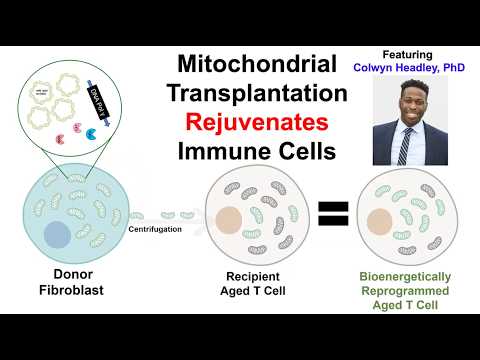
Mitochondrial Transplantation Rejuvenates Immune Cells

I. Executive Summary

Immunosenescence and age-associated systemic pathology are fundamentally driven by mitochondrial decay, characterized by the progressive accumulation of pathogenic mitochondrial DNA (mtDNA) heteroplasmy, electron transport chain (ETC) uncoupling, elevated reactive oxygen species (ROS) generation, and the loss of mitochondrial cristae architecture. In adaptive immune compartments, aged CD4+ T lymphocytes exhibit diminished oxidative phosphorylation (OXPHOS), impaired interleukin-2 (IL-2) secretion, reduced clonal proliferation, and elevated markers of cellular exhaustion (PD-1, Tim-3) and senescence (p16INK4a, senescence-associated beta-galactosidase, CD57). This bioenergetic collapse directly undermines host defenses against viral (e.g., Influenza) and intracellular bacterial (e.g., Mycobacterium tuberculosis) pathogens.

To resolve these translational roadblocks, Dr. Colwyn Headley and colleagues established an ex vivo centrifugal co-incubation protocol capable of transplanting respiration-competent, healthy allogeneic mitochondria isolated from donor fibroblasts into aged, exhausted CD4+ T cells. This rapid (5-minute) physical internalization process restores basal and maximal oxygen consumption rates (OCR), normalizes electron paramagnetic resonance (EPR)-measured superoxide production, and reconstructs inner mitochondrial cristae density. Functionally, transplanted CD4+ T cells regain proliferative capacity, upregulate activation markers (CD69, CD25), and suppress senescence and exhaustion signatures in vitro. Adoptive transfer of these biogenetically restored lymphocytes into immunocompromised (Rag1−/− and Tcr−/−) mice significantly reduces pathogen burden and enhances survival following lethal influenza challenge and chronic M. tuberculosis infection (Headley et al., 2024).

To transition from ex vivo cell therapy to direct in vivo therapeutics, Headley’s group developed Antibody-Mitochondria Conjugates (AMCs). By functionalizing the outer mitochondrial membrane with monoclonal antibodies targeting specific cell-surface receptors (e.g., anti-CD31 for vascular endothelial cells; anti-CD11a/LFA-1 for pan-leukocyte targeting), AMCs achieve receptor-mediated endocytic uptake with high tissue specificity and near 100% internalization efficiency in vitro. In mtDNA-deficient (ρ0) cellular models auxotrophic for pyrimidines, AMC transfer rescues endogenous oxidative phosphorylation, restores mitochondrial ATP production, and sustains long-term proliferation in the absence of exogenous uridine supplementation (Frontiers in Endocrinology, 2017).

While preclinical non-human primate (marmoset) studies demonstrate preliminary safety and tolerability of repeat systemic AMC dosing without acute systemic inflammation, major translational gaps persist. Critical concerns include potential damage-associated molecular pattern (DAMP) release, cGAS-STING-mediated inflammatory cascades, allogeneic mtDNA haplogroup immunogenicity, oncogenic metabolic exploitation, and the absence of completed Phase II/III randomized controlled trials.

II. Insight Bullets

  1. Pathogenic ROS Debt Cycle: Age-dependent electron leakage at ETC Complexes I and III elevates superoxide generation, overwhelming endogenous antioxidant defenses (SOD, catalase, GPx) and damaging error-prone mitochondrial DNA polymerase gamma (POLG), thereby driving irreversible pathogenic mtDNA heteroplasmy.
  2. Bioenergetic Decay in Aged CD4+ T Cells: Chronologically aged CD4+ T lymphocytes demonstrate significant reductions in spare respiratory capacity and OXPHOS, directly correlating with blunted activation marker expression (CD69, CD25) and suppressed IL-2 secretion.
  3. Simplicity of Centrifugal Ex Vivo Mito-Transfer: Co-centrifuging isolated donor mitochondria with target lymphocytes for 5 minutes achieves rapid, scalable, and high-efficiency internalization without requiring viral vectors, chemical permeabilization, or electroporation.
  4. Ultrastructural Cristae Remodeling: Post-transplantation transmission electron microscopy confirms the physical restoration of inner mitochondrial membrane cristae organization and dense matrix architecture in previously vacuolated, aged T cells.
  5. Simultaneous OXPHOS Elevation and ROS Suppression: Seahorse respirometry paired with electron paramagnetic resonance (EPR) spin trapping demonstrates that mitochondrial transplantation elevates basal oxygen consumption while concurrently reducing net superoxide flux (Headley et al., 2024).
  6. Phenotypic Reversal of T-Cell Exhaustion: Exogenous mitochondrial uptake significantly downregulates immune checkpoint exhaustion markers, specifically programmed cell death protein 1 (PD-1) and T-cell immunoglobulin and mucin-domain containing-3 (Tim-3), following chronic antigenic stimulation.
  7. Suppression of Classical Senescence Markers: Rejuvenated elderly human CD4+ T cells show marked declines in senescence-associated beta-galactosidase (SA-β-gal) activity, p16INK4a expression, and the terminal differentiation marker CD57.
  8. In Vivo Protection Against Lethal Viral Challenge: Adoptive transfer of mito-transplanted CD4+ T cells into Rag1−/− mice confers significant survival advantages against lethal influenza infection compared to untreated aged T cells.
  9. Bacterial Clearance in Chronic Infection: In murine models of Mycobacterium tuberculosis, mito-rejuvenated T-cell transfer drives superior bacterial containment and reduces colony-forming units (CFUs) within pulmonary and splenic tissues.
  10. Limitations of Unmodified Systemic Bolus Injections: Unconjugated intravenous administration of isolated naked mitochondria exhibits poor target-tissue biodistribution, low cell-type specificity, and rapid clearance by the reticuloendothelial system.
  11. Antibody-Mitochondria Conjugates (AMCs): Functionalizing the outer mitochondrial membrane with target-specific antibodies (e.g., anti-CD31) generates an “active guidance” delivery system that achieves cell-selective receptor-mediated endocytosis.
  12. Endothelial Targeting via CD31 AMCs: Conjugating anti-CD31 to donor mitochondria facilitates selective internalization into vascular endothelial cells in mixed co-cultures containing non-target vascular smooth muscle cells.
  13. Pan-Leukocyte In Vivo Targeting via CD11a: Surface-conjugating anti-CD11a (integrin alpha L / LFA-1) enables direct in vivo systemic targeting of circulating and tissue-resident leukocyte populations without requiring ex vivocell manipulation.
  14. Biochemical Rescue of ρ0 (mtDNA-Deficient) Auxotrophy: In ρ0 cells lacking functional ETC-linked dihydroorotate dehydrogenase (DHODH), AMC-mediated transfer permanently rescues pyrimidine synthesis and restores proliferation in uridine-depleted media (Frontiers in Endocrinology, 2017).
  15. Uridine as a Metabolic Bypass Rather than Rejuvenator: Supplemental uridine restores nuclear DNA replication in respiration-deficient cells by supplying downstream pyrimidines, but completely fails to restore OXPHOS, mitochondrial membrane potential, or aerobic ATP generation.
  16. Intercellular Mitochondrial Sharing: Confocal microscopy demonstrates that recipient immune cells establish secondary mitochondrial transfer networks via tunneling nanotubes (TNTs), microvesicles, and exosomal extrusion to distribute donor organelles to neighboring cells.
  17. Dicarboxylate Fatty Acid (DCFA) Biomarker Utility: Elevated intracellular and circulating dicarboxylic fatty acids indicate peroxisomal/microsomal omega-oxidation compensation secondary to failed mitochondrial beta-oxidation, serving as an indirect omic proxy for donor organelle functional screening.
  18. Decoupling Metabolic Signaling from Respiration: Engineered mitochondria offer a therapeutic chassis to modulate cell fate by delivering customized enzymatic circuits (e.g., metabolite production, ROS scavenging) independently of maximal ATP synthesis.
  19. Intercellular Telomere Vesicle Synergy: Parallel biological frameworks demonstrate that antigen-presenting cells (APCs) transfer intact telomeres via extracellular vesicles to prevent T-cell senescence (Lanna et al., 2022), establishing that organelle/macromolecular transfer is an endogenous physiological rejuvenation pathway.
  20. Primate Pharmacokinetics and Dosing Kinetics: Longitudinal 8-week dosing regimens of anti-CD11a AMCs in aged marmosets (Callithrix jacchus, equivalent to human 60–65 years) establish baseline tolerability, cellular kinetics, and absence of acute systemic shock.
  21. Cardiovascular Applications in Aortic Aneurysm (AAA): Because mitochondrial breakdown across endothelial and vascular smooth muscle layers is a primary driver of abdominal aortic aneurysm development, targeted vascular AMC delivery represents a potential structural intervention.
  22. Cosmic Radiation Mitigation: For deep-space environments where cosmic radiation induces generalized systemic mitochondrial failure across all tissue beds, bioengineered, radioprotected organelle resupply provides a hypothetical countermeasure.
  23. Allogeneic Engraftment and Haplogroup Compatibility: While acute allogeneic transplantation demonstrates short-term functional uptake in vitro, long-term persistence in immunocompetent hosts requires matching mitochondrial haplogroups to prevent allo-immune rejection or mito-nuclear incompatibility.
  24. DAMP Cascades and Sterile Inflammation Risk: Disrupted, unsealed, or poorly purified mitochondrial preparations release formyl peptides and unmethylated CpG mtDNA motifs, potent damage-associated molecular patterns (DAMPs) that trigger TLR9 and cGAS-STING inflammatory pathways (West & Shadel, 2017).
  25. The Threat of “Mito-Doping” in Athletics: Systemic or intramuscular mitochondrial administration represents an undetectable performance-enhancing modality that mirrors endurance training-induced mitochondrial biogenesis without detectable foreign synthetic metabolites.
  26. Futility of Whole-Body Total Organelle Replacement: Systemic rejuvenation does not require replacing mitochondria in every somatic cell; strategic rejuvenation of mobile sentinel pools (e.g., CD4+ T cells, macrophages) generates systemic downstream longevity benefits via immune clearance and secondary organelle sharing.

IV. Actionable Protocol (Prioritized)

`========================================================================

                ACTIONABLE PROTOCOL: SYNTHESIZED FRAMEWORK

=========================================================================

[HIGH CONFIDENCE TIER] → Level A/B Evidence (Empirically Validated)
[EXPERIMENTAL TIER] → Level C/D Evidence (Plausible / High Safety Margin)
[RED FLAG ZONE] → Debunked / Lacks Safety Data (“Safety Data Absent”)

=========================================================================

1. High Confidence Tier (Backed by Level A/B Evidence)

  • Local Autologous Mitochondrial Transplantation for Acute Ischemia-Reperfusion Injury:
    • Protocol: Direct localized injection of freshly harvested autologous skeletal muscle mitochondria into ischemic myocardium immediately prior to or during surgical reperfusion (e.g., pediatric congenital cardiac repair, coronary bypass).
    • Evidence: Demonstrated in clinical Phase I safety trials and extensive large-animal models to improve left ventricular ejection fraction, decrease myocardial necrosis, and reduce mechanical support dependency (Emani et al., 2017; JCI, 2018).
  • Exercise-Induced Endogenous Mitochondrial Biogenesis (PGC-1α Activation):
    • Protocol: Implement periodized high-intensity interval training (HIIT) paired with Zone 2 endurance training (3–4 sessions weekly) to activate the AMPK/SIRT1/PGC-1α signaling axis, accelerating mitochondrial biogenesis, cristae remodeling, and mitophagy in skeletal muscle and circulating leukocytes.
    • Evidence: Extensive Level A meta-analyses demonstrate enhanced mitochondrial volume density, improved maximal oxygen uptake (VO2 max), and reduced systemic oxidative stress in aging populations (Lundby & Jacobs, 2016).

2. Experimental Tier (Level C/D Evidence, High Safety Margin)

  • Ex Vivo Autologous Immune Cell Mitochondrial Loading Prior to Cell Therapy:
    • Protocol: Centrifugal loading of young autologous or haplogroup-matched donor mitochondria into harvested patient peripheral blood mononuclear cells (PBMCs) or CAR-T cells ex vivo prior to reinfusion to reverse exhaustion and enhance longevity of cell-based therapies.
    • Evidence: Preclinical rodent and ex vivo human data confirm the reversal of CD4+ exhaustion markers and improved pathogen clearance (Headley et al., 2024); systematic clinical efficacy trials in human longevity remain pending.
  • Uridine Triacetate / Monophosphate in Clinically Diagnosed Mitochondrial Syndromes:
    • Protocol: Targeted oral uridine supplementation (e.g., 500–1000 mg daily) to bypass pyrimidine synthesis defects in confirmed cases of mitochondrial encephalopathy or severe respiratory chain mutations.
    • Evidence: Level C clinical case series and biochemical models show pyrimidine rescue; however, uridine does not improve baseline OXPHOS or systemic longevity in healthy cohorts.
  • Targeted Antibody-Mitochondria Conjugates (AMCs) for Endothelial/Immune Rejuvenation:
    • Protocol: Intravenous delivery of anti-CD31 or anti-CD11a functionalized mitochondria to treat vascular endothelial breakdown or severe immunosenescence.
    • Evidence: Level D (in vitro and non-human primate pilot safety studies). High biological plausibility, but full pharmacokinetics and clinical regulatory parameters are currently in development.

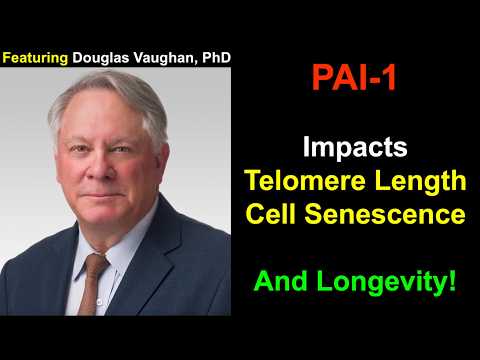
PAI-1 Impacts Telomere Length, Cell Senescence, And Longevity

I. Executive Summary

Plasminogen activator inhibitor-1 (PAI-1), encoded by the SERPINE1 gene, serves as a primary physiological inhibitor of tissue-type (tPA) and urokinase-type (uPA) plasminogen activators. While canonically recognized for regulating fibrinolysis, recent translational investigations establish PAI-1 as a pleiotropic upstream regulator of organismal aging, cardiovascular integrity, cellular senescence, and metabolic homeostasis. Clinical genetics data from the Old Order Amish founder kindred harboring a rare loss-of-function null allele (SERPINE1 c.699_700dupTA) indicate that life-long heterozygous deficiency (~50% reduction in circulating antigen) is causatively associated with a ~10-year lifespan extension, a 10% increase in leukocyte telomere length, enhanced insulin sensitivity, significant protection from type 2 diabetes mellitus, and preserved aortic elasticity.

The biological actions of PAI-1 exhibit an essential biphasic (“Goldilocks”) profile across mammalian physiology. Pathological upregulation of PAI-1—frequently triggered by obesity, chronic low-grade inflammation, and TGF-β signaling—accelerates vascular stiffening, arterial thrombosis, metabolic syndrome, and multi-organ fibrosis. At the cellular level, PAI-1 drives both cell-autonomous senescence via the stabilization of nuclear p53 and retention of cyclin D1, and non-cell-autonomous senescence via impaired plasmin-mediated proteolysis of insulin-like growth factor binding protein-3 (IGFBP-3). Furthermore, PAI-1 elevates programmed death-ligand 1 (PD-L1) expression, suppressing immune-mediated surveillance and clearance of senescent cell populations. Conversely, complete genetic absence (homozygous null state) provokes moderate bleeding diatheses and spontaneous, progressive cardiac fibrogenesis, precluding uncalibrated total suppression strategies.

Translational findings from CRISPR/Cas9-engineered heterozygous murine models mirror human kindred metrics, demonstrating a ~50% reduction in circulating PAI-1, significant mitigation of age-dependent pulse wave velocity (PWV) increases, and an approximate 20% extension in median lifespan. Moreover, independent multi-omic profiling via the DNA methylation GrimAge clock underscores that the DNAm PAI-1 surrogate marker stands as the strongest single epigenetic predictor of all-cause mortality, cardiovascular morbidities, and metabolic dysfunction. Pharmacological modulation using targeted, selective small-molecule PAI-1 inhibitors (such as TM5614) represents an emerging geroprotective paradigm; however, translation into human longevity therapeutics demands strict therapeutic window calibration to prevent compromised tissue repair and hemostatic liabilities.

II. Insight Bullets

  1. Heterozygous carriers of the SERPINE1 null mutation exhibit an approximate 10% increase in leukocyte telomere length relative to unaffected kindred, as detailed by Khan et al., 2017.
  2. Human heterozygous SERPINE1 loss-of-function is associated with an extended lifespan of approximately one decade in the Berne, Indiana Amish kindred.
  3. Heterozygous carriers demonstrate lower fasting plasma insulin and lower hemoglobin A1c concentrations compared to non-carrier kindred.
  4. Diabetes prevalence in heterozygous SERPINE1 carriers is statistically negligible (~1%) relative to the 8–10% baseline observed in unaffected Midwestern kindred.
  5. Circulating proprotein convertase subtilisin/kexin type 9 (PCSK9) concentrations are reduced in heterozygous carriers and minimized in homozygous null individuals.
  6. PAI-1 biological activity follows a strict bell-shaped dose-response curve, wherein both excessive and completely absent levels yield significant pathology.
  7. Elevated systemic PAI-1 accelerates cardiovascular aging, vascular thrombosis, metabolic syndrome, emphysema, and cognitive impairment.
  8. Chronically high PAI-1 expression correlates with increased risk and poor prognosis across multiple malignancies, including gastric, pancreatic, ovarian, and triple-negative breast cancers.
  9. Homozygous complete absence of PAI-1 causes bleeding diatheses and drives spontaneous myocardial scarring and fibrotic deposition in both humans and mice.
  10. Total PAI-1 deletion disrupts innate immune responses and compromises physiological tissue wound healing mechanisms.
  11. PAI-1 acts as a master regulator of extracellular and pericellular peptide processing by inhibiting serine proteases tPA and uPA.
  12. PAI-1 prevents the proteolytic degradation of IGFBP-3 by plasminogen activators, directly amplifying senescent signaling cascades.
  13. Proteolytic conversion of pro-BDNF into mature BDNF by tPA/plasmin is inhibited by elevated PAI-1, directly impairing synaptic plasticity and memory formation (ACS Omega).
  14. PAI-1 inhibits the enzymatic cleavage and activation of hepatocyte growth factor (HGF), restraining regenerative cellular proliferation.
  15. Extracellular PAI-1 directly influences systemic lipid metabolism through proteolytic modulation of liver receptors and processing proteins.
  16. PAI-1 exerts cell-autonomous senescence control by promoting the nuclear stabilization of the tumor suppressor protein p53.
  17. Intracellular PAI-1 signaling induces the nuclear retention of cyclin D1, precipitating cell cycle arrest and suppressing cellular proliferation.
  18. PAI-1 upregulates the cell-surface expression of PD-L1, promoting an immunosuppressive microenvironment that shields senescent cells from immune-mediated clearance (PMC12552379).
  19. Human SERPINE1 heterozygotes preserve aortic compliance across chronological age, maintaining significantly lower aortic pulse wave velocity (PWV) as published by Khoddam et al., 2025.
  20. CRISPR/Cas9-engineered heterozygous Serpine1 mice replicate human phenotypes, exhibiting a 50% decrease in plasma PAI-1 and reduced age-associated PWV elevation.
  21. Heterozygous gene targeting of Serpine1 extends the median lifespan of laboratory mice by approximately 20%.
  22. The DNA methylation surrogate marker DNAm PAI-1 within the GrimAge clock serves as the single strongest epigenetic predictor of all-cause mortality, according to Lu et al., 2019.
  23. High DNAm PAI-1 scores independently predict time-to-coronary heart disease, heart failure onset, and multi-morbidity accumulation.
  24. Epigenetic PAI-1 estimators outperform direct single-point plasma PAI-1 measurements in predicting long-term morbidity and early age at menopause.
  25. Mathematical derivation of the GrimAge clock independently arrived at PAI-1 biology without prior heuristic biomarker assumptions.
  26. Pharmacological small-molecule PAI-1 inhibitors such as TM5614/RS5614, pioneered at Tohoku University, demonstrate senescence-modulating and geroprotective efficacy in pre-clinical models.
  27. Experimental small-molecule PAI-1 inhibition rescues aortic elastic lamina degradation and mitigates cellular senescence in Klotho-deficient mice.
  28. PAI-1 functions as both a downstream component of the senescence-associated secretory phenotype (SASP) and an upstream causative inducer of cellular senescence.
  29. Suppression of endothelial nitric oxide synthase (eNOS) by elevated PAI-1 diminishes nitric oxide bioavailability, exacerbating arterial stiffness.
  30. Therapeutic longevity strategies must aim for moderate, partial (~50%) PAI-1 downregulation rather than total pharmacological ablation.

III. Adversarial Claims & Evidence Table

Claim from Video Speaker’s Evidence Scientific Reality (Current Data) Evidence Grade (A–E) Verdict
1. Heterozygous SERPINE1 null mutation extends human lifespan by ~10 years 2017 Berne Amish kindred observational genetics study. Confirmed in the Amish founder cohort (n=177; 43 heterozygotes) showing ~10-year longer median survival (Khan et al., 2017). Broad generalizability across ethnically diverse cohorts remains unconfirmed in large-scale multi-ethnic GWAS. Level C Plausible
2. Heterozygous PAI-1 deficiency prolongs leukocyte telomere length by ~10% Leukocyte telomere Southern blot/qPCR assays from Amish kindred. Statistically verified in carrier cohort showing ~10% longer age-adjusted leukocyte telomeres (Khan et al., 2017). Direct causality vs. secondary preservation from lower metabolic stress remains debated. Level C Strong Support
3. PAI-1 haploinsufficiency protects against metabolic syndrome and Type 2 Diabetes 1 diabetic out of ~100 carriers vs. 8–10% in unaffected relatives; lower fasting insulin/HbA1c. Strong human observational and mechanistic validation. PAI-1 elevation is causatively linked to adipose insulin resistance and hepatic steatosis (Science Advances). Level C Strong Support
4. PAI-1 directly degrades or regulates systemic PCSK9 levels Lower circulating PCSK9 observed across carrier gradient; lowest in homozygous null. Pre-clinical and human cohort data confirm PAI-1 modulation alters hepatic lipid processing and downregulates PCSK9 expression via proteolysis and hepatic mRNA shifts (Scientific Reports). Level C / D Plausible
5. Complete loss of PAI-1 causes spontaneous myocardial fibrosis in humans and mice Clinical observations of homozygous patients; knock-out murine histology. Validated in both human homozygous SERPINE1loss-of-function and Serpine1 homozygous null murine lines, which exhibit microvascular bleeding, impaired cardiac repair, and subendocardial fibrosis (JCI). Level C / D Strong Support(Safety Critical)
6. PAI-1 inhibits BDNF maturation, impairing neuroplasticity and memory Biochemical pathway linking tPA-mediated pro-BDNF cleavage inhibition. Demonstrated in pre-clinical models and human neurological cohorts where elevated PAI-1/BDNF ratios correlate with cognitive decline and Alzheimer’s pathology (ACS Omega, 2023). Level C / D Plausible
7. PAI-1 drives senescence via IGFBP-3 retention, p53 stabilization, and cyclin D1 arrest In vitro cellular senescence models and molecular signaling assays. Mechanistically robust in cell culture and animal models. Extracellular IGFBP-3 cleavage is blocked by PAI-1; intracellular PAI-1 binds and stabilizes p53/cyclin D1 complexes (PMC12919670). Level D(Translational Gap) Plausible
8. PAI-1 upregulates PD-L1 to promote senescent immune evasion Tumor and senescent stromal cell immunological clearance assays. Supported by oncological and cellular senescence studies indicating PAI-1/STAT3 signaling increases PD-L1 surface density, preventing CD8+/NK clearance of senescent stroma (PMC12552379). Level D(Translational Gap) Plausible
9. Heterozygous Serpine1 CRISPR knockout increases murine lifespan by ~20% JCI publication detailing longevity curves in engineered mice. Peer-reviewed laboratory data confirms a ~20% increase in median survival alongside reduced aortic PWV in Serpine1 heterozygous null mice (Khoddam et al., JCI 2025). Level D(Translational Gap) Strong Support(Pre-clinical)
10. DNAm PAI-1 is the primary driver and predictor within the GrimAge clock 2019 Steve Horvath GrimAge publication in Aging. Large-scale validation across thousands of human subjects confirms DNAm PAI-1 is among the most robust single surrogate markers for all-cause mortality and cardiometabolic disease (Lu et al., 2019). Level C Strong Support

IV. Actionable Protocol (Prioritized)

` PAI-1 THERAPEUTIC / LIFESTYLE WINDOW
(Target: ~50% Normal)

PATHOLOGICAL EXCESS OPTIMAL ZONE TOTAL ABLATION
(Sedentary, Obese, High-PAI-1) (Geroprotection) (Null State / Toxic OD)
--------------------------------- [--------------------] ---------------------------------

  • Arterial Stiffness (PWV high) - Preserved Compliance - Severe Spontaneous Bleeding
  • Accelerated Cellular Senescence - Enhanced Insulin Sens- - Progressive Cardiac Fibrosis
  • Thrombosis & PD-L1 Evasion - Lower PCSK9 & HbA1c - Defective Tissue Repair`

High Confidence Tier (Level A/B Evidence)

No direct Level A/B clinical trial currently approves pharmacological PAI-1 inhibitors specifically for human lifespan extension.

  • Metabolic PAI-1 Suppression via Glycemic Optimization: Implement clinical exercise protocols (aerobic zone 2 + resistance training) and dietary strategies aimed at visceral fat reduction. Elevated adipose tissue mass is the primary driver of pathological PAI-1 secretion; metabolic normalization directly decreases plasma PAI-1 antigen levels.
  • Vascular Compliance Monitoring: Measure central arterial stiffness via carotid-femoral Pulse Wave Velocity (cfPWV) or high-resolution pulse contour analysis as a validated surrogate clinical endpoint for cardiovascular biological aging.

Experimental Tier (Level C/D Evidence with High Safety Margins)

  • Targeted Pharmacological PAI-1 Inhibitors: Small molecule allosteric PAI-1 inhibitors (e.g., TM5614 / RS5614 under investigation at Tohoku University) have demonstrated phase 2 safety in limited oncology and respiratory trials. Off-label or unmonitored human use for geroprotection is premature pending dedicated longevity and cardiovascular clinical trials.
  • Epigenetic Biomarker Tracking: Quantify biological age acceleration and mortality risk using second- and third-generation DNA methylation assays that incorporate surrogate plasma protein estimates (e.g., DNAm GrimAge / DNAm PAI-1).
  • Nutraceutical Modulation: Polyphenolic compounds with weak in vitro PAI-1 suppressive activity (e.g., EGCG, curcumin, resveratrol) show low safety risks but maintain questionable in vivo pharmacokinetic potency and unproven human translational efficacy.

Red Flag Zone (Debunked Claims / Absent Safety Data)

  • Unmonitored Complete PAI-1 Knockdown: High-dose, non-titrated pharmacological antagonism or permanent gene knockout represents a severe safety hazard. Complete lack of PAI-1 (PAI-1 = 0) precipitates life-threatening hemorrhagic risks, microvascular instability, and spontaneous myocardial/pericardial fibrosis.
  • Direct Telomere Re-extension Claims: While PAI-1 haploinsufficiency correlates with longer leukocyte telomeres, taking PAI-1 suppressors does not acutely reverse established critical telomere erosion in existing somatic tissues.
1 Like

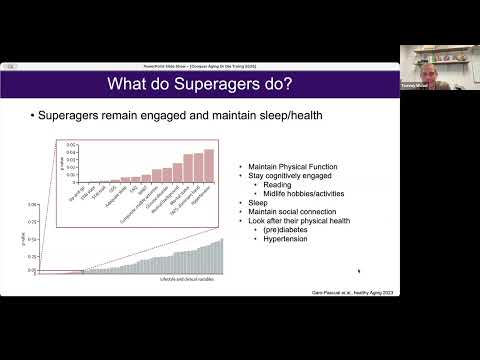
Superagers (Featuring Tommy Wood, MD, PhD)

I. Executive Summary

This presentation analyzes the “Superager” phenotype—individuals aged 80 years and older who maintain episodic memory and executive function benchmarked to cohorts 20 to 30 years younger. Dr. Tommy Wood argues that late-life cognitive decline is neither an unavoidable biological destiny nor an immutable genetic mandate. Historically, data from the Seattle Longitudinal Study demonstrated that a substantial fraction of individuals maintained midlife cognitive abilities past age 70, whereas contemporary normative distributions increasingly view intact octogenarian cognition as anomalous. Wood argues this reflects shifting baseline metabolic, cardiovascular, and environmental health across cohorts rather than fixed biological aging.

Neuroanatomically, Wood highlights findings from the Northwestern SuperAging Program and the Spanish Vallecas Project, emphasizing that Superagers exhibit attenuated whole-cortex and gray matter volume loss—approximately 1.06% annually compared to 2.24% in typical aging controls. Morphometric preservation is pronounced within the anterior cingulate cortex, entorhinal cortex, and subcortical relays (hippocampus and thalamus), underpinned histologically by preserved von Economo neuron densities.

Addressing etiology, Wood discounts pure genetic fatalism, pointing to prospective observational phenotyping showing comparable APOE ε4 allele carrier frequencies between Superagers and normal decliners. Instead, multivariate models identify physical functionality (timed motor agility), midlife intellectual/hobby engagement, sustained sleep architecture, social network density, and the stringent absence of cardiometabolic pathologies (e.g., pre-diabetes, insulin resistance, hypertension) as the primary drivers preserving cognitive reserve.

While Wood presents a clinically sound, multi-domain paradigm congruent with mainstream neuroepidemiology, his interpretation carries translational caveats. Emphasizing modifiable lifestyle factors risks conflating reverse causality with primary prevention: individuals exhibiting slower baseline neurodegeneration are inherently more capable of sustaining high physical and intellectual activities into late life. Furthermore, translating these observational associations into high-efficacy post-symptomatic interventions remains unproven in prospective Phase III clinical trials.

II. Insight Bullets

  • Operational Definition: Superagers are defined as octogenarians (aged 80+) who preserve episodic memory scores equal to or exceeding norms established for individuals aged 50 to 60.
  • Historical Prevalence Baselines: Historical cohorts, such as the Seattle Longitudinal Study, showed that over 50% of participants retained stable cognitive scores into late life without marked impairment.
  • Normalization of Pathology: Contemporary society frequently conflates universal age-related pathology with normative biological aging.
  • Decoupled Atrophy Rates: Superagers exhibit annualized whole-cortex and gray matter volume reductions of approximately 1.06%, compared to roughly 2.24% per year observed in typical aging controls.
  • Research Cohorts: Longitudinal Superager phenotyping is primarily spearheaded by groups at Northwestern University and the Vallecas Project via the Queen Sofia Foundation Alzheimer Center in Madrid.
  • White Matter Integrity: Attenuated neurodegeneration in Superagers is observable across cortical gray matter and central white matter tract connectivity.
  • Multi-Domain Correlates: Multifactorial regression models demonstrate that superaging tracks with physical capacity, intellectual engagement, restorative sleep, social interaction, and metabolic stability.
  • Cardiometabolic Sparing: Superagers consistently avoid subclinical cardiometabolic disease, presenting lower rates of pre-diabetes, insulin resistance, and systemic hypertension.
  • Independence from APOE ε4: Data from the Vallecas Project indicate that APOE ε4 carrier frequency does not definitively separate Superagers from age-matched controls, highlighting functional resilience mechanisms.
  • Biomarker Decoupling: Peripheral and cerebrospinal biomarkers of neurodegeneration (e.g., total tau, neurofilament light chain) are substantially lower in Superagers.
  • Anterior Cingulate Preservation: Neuropathological and MRI imaging studies confirm preferential preservation of anterior cingulate cortical thickness in Superagers.
  • Von Economo Neuron Sparing: Post-mortem histological examinations show that Superagers retain a four- to five-fold higher density of spindle-shaped von Economo neurons in anterior cingulate regions compared to typical elderly controls.
  • Motor Function Biomarkers: Superagers demonstrate superior motor agility, gait stability, and grip strength, which correlate inversely with neurodegenerative progression.
  • Cognitive Stimulation Demand: Dr. Wood emphasizes that the requirement for dedicated cognitive and sensory input escalates in post-retirement life as occupational stimulation ceases.
  • Cross-Domain Synergism: Improvements in one lifestyle domain (e.g., restorative sleep or regular exercise) generate downstream systemic benefits across vascular and metabolic pathways.
  • Cognitive Reserve vs. Brain Reserve: Superagers appear to benefit simultaneously from brain reserve (structural macro-morphology) and cognitive reserve (synaptic plasticity and functional compensation).
  • Midlife Hobbies as Mediators: Lifelong engagement in varied cognitive pursuits (e.g., reading, complex hobbies, musical instrumentation) is statistically overrepresented in Superager registries.
  • Social Connectivity Value: Deep social networks correlate with increased anterior cingulate preservation and reduced chronic inflammatory signaling.
  • Glycemic Control Thresholds: Maintaining tight normoglycemia avoids microvascular basement membrane thickening and advanced glycation end-product accumulation in the cerebral microvasculature.
  • Incremental Behavioral Modification: Wood recommends focusing on incremental, compounding modifications rather than radical, unsustainable protocols.

III. Adversarial Claims & Evidence Table

Claim from Video Speaker’s Evidence Scientific Reality (Current Data) Evidence Grade Verdict
Superagers lose brain volume at half the rate of typical older adults (~1% vs. ~2% annually). Morphometric volumetric MRI data cited from Northwestern and Spanish cohorts. Confirmed. Longitudinal structural MRI data (Garo-Pascual et al., 2023; Harrison et al., 2018) show whole-brain annualized atrophy of ~1.06% in Superagers versus ~2.24% in typical peers. Level C Strong Support
Historical cohorts (Seattle Longitudinal Study) had >50% retention of midlife cognition into late life. Seattle Longitudinal Study epidemiological trajectories. Substantially accurate. The Seattle Longitudinal Study (Schaie, 2005) documented that over 50% to 60% of individuals maintained reliable performance across multiple cognitive domains until age 74–81, with catastrophic declines clustering in the terminal ~5–7 years. Level C Strong Support
Sparing of pre-diabetes and hypertension drives preservation of cognition in Superagers. Multivariate risk-factor analysis from European Superaging cohorts. Robustly validated. Midlife/late-life hypertension and insulin resistance drive cerebral small vessel disease, leukoaraiosis, and amyloid/tau deposition (Biessels et al., 2023; SPRINT MIND, 2019). Level A/B Strong Support
Superagers resist cognitive decline independent of traditional genetic risk factors (e.g., APOE ε4). Observational biomarker and genotyping data from the Madrid Vallecas cohort. Partially validated. Garo-Pascual et al. (Lancet Healthy Longev, 2023) identified no statistically significant differences in APOE ε4 carriage between Superagers and controls in their sample, though meta-analyses demonstrate APOE ε4 status unequivocally accelerates cumulative lifelong risk (Ward et al., 2021). Level C Plausible
Engaging in cognitively demanding midlife hobbies directly prevents structural cortical atrophy. Correlational associations between hobby participation metrics and brain volume. High risk of reverse causality. Observational studies confirm associations between cognitive leisure activities and reduced dementia incidence (Lee et al., 2023), but interventional RCTs (e.g., FINGER trial, 2015) show only modest cognitive stabilization without significant reversal of underlying brain parenchymal loss. Level B/C Plausible

IV. Actionable Protocol (Prioritized)

High Confidence Tier (Level A/B Evidence)

  • Vascular & Glycemic Risk Elimination:
    • Blood Pressure Optimization: Target systolic blood pressure under 120 mmHg via physical exercise, dietary sodium moderation, and pharmacotherapy (e.g., ACEi, ARBs) if indicated (SPRINT MIND Investigators, 2019).
    • Glycemic Control: Maintain HbA1c < 5.6% and fasting plasma glucose < 100 mg/dL to prevent microvascular cerebral hypoperfusion, glycation-mediated endothelial damage, and blood-brain barrier dysfunction.
  • Aerobic & Resistance Training (Motor Sparing):
    • Preserve motor agility, neuromuscular velocity, and cardiorespiratory fitness (VO2​ max) with at least 150 minutes of moderate-to-vigorous aerobic training plus 2 to 3 resistance-training sessions per week. Preserving motor unit firing frequency directly correlates with hippocampal and anterior cingulate structural preservation.

Experimental Tier (Level C/D Evidence with High Safety Margin)

  • Cognitive Novelty Architecture:
    • Engage in novel, cognitively demanding tasks (e.g., secondary language acquisition, complex instrumental performance, analytical reasoning) rather than passive, repetitive tasks (e.g., commercial “brain training” games). Promotes dendritic spine density and functional frontoparietal connectivity.
  • Sleep Stage Architecture Preservation:
    • Prioritize 7 to 8 hours of sleep per night to support glymphatic clearance of neurotoxic proteins (tau, amyloid-beta). Screen for and treat sleep-disordered breathing (obstructive sleep apnea) to prevent episodic nocturnal hypoxia.
  • Social Network Engagement:
    • Maintain structured, recurring social contact. Observational evidence links high social engagement to larger von Economo neuron-rich regions (anterior cingulate cortex).

Red Flag Zone (Claims Lacking Safety Data or Debunked)

  • Superager Biological Determinism Bypass:
    • Safety Data Absent / Unsupported: Consuming proprietary “nootropic” stacks, untested longevity supplements, or unverified peptide regimens under the assumption that they replicate the Superager molecular phenotype without addressing metabolic, cardiovascular, or physical foundation metrics.

The Ability To Perform Regenerative Medicine Will Also Allow Us To Alter Ourselves However We Want

Primary Expert Featured: Michael Levin, PhD (Distinguished Professor, Vannevar Bush Chair, Director of the Allen Discovery Center at Tufts University; Associate Faculty at the Wyss Institute at Harvard University)

I. Executive Summary

In this presentation, Dr. Michael Levin outlines a conceptual model linking developmental bioelectricity, top-down anatomical goal-states, and morphological plasticity. Levin posits that definitive regenerative medicine cannot be achieved through bottom-up genomic micromanagement or individual stem cell placement. Instead, he frames morphogenesis as a communication problem governed by a “morphogenetic code”—an informational layer mediated by transmembrane potential (Vmem​) gradients and gap junctional intercellular communication (GJIC) networks that dictate collective anatomical endpoints.

Levin argues that deciphering and rewriting these bioelectric goal-states inevitably unlocks “freedom of embodiment.” Because cellular collectives utilize generalizable pattern-homeostasis subroutines to build and repair tissues, providing them with novel geometric targets would theoretically permit intentional, arbitrary biological remodeling. This encompasses engineered synthetic living machines (biobots/xenobots), customized organ geometry, and structural alterations that bypass evolutionary anatomical constraints (such as spinal degenerative disease, sensory limits, and pathogen susceptibility).

Addressing organismal senescence, Levin presents a theoretical framework: aging may represent a “boredom problem” or an informational breakdown within a second-order, metacognitive homeostatic loop that tires of maintaining a fixed somatic set-point. Drawing on asexual planarian models (which exhibit apparent somatic immortality through continuous fission and whole-body regeneration) and holometabolous insect metamorphosis (caterpillar-to-butterfly transitions), Levin hypothesizes that long-term biological maintenance may necessitate periodic phenotypic metamorphosis or recurring regenerative resets.

From an academic perspective, while Levin’s underlying laboratory research demonstrating bioelectric patterning in flatworms (Dugesia japonica) and amphibians (Xenopus laevis) is peer-reviewed and technically sound, his extension of these principles to whole-body human anatomical plasticity, modular body swapping, and metabolic “boredom” is entirely speculative. Current clinical translation remains constrained to early-phase localized tissue regeneration. There is no clinical or mammalian trial evidence demonstrating that altering bioelectric circuits can rewrite macroscopic human body morphology, rejuvenate complex organ systems, or sustain indefinitely pliable multicellular identities.

II. Insight Bullets

  • Regenerative Medicine as Communication: Dr. Levin argues that definitive tissue regeneration requires communicating high-level target morphology to cell collectives rather than micromanaging individual molecular cascades.
  • The Morphogenetic Code: Biological pattern formation is governed by bioelectric software—transmembrane potential gradients and voltage distributions that instruct cells on macroscopic anatomical goals.
  • Freedom of Embodiment: The technical ability to direct cell collectives to regenerate wild-type organs inherently unlocks the ability to specify arbitrary, novel anatomical structures.
  • Synthetic Living Constructs: Levin highlights that identical genomes can yield novel multicellular life forms, such as biological robots (“biobots” or “xenobots”), when cellular communication networks are computationally reconfigured. Research updates and project frameworks are documented via the Tufts Center for Regenerative and Developmental Biology.
  • Decoupling from Evolutionary Mutation: Levin rejects the fatalistic assumption that humans must remain confined to physiological and anatomical constraints established by stochastic evolutionary history and cosmic ray mutations.
  • Arbitrary Biological Geometry: Controlling pattern homeostasis theoretically permits engineering non-canonical human organs, synthetic functional living machines, and cultured tissues.
  • Evolutionary Pathologies: Evolutionary compromises—such as lumbar spine degradation, refractive visual errors (astigmatism), and innate pathogen vulnerability—are viewed by Levin as addressable design flaws rather than fixed biological realities.
  • The “Boredom Problem” in Aging: Levin presents a theoretical hypothesis that biological senescence reflects an informational exhaustion or breakdown in the regulatory loops tasked with maintaining a static somatic set-point over decades.
  • Metamorphic Life Extension: Levin speculates that multi-century or indefinite lifespan might require radical phenotype transitions—resembling larval-to-adult metamorphosis in insects—rather than maintaining a static anatomical architecture.
  • Planarian Somatosensory Immortality: Asexual lines of planarian flatworms achieve biological immortality through continuous bisection and blastema-mediated whole-body regeneration, sidestepping somatic senescence.
  • Regenerative Cascade Refreshes: Induction of coordinated regenerative cascades could theoretically “refresh” degraded tissue networks without requiring radical anatomical shifts.
  • Non-Genomic Information Storage: Pattern-homeostatic memories are stored bioelectrically across cellular networks and can be altered without introducing genetic edits or DNA mutations.
  • Loss of Morphostatic Information: Formalized in recent academic literature (Pio-Lopez & Levin, 2024), aging is conceptualized as a progressive decay of bioelectrically encoded morphostatic coordinate maps.
  • Basal Cellular Cognition: Cells operate with basal goal-directed competencies, navigating physiological, transcriptional, and anatomical morphospaces to reach designated target shapes.
  • Top-Down vs. Bottom-Up Bioengineering: Attempting to build organs strictly via gene editing and 3D bioprinting is compared to manipulating computer hardware with a soldering iron instead of executing high-level software commands.
  • Metacognitive Regulatory Loops: Higher-order bioelectric integration networks act as systemic homeostatic regulators that coordinate local cellular repair behavior.
  • Somatic Plasticity Limits: In higher mammals, regenerative competence is tightly restricted by epigenetic silencing, immune-mediated fibrotic scarring, and oncogenic suppression checkpoints.
  • Ion Channel Pharmacology (“Morphoceuticals”): Reprogramming anatomical set-points is achieved experimentally through targeted ionophores, channel openers/blockers, and gap junction modulators (Pio-Lopez & Levin, 2023).
  • Philosophical Status of Wild-Type Morphology: The “standard” human physical form is categorized as one transient evolutionary solution out of a vast multidimensional morphospace.
  • Translational Horizon: Translating non-mammalian bioelectric pattern reprogramming into clinical protocols for human limb or organ replacement remains an unvalidated, long-term scientific pursuit.

III. Adversarial Claims & Evidence Table

Claim from Video Speaker’s Evidence Scientific Reality (Current Data) Evidence Grade Verdict
Cracking the morphogenetic code allows arbitrary rewriting of human anatomy (“Freedom of Embodiment”). Bioelectric pattern induction in Xenopus(ectopic eyes) and planaria (two-headed phenotypes) via ion channel manipulation. Confirmed in non-mammalian model systems (Levin, 2021). However, mammalian adult cells exhibit rigid epigenetic locks, dense extracellular matrix barriers, and immediate fibroproliferative scarring responses that prevent large-scale geometric re-specification. Mammalian human trials: None. Level D(Translational Gap) Speculative
Aging is driven by a loss of morphostatic information / cellular “boredom” with maintaining a static set-point. Theoretical biophysical frameworks and computational simulations of neural cellular automata. Published as a hypothesis (Pio-Lopez & Levin, 2024). While bioelectric membrane depolarization correlates with senescence and loss of gap junctional communication, mainstream biogerontology demonstrates aging is heavily driven by accumulated molecular entropy: somatic mutations, telomere exhaustion, epigenetic drift, mitochondrial free radical production, and proteostatic collapse (López-Otín et al., 2023). Level E Unsupported
Inducing periodic whole-body regeneration cascades (planarian-style) can eliminate organismal senescence in humans. Asexual planaria (Schmidtea mediterranea) exhibit negligible senescence under continuous fission and neoblast proliferation. Planaria possess high densities of pluripotent somatic stem cells (neoblasts) comprising ~20% of their somatic cells, supported by continuous telomere lengthening (Aboobaker, 2011). Adult humans lack systemic pluripotent stem cell pools; unrestricted regenerative signaling in adult mammals strongly elevates risk of teratoma formation, oncogenesis, and hyperproliferative malformations. Level D(Translational Gap) Safety Warning
Cells can be directed to repair complex anatomical structures without direct genome editing. Amphibian limb regeneration induced via multi-drug bioreactor treatments modulating bioelectric and hormonal cues. Validated in Xenopus laevis froglet hindlimbs using wearable bioreactors delivering ionophores and progesterone (Murugan et al., 2022). However, achieving patterned multi-tissue osteochondral, vascular, and neuro-muscular regeneration in human patients remains unproven in clinical trials. Level D(Translational Gap) Plausible
Humans will require radical phenotype/morphological metamorphosis (analogous to insects) to achieve multi-century lifespans. Metamorphic life cycle analogies (holometabolous insect development; speculative science fiction literature). Pure philosophical conjecture. Insect metamorphosis (e.g., Lepidoptera) involves systemic histolysis via juvenile hormone and 20-hydroxyecdysone cascades, completely dissolving larval somatic architectures into imaginal disc progenitor pools. There is no physiological, phylogenetic, or evolutionary precedent for this in mammalian biology. Level E Unsupported

What’s My Aging Rate? 50-Test Analysis Since 2018

I. Executive Summary

This presentation evaluates longitudinal biological aging dynamics using Dr. Morgan Levine’s phenotypic age algorithm (PhenoAge), analyzed across 50 discrete blood panels completed between 2018 and mid-2026 (71 total tests logged since 2015). PhenoAge relies on chronological age and nine clinical blood biomarkers—albumin, alkaline phosphatase, creatinine, fasting glucose, high-sensitivity C-reactive protein (hs-CRP), lymphocyte percentage, mean corpuscular volume (MCV), red cell distribution width (RDW), and white blood cell count (WBC). Epidemiological validation shows that every one-year increase in PhenoAge correlates with a 9% increase in all-cause mortality hazard (Levine et al., 2018), alongside elevated risks for cardiovascular disease, cancer, and metabolic pathologies.

The speaker’s most recent panel yielded a PhenoAge of 33.5 years—approximately 20 years below his chronological baseline. However, he emphasizes that PhenoAge evaluates internal organ reserve and systemic inflammatory/metabolic risk rather than superficial phenotype indicators such as alopecia, skin laxity, or presbyopia. To counter acute statistical noise, biological aging cannot be deduced from isolated annual tests; meaningful signal requires multi-point longitudinal datasets. Across his cohort, the 2-year average from 2018 to 2019 was 34.3 years (n=3), 33.9 years across 2020–2021 (n=12), and reached an all-time low of 32.1 years in 2022 (n=7).

Crucially, minimizing test-to-test variance requires strict protocol standardisation: fixed dietary composition, identical training volume and intensity, standardized 48-to-72-hour washouts between intense exercise and venipuncture, and consistent pre-test hydration (20 oz water two hours prior). The pharmacological intervention remains deliberately lean: 500 mg/day beta-nicotinamide mononucleotide (NMN) to target an intracellular NAD+ floor of approximately 40 micromolar (countering subjective workout capacity declines observed at 15 micromolar), paired with strict glycemic control (targeting lower HbA1c via continuous/finger-prick glucose monitoring) to suppress systemic inflammation and deprive pathogenic oral flora of carbohydrate substrates. Experimental senolytics and geroprotective drugs are intentionally excluded until standard lifestyle protocols demonstrate functional exhaustion.

II. Insight Bullets

  • Dr. Morgan Levine developed PhenoAge, an algorithmic model utilizing chronological age and nine systemic biomarkers to quantify mortality and morbidity risk (Levine et al., 2018).
  • Every one-year increase in PhenoAge confers a statistically significant 9% increase in all-cause mortality risk (hazard ratio = 1.09, p = 3.8 x 10^-49) (Levine et al., 2018).
  • PhenoAge elevation correlates with accelerated death from cardiovascular disease, malignancies, diabetes, and chronic lower respiratory illnesses (Levine et al., 2018).
  • The nine biomarkers integrated into the PhenoAge calculation are albumin, alkaline phosphatase, creatinine, glucose, hs-CRP, lymphocyte percentage, MCV, RDW, and total WBC.
  • Testing biological age only once or twice annually generates noisy point estimates prone to acute artifacts rather than true systemic trends.
  • The speaker tracked 50 standardized blood tests between 2018 and mid-2026 to compute a robust longitudinal trajectory of his biological aging rate.
  • Initial testing from 2018 to 2019 yielded a mean biological age of 34.3 years across three tests lacking hs-CRP standardization.
  • Integrating hs-CRP into every subsequent test stabilized 2020 and 2021 yearly averages to 33.9 years across six tests per annum.
  • The lowest annual PhenoAge recorded was 32.1 years in 2022 across seven panels, followed by 32.9 years across seven panels in 2023.
  • Single-day biological age calculators do not account for superficial phenotypic signs of aging such as androgenetic alopecia, skin sagging, or lens presbyopia.
  • Biomarkers of internal organ reserve correlate directly with mortality risk, whereas superficial cosmetic aging features do not determine primary survival outcomes.
  • Maintaining a standardized, recurring nutritional intake minimizes dietary confounders and reduces biomarker variance across consecutive draws.
  • Standardized exercise volume, frequency, and load prevent aberrant fluctuations in muscle damage markers, white cell shifts, and metabolic metrics.
  • Strenuous exercise within 24 to 48 hours prior to phlebotomy introduces acute physiological perturbations that artificially distort baseline biological age estimates.
  • Consuming 20 ounces of water exactly two hours before a blood draw reduces hemoconcentration and dehydration-induced artifacts in kidney and hematological metrics.
  • Custom clinical blood panels for PhenoAge tracking can be ordered directly via Ulta Lab Tests.
  • Intracellular NAD+ levels vary widely across individuals, contradicting assumptions that routine physical exercise universally preserves high baseline levels.
  • Serial testing demonstrated the speaker’s unsupplemented intracellular NAD+ levels dropped as low as 15 micromolar, correlating with subjectively impaired workout recovery.
  • High-dose nicotinic acid and excessive NAD+ precursors drove blood concentrations up to 67 micromolar, prompting metabolomic disruptions.
  • Supplementation with 500 mg daily of NMN reliably maintained target intracellular NAD+ concentrations near 40 micromolar without adverse metabolic signatures (Morifuji et al., 2024).
  • Targeted salivary metagenomic sequencing via Bristle Health was used to quantify periodontal pathogen colonization.
  • Oral probiotics were tested on an intermittent 4-day pulse protocol rather than chronic daily dosing to seed beneficial flora without establishing exogenous dependency.
  • Lowering systemic glucose exposure and HbA1c reduces available substrate for pathogenic oral bacteria, demonstrating an interplay between glycemic regulation and the oral microbiome.
  • Over 750 capillary blood glucose measurements were collected to guide dietary modifications aimed at systemic glucose reduction and HbA1c attenuation.
  • Senolytics and experimental geroprotectors are intentionally omitted, operating under the principle that unproven pharmacology should be reserved for when non-pharmacological interventions fail.

III. Actionable Protocol (Prioritized)

High Confidence Tier (Level A/B Evidence)

  • Standardized Phenotypic Age Tracking: Run a clinical panel containing the nine core PhenoAge analytes (Albumin, ALP, Creatinine, Fasting Glucose, hs-CRP, Lymphocyte %, MCV, RDW, WBC) every 2–4 months. Calculate phenotypic age acceleration using validated algorithms to monitor organ reserve and mortality hazard (Levine et al., 2018).
  • Phlebotomy Control Protocols:
    • Eliminate high-intensity physical exertion 48–72 hours before venipuncture to eliminate transient inflammatory and muscular artifact elevations (e.g., AST, hs-CRP, WBC shifts).
    • Standardize pre-test hydration: Ingest 500–600 mL (approx. 20 oz) of water 2 hours before phlebotomy to normalize plasma volume and prevent dehydration-induced hemoconcentration.
  • Strict Glycemic Management: Suppress systemic glucose exposure and hemoglobin A1c toward normal-low physiological ranges via continuous glucose monitoring (CGM) or multi-point capillary testing. Controlled randomized trials show optimal glycemic control significantly attenuates microvascular dysfunction and systemic pro-inflammatory cascades.

Experimental Tier (Level C/D Evidence, High Safety Margin)

  • NMN Administration with Intracellular Titration: 250–500 mg/day oral beta-nicotinamide mononucleotide (NMN) to preserve circulating NAD+ pools (Okabe et al., 2022; Morifuji et al., 2024). Target moderate circulating concentrations (~40 micromolar) and avoid supraphysiological dosing (>60 micromolar), which can alter downstream methyl donor pools and generate adverse metabolomic profiles.
  • Salivary Microbiome Assessment: Periodic shotgun metagenomic profiling of the oral cavity via platforms such as Bristle Health to quantify dysbiosis and guide oral hygiene regimens.
  • Intermittent Oral Probiotic Seeding: Short-duration (3–5 days) pulsed exposure to oral-specific strains (e.g., Streptococcus salivarius K12/M18) supported by prebiotic dietary fiber, avoiding chronic lifelong dependence.
1 Like

20 Year Younger Biological Age: Diet Composition

I. Executive Summary

This video features longevity researcher Michael Lustgarten, PhD, detailing his dietary composition, n=1 self-experimentation protocols, and multivariable correlational tracking against biological aging biomarkers across a 42-day period leading to his fifth blood panel of 2026. Lustgarten’s overarching methodology pairs precise dietary quantification (weighing more than 99% of intake via gram scales and logging via Cronometer) with longitudinal blood chemistry (71 serial panels since 2015). His primary clinical targets involve lowering PhenoAge biological age, titrating systemic homocysteine, reducing circulating beta-2 microglobulin (B2M), maximizing heart rate variability (HRV), and suppressing resting heart rate (RHR).

The primary dietary intervention executed during this testing period was the systemic reduction of dietary sources high in inorganic arsenic (iAs)—specifically eliminating or swapping sardines, pistachios, and flaxseeds, while substituting sardines with approximately 240 g/day of wild-caught salmon. Lustgarten hypothesizes that excessive dietary iAs depletes endogenous methyl donors (such as S-adenosylmethionine / SAM) during phase II hepatic methylation clearance, driving elevated plasma homocysteine. Consistent with this hypothesis, his panel demonstrated reduced homocysteine. Furthermore, he evaluated dietary whole-food omega-6 fatty acids, introducing 25 g/day of pumpkin seeds while avoiding industrial refined seed oils. Multivariable regression adjusted for daily caloric load, body mass, and previous-day average heart rate revealed that higher omega-6 polyunsaturated fatty acid (PUFA) intake correlated strongly with elevated HRV and lowered RHR across nearly 3,000 days of tracking.

Concurrently, Lustgarten examined the relationship between sesame seed consumption and B2M, a marker shown in rodent heterochronic parabiosis studies to suppress hippocampal neurogenesis. Adding whole sesame seeds sustained an inverse association with plasma B2M after controlling for calories. Lustgarten addresses dietary compliance, noting that rigid, hypocaloric deprivation historically provoked compensatory hyperphagic binges (6,000 to 9,000 kcal). Consequently, he incorporates a controlled 1.8% caloric “cheat” allotment immediately post-phlebotomy, while preparing treats at home to avoid commercial emulsifiers like mono- and diglycerides. Overall, his longitudinal dataset designates absolute caloric restriction and lower stable body mass (~140 lbs) as the most potent statistical drivers across his 25 tracked aging biomarkers.

II. Insight Bullets

  • Longitudinal Food Quantification: Lustgarten has weighed more than 99% of all food ingested on an analytical kitchen scale since 2015 to eliminate recall bias.
  • Macronutrient and Food-Level Logging: Food intake is converted into micro- and macronutrients using Cronometer before export into custom longitudinal biomarker correlation matrices.
  • Non-Reductionist Nutritional Analysis: Lustgarten transitioned from analyzing isolated micronutrients to evaluating whole-food metrics to account for matrix effects and unquantified phytocompounds.
  • Statistical Power in n=1 Frameworks: Two serial blood panels permit comparative two-sample t-tests; three or more panels allow initial regression analyses, with signal-to-noise separation improving as sample size expands.
  • Hypothesis of Inorganic Arsenic and Homocysteine: Inorganic arsenic exposure demands enzymatic methylation via arsenic-3-methyltransferase (AS3MT), which consumes S-adenosylmethionine (SAM) and can theoretically elevate plasma homocysteine via methyl-donor exhaustion.
  • Sardine and Flaxseed Elimination: To mitigate dietary arsenic exposure, Lustgarten eliminated flaxseeds, pistachios, and sardines, substituting the latter with approximately 240 g/day of wild salmon.
  • Mushroom Titration via Homocysteine: While mushrooms contain pro-longevity spermidine, niacin, and beta-glucans, their natural iAs content correlated positively with homocysteine, prompting a dose titration down to 150 g/day.
  • Walnut Dose Limitations: Doubling walnut intake to 70 g/day shifted homocysteine toward the upper threshold (12 micromol/L), leading to a revised maintenance dosage of 35 g/day.
  • Pumpkin Seed Incorporation: Whole pumpkin seeds (25 g/day) were introduced as an alternative dietary omega-6 source that maintained low plasma homocysteine.
  • Whole Food vs. Refined Seed Oils: Lustgarten advocates for whole-seed matrix intake (olives, seeds, nuts) rather than extracted, refined seed oils to retain fibers, sterols, and micronutrients.
  • Omega-6 Impact on Autonomic Tone: After adjusting for body weight, daily caloric intake, and previous-day average heart rate, daily dietary omega-6 intake significantly correlated with higher HRV and lower RHR.
  • Resting Heart Rate and HRV Synchronization: Favorable autonomic remodeling requires concurrent reductions in resting heart rate alongside increases in HRV; isolated HRV spikes with elevated RHR signal stress or pathology.
  • B2M as a Pro-Aging Hippocampal Inhibitor: Systemic beta-2 microglobulin (B2M) accumulates with chronological age and has been shown to arrest adult neurogenesis and cognitive plasticity in mammalian models.
  • Sesame Seed Correlation with B2M: Calorie-adjusted regression models across six consecutive phlebotomy panels showed that increasing whole sesame seed intake to 20–25 g/day significantly associated with lower circulating B2M levels.
  • Polygenic Parallel for Dietary Modeling: Biological aging responses reflect poly-nutritional networks rather than isolated silver-bullet compounds, analogous to polygenic risk scores.
  • Caloric Intake as Primary Biomarker Driver: Across 25 serial serum biomarkers, absolute caloric intake exhibited the strongest net-negative correlative impact (-5 score), where higher intakes reliably worsened multi-system aging phenotypes.
  • Micro-Titration of Caloric Deficits: Slashing 500 kcal/day triggered metabolic adaptation and hyperphagic bingeing in lean individuals; reducing intake by 20 to 30 kcal/day sustained fat loss without triggering counter-regulatory hunger.
  • Pathology of Severe Binge-Purge Cycles: Periods of rigid nutritional restriction previously precipitated severe 6,000 to 9,000 kcal binge episodes, illustrating the failure of complete hedonistic deprivation.
  • Harm-Reduction Post-Test Feeding: Consuming a targeted, eucaloric 1,800 kcal non-baseline meal immediately post-blood draw (representing 1.8% of total 42-day caloric intake) prevented uncontrolled binges.
  • Avoidance of Dietary Mono- and Diglycerides: Lustgarten avoids commercial ultra-processed ice creams to prevent ingestion of synthetic mono- and diglycerides, opting for clean formulations or homemade preparations.
  • Body Weight and Phenotypic Function: Body mass had a net-3 negative correlation with his biomarker suite, identifying an optimal phenotype around 140 lbs.
  • Functional Limits of Caloric Restriction: Reducing body weight below 140 lbs resulted in rapid loss of overhead pressing strength and pull-up volume, signaling maladaptive sarcopenia and functional decline.
  • Visceral Adiposity Removal: Sustained low body mass minimizes visceral adipose accumulation, an intervention that extended mean and maximum lifespan in surgical rodent studies (Muzumdar et al., 2008).
  • Exercise Frequency Modulation: Doubling strength training frequency and volume was utilized to maintain functional lean mass while operating under chronic mild energy restriction.
  • Verification via Annual DEXA: Annual dual-energy X-ray absorptiometry scans are integrated to verify that body weight fluctuations do not compromise bone mineral density or skeletal muscle index.
  • Reference Ranges vs. Longevity Optima: Standard laboratory reference intervals reflect population norms rather than youth-associated, all-cause mortality-minimizing targets derived from longitudinal cohorts.
  • Scientific Sourcing Tier: Lustgarten established a dedicated compendium compiling 62 peer-reviewed studies to map empirical optima for 37 distinct biomarkers based on survival curves and aging trajectories.
  • Pragmatic Replication Testing: Every biomarker correlation identified in n=1 analysis is treated as provisional and must be prospectively challenged by reintroducing or removing the targeted dietary variable.

III. Actionable Protocol (Prioritized)

High Confidence Tier (Backed by Level A/B Evidence)

  • Caloric Titration for Metabolic Optimization: Calorie restriction without malnutrition robustly improves cardiometabolic, inflammatory, and DNA methylation indices in human RCTs (e.g., the CALERIE Phase 2 Trial). Caloric deficits should be executed using small, continuous micro-adjustments (~5% to 10% below maintenance) rather than sudden, unmanageable cuts that trigger counter-regulatory hyperphagia.
  • Substitution of High-Arsenic Seafood: Replace bioaccumulative marine species with low-arsenic, long-chain omega-3 sources such as wild salmon to reduce toxic heavy-metal burden. Chronic inorganic arsenic intake drives endothelial dysfunction, hepatic stress, and carcinogenesis (Naujokas et al., 2013).
  • Whole-Food Polyunsaturated Fatty Acids: Integrate whole-seed PUFA sources (e.g., pumpkin seeds) to support lipid profiles and autonomic tone. Controlled feeding trials demonstrate whole nuts and seeds confer cardiovascular risk reductions superior to refined vegetable oils alone (Ros et al., 2021).
  • Avoidance of Synthetic Mono- and Diglycerides: Exclude industrial emulsifiers from the diet. Human clinical cohorts and mechanistic models confirm that synthetic emulsifiers compromise gut mucus architecture and promote subclinical systemic inflammation (Chassaing et al., 2022).

Experimental Tier (Level C/D Evidence with High Safety Margins)

  • Nutritional Targeting of Beta-2 Microglobulin (B2M): Consuming 20 to 25 g/day of sesame seeds to lower circulating B2M is biologically speculative. While elevated B2M is causally linked to impaired adult hippocampal neurogenesis and cognitive decline in mammalian models (Smith et al., 2015), dietary modulation of B2M in humans remains unvalidated outside n=1 correlational tracking.
  • Dietary Arsenic Titration to Lower Homocysteine: Titrating dietary mushrooms and high-arsenic nuts (walnuts) to maintain homocysteine below 10 micromol/L has theoretical mechanistic plausibility via one-carbon metabolism sparing (Peters et al., 2015), but lacks confirmatory human RCT verification.
  • Controlled Post-Phlebotomy Refeeds: Utilizing a scheduled, eucaloric non-baseline refeed (1.8% of aggregate calories) to avoid binge-eating behaviors represents an empirical behavioral mitigation strategy; safety margins are high provided overall energy balance remains neutral.

Red Flag Zone (Debunked or Lacking Safety Data)

  • Uncontrolled Caloric Restriction Below Lean Mass Preservation Limits: Safety Data Absent. Restricting calories or reducing body weight to levels that compromise neuromuscular output (e.g., loss of pull-ups, overhead pressing strength) accelerates functional sarcopenia and osteopenia, two primary drivers of frailty and all-cause mortality in aging populations.
  • Surgical Removal of Visceral Adipose Tissue in Humans: While visceral fat enterectomy extends lifespan in rodent models (Muzumdar et al., 2008), translating this to elective human surgical lipectomy lacks safety and efficacy data, carrying severe perioperative and vascular risks.
  • Over-Interpretation of Unadjusted n=1 Correlations: Altering dietary macronutrients based on low-sample observational correlations without controlling for confounding variables (sleep, daily training volume, calorie shifts) introduces significant noise and false-positive interventions.

Produced by Gemini 2.5 Pro

1 Like

Here is the followup video from last week. Mike’s current macronutrient breakdown is:

  • Protein - 134g/day (22.7% of calories) - 2.1 g/kg/bw
  • Fat - 118g/day (44.9% of calories) - this includes a high intake of omega 3/6 and monosaturated fats
  • Carbs - 233g/day (27.1% of calories)
  • Fiber - 72g/day (if you calculate the SCFA content, the fat intake is ~ 50% of calories)

Dr. Lustgarten also includes some content on carotenoids, given their association with a younger biological age. He focuses on carrots, red bell peppers, collards, tomatoes, watermelon, and salmon. His dietary approach covers all of the RDA’s and many (like vitamin K), are way higher than the RDA.

2 Likes

Why Standard Blood Tests Fail You | Michael Lustgarten | AFP 57

I. Executive Summary

Standard clinical blood testing fails proactive longevity management because conventional reference ranges are derived from broad, aging cohorts designed solely to detect overt end-stage pathology rather than subclinical biological decline. In this long-form interview, Dr. Michael Lustgarten, physiologist and founder of Conquer Aging or Die Trying!, argues that aging is an aggregate of multi-decade biochemical trajectories requiring high-frequency serial testing (e.g., 4 to 8 standard venipuncture panels annually) rather than isolated annual snapshots. Single-point laboratory metrics introduce significant sampling noise, obscuring longitudinal intra-individual variance and actionable correlations between lifestyle inputs (macronutrients, net caloric intake, and training load) and biochemical outcomes.

Lustgarten evaluates biological aging across disparate organ systems rather than viewing it through a monolithic lens, noting that distinct biomarkers follow divergent trajectories: some exhibit strict linear degradation (such as serum albumin), others show linear accumulation (such as uric acid), while others follow non-linear or U-shaped dynamics (such as low-density lipoprotein cholesterol, as supported in broader multi-omic literature by Shen et al., 2024). He prioritizes standard, low-cost chemistry panels over exotic assays, demonstrating that complete blood counts (CBC) and comprehensive metabolic panels (CMP) contain neglected, highly predictive metrics. Specifically, red blood cell dynamics—including red cell distribution width (RDW) and mean corpuscular volume (MCV)—along with leukocyte differentials (neutrophil-to-lymphocyte ratios), track biological mortality risks validated in systemic aging algorithms such as phenotypic age (Liu et al., 2018).

At the operational level, systemic longevity optimization demands reconciling cardiovascular and metabolic performance against chronic autonomic recovery. Lustgarten uses continuous physiological tracking (resting heart rate, heart rate variability, and sleeping respiratory rate via wearable biometrics) to detect subclinical overtraining and immune stress, actively preventing the systemic allostatic overload common among aggressive exercisers. His nutritional framework combines strict calorie titration and whole-food matrices to suppress systemic advanced glycation end-products (AGEs) and blunt postprandial glucose excursions, while managing psychological satiety to maintain multi-decade protocol adherence.

II. Insight Bullets

  • Conventional reference ranges capture statistical population averages of unhealthy, aging demographics rather than physiologic optima for maximal healthspan.
  • Annual medical testing provides insufficient sampling frequency to separate biological trends from acute day-to-day noise.
  • Systemic biological aging algorithms, such as PhenoAge (Liu et al., 2018), can demonstrate functional biological youth even while specific tissue compartments (e.g., ocular lens, dermis) exhibit normal chronological degradation.
  • Biomarkers of biological aging do not move in unison; serum albumin exhibits a linear age-associated decline, whereas uric acid linearly increases with declining renal clearance.
  • Non-linear biomarker patterns, such as the midlife peak and late-life decline of LDL cholesterol, complicate standard linear aging models and risk confounding via reverse causation from late-stage morbidity.
  • Longitudinal multi-omic profiling indicates non-linear molecular shifts clustered around ages 44 and 60 (Shen et al., 2024), mirroring metabolic and physiological inflection points seen in caloric restriction animal models.
  • Visceral adiposity poses a direct, disproportionate mortality hazard due to systemic pro-inflammatory cytokine release and metabolic dysfunction.
  • Systemic proteomic clock profiling demonstrates that accelerated biological aging within brain-specific and immune-specific compartments correlates most strongly with all-cause mortality.
  • Total white blood cell counts obscure critical immunosenescent shifts; granular tracking of leukocyte differentials is necessary to detect age-related monocyte/neutrophil expansion and lymphocyte attrition.
  • Red blood cell abundance and total hemoglobin decline with chronological age, impairing systemic oxygen delivery, physical stamina, and mitochondrial substrate oxidation.
  • Mean corpuscular volume (MCV) increases across chronological aging, serving as an accessible surrogate marker for systemic metabolic and biochemical stress.
  • Elevated red cell distribution width (RDW) serves as a potent independent predictor of biological aging acceleration, systemic inflammation, and all-cause mortality.
  • Resting heart rate and heart rate variability (HRV) reflect systemic autonomic nervous system balance and allostatic load rather than isolated cardiovascular health.
  • High physical training volume without objective autonomic monitoring often induces chronic overtraining, which may increase average healthspan while blunting maximal lifespan extension.
  • Sleeping respiratory rate serves as a sensitive autonomic marker of immune activation, reliably capturing physiological stress responses following vaccination or infection.
  • High-intensity postprandial movement interventions (“exercise snacks”), such as brief jumping intervals, can rapidly attenuate postprandial glucose excursions by promoting non-insulin-dependent GLUT4 translocation (Erickson et al., 2017).
  • Extended walking protocols can demonstrate high inter-individual variability in blunting postprandial blood glucose compared to brief, vigorous concentric/eccentric muscle contractions.
  • Caloric titration correlates more powerfully with favorable multi-marker serum chemistry panels than individual micro-adjustments in macronutrient splits.
  • Over-restricting caloric intake below lean-mass support thresholds triggers loss of absolute skeletal muscle strength, violating physical robustness criteria.
  • Highly processed foods promote passive overconsumption and exaggerated glycemic variability compared to calorically matched, fiber-intact whole foods.
  • High dietary intake of advanced glycation end-products (AGEs) from roasted or heavily browned foods accelerates cross-linking and impairs insulin sensitivity in clinical trials (Uribarri et al., 2011).
  • Raw nut consumption avoids the thermal oxidation, acrylamide formation, and AGE accumulation inherent to commercial high-heat roasting processes.
  • Liquid oils lack the structural matrix, intact dietary fiber, and cellular satiety signaling provided by whole intact lipid sources such as whole olives.
  • Saturated fatty acid boluses can impair acute insulin action and amplify postprandial glycemic excursions when combined with carbohydrate loads.
  • Restrictive dietary frameworks require structured psychological pressure valves to prevent multi-thousand-calorie binge cycles and preserve multi-decade protocol adherence.
  • Finger-prick glucometry can bypass the mechanical detachment, compression artifacts, and sensor drift frequently observed with consumer continuous glucose monitors (CGMs).
  • Fasting blood glucose values can mask elevated hemoglobin A1c (HbA1c) driven primarily by transient postprandial glucose excursions.
  • Whole intact carbohydrate sources, such as whole corn, fresh strawberries, or pearl barley, can evoke substantially lower postprandial glycemic responses than refined or mechanically pulverized starches.
  • High-frequency testing enables personalized n=1 multivariate regression analysis, matching rolling average dietary inputs against repeated blood chemistry outputs.
  • Commercial wearable sleep and activity tracker algorithms often rely on superficial metrics, necessitating raw parameter extraction (HRV, RHR, respiratory rate) to guide training periodization.

IV. Actionable Protocol (Prioritized)

High Confidence Tier (Level A/B Evidence)

  • Serial Blood Chemistry Panels (CBC with Differential & CMP):
    • Implementation: Measure 4 to 8 times annually using standardized venipuncture to establish true intra-individual rolling averages.
    • Target Biomarkers: Track albumin (>4.5 g/dL), RDW (<12.5%), MCV (85–92 fL), and the neutrophil-to-lymphocyte ratio.
    • Evidence Basis: Meta-analyses and large-scale validation cohorts confirm that composite panels predicting phenotypic age (e.g., Liu et al., 2018) significantly outperform chronological age and single risk factors for all-cause mortality.
  • Autonomic-Guided Training Load & Recovery:
    • Implementation: Measure resting heart rate, nocturnal HRV (rMSSD), and nighttime sleeping respiratory rate continuously via validated biometric sensors. If nocturnal HRV suppresses greater than 15% and resting heart rate shifts upward for consecutive days, deload to low-intensity restorative walking (heart rate under 100 bpm) until autonomic markers regress to baseline.
    • Evidence Basis: Extensive meta-analytic data demonstrates that HRV-guided training periodization significantly improves cardiovascular adaptations while preventing allostatic overload compared to predefined linear programming (Bellenger et al., 2016).
  • Postprandial Glycemic Attenuation via Targeted Contractions:
    • Implementation: Perform 3 to 6 minutes of light-to-moderate jumping, calisthenics, or bodyweight stair-climbing 45 to 60 minutes after significant carbohydrate-dense meals.
    • Evidence Basis: Randomized crossover trials demonstrate that brief bouts of muscular activity immediately blunt glucose spikes and insulin excursions via mechanical AMPK- and calcium-mediated GLUT4 translocation, bypassing impaired insulin-dependent signaling (Reynolds et al., 2016).

Experimental Tier (Level C/D Evidence with High Safety Margins)

  • Thermal AGE Mitigation via Whole Unroasted Seeds & Low-Temperature Cooking:
    • Implementation: Consume raw rather than roasted nuts, cacao nibs, and seeds; prioritize boiling, steaming, or slow-cooker preparations over high-heat dry roasting and frying to minimize exogenous advanced glycation end-products and acrylamides.
    • Evidence Basis: Small-scale human clinical trials show reductions in systemic inflammatory markers (hs-CRP, TNF-alpha) and improved homeostasis model assessment of insulin resistance (HOMA-IR) under low-AGE dietary conditions (Uribarri et al., 2011), though long-term human lifespan data remain unverified.
  • Rolling Intake Calibration via N=1 Dietary Tracking:
    • Implementation: Weigh daily dietary intake on a gram scale and calculate 30- to 60-day rolling averages of calories and macronutrients to correlate directly against serial laboratory panels.
    • Evidence Basis: N=1 clinical methodology; high safety margin, but causal inferences are constrained by uncontrolled multi-collinearity and confounding variables.
  • Low-Dose Ambient Solar Irradiation:
    • Implementation: 15 to 20 minutes of daily natural solar exposure during peak daylight hours without inducing erythema.
    • Evidence Basis: Observational associations show reduced cardiovascular mortality linked to nitric oxide release and optimal vitamin D status; direct mechanistic extension to enhanced human mitochondrial respiration remains unconfirmed by randomized clinical trials.

Produced by Gemini 2.5 Pro

1 Like

The Best Human Longevity Lab (That You’ve Probably Never Heard Of)

I. Executive Summary

In this presentation, Dr. Douglas Vaughan, Director of the Potocsnak Longevity Institute at Northwestern University Feinberg School of Medicine, outlines the operational thesis, diagnostic methodologies, and strategic objectives of their Human Longevity Laboratory. The institute’s core focus targets accelerated aging trajectories, with dedicated attention to vulnerable populations such as individuals with chronic HIV infection. Vaughan posits that single-modality biological age metrics—predominantly standalone epigenetic clocks—are clinically inadequate for capturing systemic senescence. Instead, the laboratory establishes an integrated framework that unifies functional-physiological phenotypes with multi-omic profiling (including epigenetic clocks, broad-platform proteomics via Olink or SomaScan, and IgG glycomics via GlycanAge) and high-throughput, low-cost artificial intelligence (AI) diagnostic clocks.

These AI-driven models evaluate organ-specific aging using non-invasive biomarkers: 12-lead electrocardiograms (ECGs) via machine learning models developed with collaborators in Brazil, retinal microvasculature photographs processed by Toku Eyes (predicting systemic biological age and subclinical renal/cardiovascular pathology), point-of-care four-chamber echocardiography using AI guidance from Ultromics, and markerless computer-vision biomechanical gait tracking engineered at the Shirley Ryan AbilityLab to quantify musculoskeletal functional decline with a standard smartphone.

Vaughan asserts that isolated molecular clock reversal in the absence of concordance across organ-specific AI readouts, proteomic profiles, and functional measures does not indicate genuine physiological rejuvenation. To validate therapeutic candidates systematically, the institute is establishing an international Human Intervention Testing Network—modeled on the National Institute on Aging Interventions Testing Program (NIA ITP)—spanning academic sites in Miami, Uruguay, Brazil, South Africa, the United Kingdom, and Japan. Vaughan hypothesizes that multidimensional biomarker platforms will register measurable changes within weeks to months following intervention initiation (e.g., glucagon-like peptide-1 [GLP-1] receptor agonists), accelerating proof-of-concept timelines. However, he maintains a conservative clinical baseline, cautioning that evidence supporting pharmacological longevity interventions in humans remains unestablished, with structured exercise and nutrition remaining the only clinically validated modalities to mitigate functional decline.

II. Insight Bullets

  • The Potocsnak Longevity Institute was established at Northwestern University Feinberg School of Medicine through philanthropic support from John Potocsnak.
  • A core institutional priority is investigating accelerated biological aging phenotypes driven by chronic human immunodeficiency virus (HIV) infection.
  • The institute differentiates its translational pipeline by studying disadvantaged populations undergoing chronic metabolic, inflammatory, and socioeconomic stressors.
  • Dr. Douglas Vaughan transitioned from a 15-year tenure as Chair of the Department of Medicine at Northwestern to lead the Longevity Institute and launch its Human Longevity Laboratory.
  • The Human Longevity Laboratory evaluates human senescence across three distinct trajectories: healthy longevity, normative chronological aging, and accelerated pathological senescence.
  • The facility rejects reliance on single biological age markers, positing that unidimensional clocks fail to capture systemic physiological functional status.
  • Laboratory protocols pair deep molecular and cellular profiling with high-resolution, non-invasive physiological and functional organ system testing.
  • Epigenetic DNA methylation arrays are integrated as a standard molecular baseline alongside newer systemic and organ-specific profiling modalities.
  • High-throughput broad-platform proteomics via platforms like Olink or SomaLogic / SomaScan are deployed to quantify organ-specific and systemic protein aging signatures.
  • Immunoglobulin G (IgG) glycosylation profiling via GlycanAge is utilized to quantify chronic systemic immune and inflammatory aging states.
  • Machine-learning-based 12-lead electrocardiogram (ECG) models, trained on millions of clinical tracings with Brazilian collaborators, generate real-time cardiovascular biological age estimates.
  • Cloud-based retinal microvascular photography, developed in collaboration with Toku Eyes, provides instantaneous AI assessment of biological age and renal impairment risk.
  • Point-of-care echocardiography utilizing automated AI guidance from Ultromics enables low-cost structural and functional cardiac aging evaluations.
  • Computer-vision-based markerless gait tracking, engineered by Dr. James Cotton at the Shirley Ryan AbilityLab, extracts biomechanical metrics (such as gait velocity and Timed Up and Go) via an iPhone.
  • Functional phenotypes—specifically gait dynamics, grip strength, and visual or auditory decline—are prioritized as the most clinically critical manifestations of human aging.
  • Reversing an epigenetic DNA methylation clock without corresponding improvements in functional performance, organ proteomics, or AI-derived physiological ages is categorized as unvalidated rejuvenation.
  • Northwestern is organizing an international Human Intervention Testing Network modeled directly after the National Institute on Aging’s murine Interventions Testing Program (ITP).
  • The human longevity clinical trial network spans formal partnerships in Chicago, Miami (Mount Sinai Medical Center), Uruguay, Brazil, South Africa (Stellenbosch University), the United Kingdom (The London Clinic), and Japan (Tohoku University).
  • The prospective clinical trial network seeks to evaluate pharmacological agents, nutritional paradigms, exercise protocols, and psychological stress-reduction interventions under standardized trial conditions.
  • Dr. Vaughan cautions that clinical medicine currently lacks robust human evidence to support any pharmacological or over-the-counter intervention to decelerate aging beyond diet and structured exercise.
  • The investigative platform hypothesizes that dynamic biological age readouts could capture the physiological impact of therapeutics—such as GLP-1 receptor agonists—over short experimental windows of weeks to months.

III. Adversarial Claims & Evidence Table

Claim from Video Speaker’s Evidence Scientific Reality (Current Data) Evidence Grade (A-E) Verdict
Chronic HIV infection drives accelerated biological aging. Institutional focus based on chronic inflammatory pathology in HIV-infected cohorts. Chronic HIV infection on antiretroviral therapy (ART) drives persistent immune activation, residual inflammation, and premature cellular senescence, manifesting as a 5- to 10-year acceleration across DNA methylation and proteomic clocks (Erlandson et al., 2023). Level C Strong Support
Deep learning 12-lead ECG analysis accurately predicts cardiovascular and biological age. Collaborative ML research with Ribeiro et al. in Brazil trained on millions of tracings. Deep convolutional neural networks trained on extensive 12-lead ECG cohorts reliably predict chronological and biological age. Discrepancies between ECG-predicted age and chronological age correlate significantly with cardiovascular and all-cause mortality (Ribeiro et al., 2021; Attia et al., 2021). Level C Strong Support
Retinal photography combined with AI estimates biological age and subclinical kidney/cardiovascular disease. Collaborative model developed with Toku Eyes; clinical translation underway at Northwestern. Retinal microvasculature mirrors cerebral and systemic microvascular health. Retinal age gap (retinal age minus chronological age) derived via deep learning models independently predicts incident cardiovascular disease, chronic kidney disease progression, and overall mortality risk (Zhu et al., 2023; Nucci et al., 2023). Level C Strong Support
Low-cost AI-guided point-of-care echocardiography accurately phenotypes cardiac aging. Partnership with Ultromics utilizing four-chamber apical ultrasound views. Deep learning platforms analyzing automated 2D transthoracic apical views provide reproducible assessments of strain, ejection fraction, left ventricular diastolic dysfunction, and subclinical amyloidosis, outperforming intra-observer variability on high-end machines (Upton et al., 2022). However, direct correlation to calibrated “cardiac age” requires further validation against standardized imaging outcomes. Level C Plausible
Markerless smartphone video tracking reliably captures gait velocity and musculoskeletal aging parameters. Collaborative work with Dr. James Cotton at Shirley Ryan AbilityLab using a 10-meter walk test. Markerless computer-vision kinematic algorithms running on modern smartphone camera feeds demonstrate high correlation (r>0.90) with gold-standard optical motion capture (e.g., Vicon) and GAITRite walkways for spatiotemporal metrics, stride length, and velocity (Stenum et al., 2021). Level C Strong Support
Isolated epigenetic clock regression without physiological or proteomic concordance indicates genuine biological rejuvenation. Refutation of the premise: Vaughan contends isolated methylation changes do not demonstrate biological rejuvenation. Epigenetic clocks (e.g., Horvath, Hannum, GrimAge) exhibit technical noise, tissue specificity, and vulnerability to cellular composition shifts. Several interventions modify CpG methylation patterns without demonstrating improvements in organ function, VO2max, strength, or systemic disease progression (Rutledge et al., 2024). Concordance across functional phenotypes is clinically mandatory. Level C Strong Support (Supporting Speaker’s Rejection)
Broad platform proteomics (Olink/SomaScan) distinguishes organ-specific rates of biological aging. High-content proteomic profiling deployed in the laboratory. Organ-specific plasma proteomic clocks using multiplex aptamer/antibody assays identify distinct rates of aging in 11 major organ systems (brain, heart, liver, kidney, etc.). Organ-specific accelerated aging predicts accelerated pathology and mortality in those specific organs independently (Oh et al., 2023). Level C Strong Support
IgG glycan profile (GlycanAge) serves as an independent molecular clock of biological age. Integration of immunoglobulin G glycomics within the clinical testing core. N-glycome profiling of circulating IgG reflects systemic inflammatory load and functional immune senescence. Elevated agalactosylated and reduced sialylated IgG glycans strongly track chronological and biological aging, but predominantly reflect chronic low-grade inflammation (inflammaging) rather than an autonomous cell-intrinsic aging program (Krištić et al., 2022). Level C Plausible
Interventions such as GLP-1 receptor agonists alter human biological age within weeks to months. Hypothesis proposed regarding short-window readouts in human intervention testing. GLP-1 receptor agonists (e.g., semaglutide, tirzepatide) robustly improve metabolic, renal, and cardiovascular hard outcomes while rapidly suppressing systemic inflammatory markers (CRP, IL-6) and proteomic cardiovascular risk scores within 8–16 weeks (Lincoff et al., 2023). However, direct modulation of validated, non-glycemic biological age clocks over ultra-short windows remains exploratory and unproven. Level B Plausible
No pharmacological interventions currently possess sufficient clinical evidence to decelerate human aging. Assertion that, outside diet and exercise, evidence is insufficient to recommend medical therapies. Systematic reviews and RCT data confirm that while agents like rapamycin, metformin, acarbose, and senolytics exhibit life- and healthspan extension in model organisms (Harrison et al., 2023), none have demonstrated definitive healthspan or lifespan extension in randomized, placebo-controlled human trials powered for longevity endpoints (Campisi et al., 2023). Level A Strong Support

IV. Actionable Protocol (Prioritized)

High Confidence Tier (Backed by Level A/B Evidence)

  • Functional & Biomechanical Preservation:
    • Objective Assessment: Screen baseline physical capacity utilizing validated functional biomarkers: 10-meter gait speed, Timed Up and Go (TUG), five-times sit-to-stand, and isometric handgrip dynamometry. Slower gait velocity (less than 0.8 m/s) and reduced grip strength strongly correlate with sarcopenia, frailty, cardiovascular disease, and all-cause mortality (Studenski et al., 2011; Bohannon, 2019).
    • Intervention: Progressive resistance training (2–4 sessions/week targeting major muscle groups with 60–80% 1RM) coupled with high-intensity interval training (HIIT) or zone 2 cardiorespiratory training (150–300 minutes/week) to preserve mitochondrial respiration and peak VO2.
  • Standard Cardiometabolic Risk Factor Optimization:
    • Objective Assessment: Regular monitoring of blood pressure, fasting ApoB, HbA1c, and microalbuminuria.
    • Intervention: Nutritional patterns characterized by Mediterranean or DASH frameworks, prioritizing caloric balance, dietary fiber, and reduced ultra-processed carbohydrates to mitigate systemic micro- and macrovascular senescence.

Experimental Tier (Backed by Level C/D Evidence, High Safety Margins)

  • High-Throughput Multidimensional Physiological Screening:
    • AI-ECG & AI-Echocardiography: Acquire regular 12-lead electrocardiograms evaluated via validated deep learning architectures alongside point-of-care 2D transthoracic echocardiography to screen for subclinical electrical remodeling, diastolic dysfunction, and subclinical amyloid deposits prior to symptom onset.
    • Oculomics Screening: Integrate non-invasive digital fundus photography with validated automated AI models (e.g., Toku Eyes) to identify early retinal microvascular rarefaction, providing proxy assessments for systemic endothelial damage and microvascular nephropathy.
    • Markerless Biomechanical Gait Analysis: Deploy smartphone-based computer vision tools to quantify sub-perceptual changes in cadence, stance symmetry, and deceleration velocities annually.
  • Multi-Omic Biomarker Tracking:
    • Track systemic biological aging across non-overlapping biological layers: DNA methylation clocks (second/third generation: GrimAge, DunedinPACE), organ-resolved proteomics (Olink Target or SomaScan assays), and IgG glycomics (GlycanAge). Interventions should only be considered biologically meaningful if phenotypic and multi-omic vectors exhibit concordant improvement.
1 Like

Additional Context For The Next Video: Indoxyl and p-Cresol Sulfate

I. Executive Summary

This instructional brief by Dr. Mike Lustgarten elucidates the metabolic origins, organ-level clearance, age-associated accumulation, and epidemiological mortality risks of two dominant gut-derived, protein-bound uremic toxins: p-cresol sulfate (PCS) and indoxyl sulfate (IS).

The physiological cascade originates in the colonic lumen from unabsorbed dietary or endogenous proteins. Bacterial fermentation hydrolyzes proteins into constituent aromatic amino acids: tyrosine is metabolized into para-cresol, while tryptophan is converted into indole. Following enterocyte absorption, these precursor metabolites enter the hepatic portal circulation. Within hepatocytes, phase II detoxification pathways append sulfate groups—indole is enzymatically oxidized and sulfated to indoxyl sulfate, and p-cresol is sulfated to p-cresol sulfate.

In systemic circulation, these compounds exhibit high binding affinity to serum albumin (>90–95%). However, their unbound (free) fractions exert marked cytotoxicity, accelerating endothelial dysfunction, vascular calcification, oxidative stress, and cardiorenal fibrosis. The physiological buffering and excretion of these toxins deteriorate with chronological age due to a two-pronged failure: first, a progressive decline in circulating serum albumin concentrations, which increases the proportion of free, biologically active toxins; second, a decline in renal tubular clearance via organic anion transporters (OAT1/OAT3), which leads to progressive systemic retention.

Empirical data presented show statistically significant age-related escalations: circulating indoxyl sulfate increases from an average of 1.22 µmol/L in individuals under 65 to 1.55 µmol/L in those aged 65 and older. Concurrently, p-cresol sulfate increases from 3.83 µmol/L to 4.90 µmol/L (both p < 0.05). In prospective survival analyses, both tyrosine-derived PCS and tryptophan-derived IS display hazard ratios whose 95% confidence intervals lie entirely to the right of 1.0, establishing a statistically significant association with increased all-cause mortality.

While clinical nephrology meta-analyses confirm these mortality associations in renal impairment, extrapolating therapeutic interventions to non-dialysis or healthy aging populations requires cautious interpretation. Therapeutic trials targeting toxin adsorption (e.g., AST-120) show mixed clinical outcomes, and blanket dietary protein restriction presents a direct risk of age-related sarcopenia.

II. Insight Bullets

  • Para-cresol sulfate (PCS) and indoxyl sulfate (IS) are gut microbiota-derived uremic metabolites that damage endothelial, cardiovascular, hepatic, and renal tissues.
  • Dietary and endogenous proteins that escape small intestinal digestion reach the colonic lumen, where resident anaerobic microbes ferment them into aromatic precursors.
  • Colonic anaerobic bacteria convert unabsorbed tyrosine into para-cresol.
  • Colonic bacteria convert unabsorbed tryptophan into indole via bacterial tryptophanase activity.
  • Microbial precursors (para-cresol and indole) enter the mesenteric venules and travel directly to the liver via the portal circulation.
  • Under oxidative conditions, the liver oxidizes indole to indoxyl and conjugates it with sulfate to form indoxyl sulfate.
  • Hepatocytes conjugate para-cresol with sulfate donors during phase II detoxification to generate para-cresol sulfate.
  • In systemic circulation, PCS and IS circulate primarily bound to human serum albumin, with unbound (free) fractions mediating direct vascular and organ toxicity.
  • Serum albumin concentrations decline with chronological aging, reducing buffering capacity and increasing the free, circulating fraction of PCS and IS.
  • The kidneys are the primary clearance pathway for these metabolites, clearing them through tubular secretion via basolateral organic anion transporters (OAT1 and OAT3).
  • Age-related declines in glomerular filtration and tubular secretory capacity lead to systemic retention of PCS and IS even in the absence of overt clinical renal failure.
  • Circulating indoxyl sulfate levels rise from an average of 1.22 µmol/L in individuals younger than 65 years to 1.55 µmol/L in those 65 years and older (p < 0.05).
  • Circulating para-cresol sulfate concentrations increase from an average of 3.83 µmol/L in individuals under 65 years to 4.90 µmol/L in individuals 65 years and older (p < 0.05).
  • Prospective survival analyses demonstrate that both PCS and IS are associated with a statistically significant elevation in all-cause mortality risk, with 95% confidence intervals entirely exceeding a hazard ratio of 1.0.
  • Meta-analyses of clinical cohorts confirm that elevated free PCS and free IS independently predict all-cause mortality across chronic renal failure populations (Lin et al., 2015).
  • Meta-analytic models show that elevated free PCS is significantly associated with an increased incidence of major adverse cardiovascular events (pooled OR = 1.28), whereas free IS shows weaker cardiovascular event specificity (Lin et al., 2015).
  • In vitro and animal data demonstrate that indoxyl sulfate induces reactive oxygen species generation in vascular endothelial cells, suppresses nitric oxide production, and activates the NF-κB inflammatory pathway.
  • Free PCS impairs endothelial repair mechanisms by inducing the shedding of endothelial microparticles and promoting vascular smooth muscle calcification.
  • Age-related gut dysbiosis increases the abundance of proteolytic bacterial families (e.g., Enterobacteriaceae), shifting fermentation away from beneficial short-chain fatty acids toward phenolic and indolic uremic toxins.
  • The specific epidemiological study dataset presented in the video evaluating individuals stratified by age 65 remains: Source unverified in live search.

IV. Actionable Protocol (Prioritized)

High Confidence Tier (Level A/B Evidence)

Domain Clinical Action Dosing / Target Primary Endpoint
Renal Surveillance Measure estimated Glomerular Filtration Rate (eGFR) and serum albumin periodically during routine aging assessments. Target: eGFR > 60 mL/min/1.73m²; serum albumin > 4.0 g/dL. Preservation of renal tubular secretory capacity and vascular buffering against free uremic solute spikes (Lin et al., 2015).
Microbial Fermentation Shift Increase soluble, fermentable dietary fiber intake to steer colonic bacterial metabolism from proteolysis to saccharolysis. > 30–35 g/day total dietary fiber (minimum 10–15 g soluble/prebiotic fiber). Suppression of colonic tyrosine and tryptophan putrefaction; reduction in circulating plasma PCS/IS (Salmean et al., 2015).
Cardiovascular Risk Control Screen and manage blood pressure and systemic vascular calcification markers in patients exhibiting early renal clearance decline. Target: Systolic BP < 120–130 mmHg; monitor endothelial biomarkers and pulse wave velocity. Mitigation of PCS-driven vascular calcification, arterial stiffening, and future adverse cardiovascular events (Lin et al., 2015).

Experimental Tier (Level C/D Evidence - High Safety Margin)

  • Prebiotic / Resistant Starch Supplementation:
    • Compound: Amylose-rich resistant starch (RS2), inulin-type fructans, or arabinoxylan oligosaccharides.
    • Dose: 10 to 20 g daily, titrated upward to avoid acute GI distress.
    • Mechanism: Soluble starches provide an energy substrate for saccharolytic bacteria in the proximal colon, lowering luminal pH and suppressing bacterial deamination of tyrosine and tryptophan.
    • Monitoring: Subjective GI tolerance (bloating, gas); baseline and follow-up serum uremic toxin panels where available.
  • Oral Sorbent Therapy (AST-120 / Kremezin):
    • Compound: AST-120 (porous spherical carbon adsorbent).
    • Dose: 6.0 g daily in divided doses with meals (clinical CKD protocol; prescription-regulated in Japan/Korea).
    • Mechanism: Selectively adsorbs indole and p-cresol precursors in the gut lumen to prevent systemic absorption.
    • Monitoring: Regular gastrointestinal side-effect monitoring (constipation, bowel obstruction); fat-soluble vitamin absorption; clinical renal endpoints (Altunkaynak, 2024).
  • Targeted Probiotic Therapy:
    • Compound: High-potency synbiotics containing Lactobacillus and Bifidobacterium strains devoid of tryptophanase activity.
    • Dose: 10 to 50 billion CFU daily.
    • Mechanism: Competitive exclusion of proteolytic Enterobacteriaceae and reduction in intestinal microbial indole production.
    • Monitoring: Stool regularity, gut transit time, and systemic inflammatory markers (hs-CRP).

Produced by Gemini 2.5 Pro

AI And The Future Of Healthspan

I. Executive Summary

This academic discourse features Nathan Price, PhD (Professor and Co-Director of the Center for Human Healthspan at the Buck Institute for Research on Aging) and Sherry Zhang, PhD (Co-Founder of Healthspan Horizons at the Buck Institute), hosted by Michael Lustgarten, PhD. The primary thesis posits that clinical medicine must pivot from late-stage reactive disease management to proactive, longitudinal healthspan engineering using artificial intelligence, federated learning architectures, and dense multi-omic profiling (whole-genome sequencing, untargeted metabolomics, proteomics, clinical chemistry, metagenomics, and digital exposomics).

The speakers argue that conventional single-timepoint clinical testing obscures dynamic physiological decline. To quantify actionable divergence from baseline homeostasis, Price introduces the “Modifiable Gap” framework: by benchmarking an individual’s measured biomarkers against polygenic predictions, clinicians can distinguish genetically constrained traits requiring pharmacotherapy from non-genetic deviations amenable to lifestyle intervention. Retrospective cohort data from the 5,000-participant Arivale scientific wellness initiative demonstrated that individuals in the lowest polygenic risk tiers for low-density lipoprotein cholesterol (LDL-C) achieved significant reductions via lifestyle interventions alone, whereas high genetic risk tiers exhibited negligible lifestyle responsiveness. Further observational multi-omic datasets showed that gut microbiome composition diverges into unique trajectories starting around age 50 in healthy aging while retaining core functional pathways, baseline metagenomic carbohydrate/butyrate-producing potential predicts weight-loss responsiveness independent of baseline BMI, and Bacteroides-dominant enterotypes modulate statin-induced LDL-C clearance alongside elevated dysglycemic risk.

To operationalize these computational paradigms, the Buck Institute launched Healthspan Horizons and Healthspan Compass AI, an N-of-1 clinical intelligence engine utilizing federated architecture (“data stays local, intelligence travels”) coupled with multi-dimensional distance metrics (e.g., Mahalanobis distance) to detect subtle biological transitions. While mathematically compelling and supported by observational cohort associations, the overarching clinical utility remains constrained by a major translational gap: multi-omic longitudinal profiling lacks phase III randomized controlled trials demonstrating superior hard clinical endpoints (e.g., all-cause mortality, cardiovascular events) compared to standard-of-care preventive risk stratification.

II. Insight Bullets

  • Systems biology and AI provide a computational framework to transition healthcare from reactive disease management to proactive healthspan engineering.
  • Healthspan represents the disease-free, functional lifespan of an individual, with average modern populations experiencing a 13-year morbidity gap prior to death.
  • Aging can be defined quantitatively as the exponential escalation in mortality hazard and systemic physiological vulnerability over time.
  • Seneca the Younger’s philosophical distinction between lengthening life versus lengthening death encapsulates the primary objective of geroscience.
  • Reactive late-stage pharmacotherapy in neurodegenerative diseases like Alzheimer’s yields marginal efficacy due to irreversible synaptic and neuronal attrition.
  • Multidomain lifestyle interventions, such as those evaluated in the FINGER trial, demonstrate that early risk-factor modification mitigates dementia onset.
  • Up to 45% of worldwide dementia cases are theoretically preventable or delayable through 14 modifiable lifetime risk factors outlined by the Lancet Commission.
  • Macroeconomic projections forecast a multitrillion-dollar shift in healthcare expenditure from reactive sick-care to health preservation by 2040.
  • High-dimensional multi-omic profiling combines whole-genome sequencing, dense clinical chemistry panels, stool metagenomics, and digital wearable telemetry into dynamic data clouds.
  • Recent demographic modeling by Shenhar et al. (2026) suggests intrinsic human lifespan heritability approximates 50% when extrinsic mortality confounders are accounted for.
  • Contemporary primary care medicine underutilizes polygenic architectures for common complex disease risk stratification and preventative titration.
  • The “Modifiable Gap” represents the quantifiable difference between an individual’s measured biomarker level and their genome-predicted polygenic baseline.
  • Retrospective data from the Arivale cohort indicates that individuals with low polygenic risk for elevated LDL-C lower their levels significantly via lifestyle modifications, whereas high polygenic tiers show minimal non-pharmacologic response.
  • Increasing genomic risk prediction accuracy enhances clinical utility by isolating the non-genetic variance modifiable via environmental and behavioral protocols.
  • Stool metagenomic profiling reveals that healthy human gut microbiomes diverge into increasingly individualized taxonomic configurations after age 50, as published by Wilmanski et al. in Nature Metabolism (2021).
  • Despite taxonomic divergence across healthy aging cohorts, essential microbial functional pathways and metabolic outputs remain stable across individuals.
  • Metagenomic functional capacity to synthesize short-chain fatty acids (e.g., butyrate) correlates positively with successful clinical weight loss during lifestyle interventions, detailed by Diener et al. in mSystems (2021).
  • Stool microbial genes favoring the breakdown of complex carbohydrates into absorbable simple sugars correlate with clinical resistance to weight loss.
  • Biological BMI, derived via machine learning models integrating metabolomic and proteomic data, stratifies metabolic pathology more accurately than physical anthropometrics alone, as reported by Sutherland et al. in Nature Medicine (2023).
  • Enterotype clustering demonstrates that Bacteroides-enriched gut microbiomes exhibit amplified LDL-C reduction alongside elevated dysglycemic risk during HMG-CoA reductase inhibitor (statin) therapy, as characterized by Wilmanski et al. in Med (2022).
  • Biological age algorithms calibrated with the Klemera-Doubal formulation enforce a population-level regression slope of one calendar year per biological year.
  • Longitudinal multi-omic coaching cohorts demonstrated an average biological age trajectory reduction of 0.16 years per calendar year, documented by Earls et al. in The Journals of Gerontology (2019).
  • Presymptomatic disease alterations can be identified by mapping polygenic risk scores across hundreds of blood-borne metabolites and proteins, detailed by Price et al. in PNAS (2020).
  • The Buck Institute for Research on Aging houses academic laboratories focusing on the molecular and computational drivers of biological aging.
  • Healthspan Horizons was established to construct an open-source, federated healthspan intelligence engine translating longitudinal omic research into individual health guidance.
  • Traditional centralized biological data repositories present profound regulatory, scaling, and genetic privacy vulnerabilities.
  • Federated AI architectures allow analytical algorithms and intelligence to travel to the data while proprietary patient data remains locally decentralized.
  • The Healthspan Compass platform maps individual clinical chemistries against age-matched cohorts, polygenic expected baselines, and environmental exposome indicators.
  • Exposome integration incorporates zip-code-level environmental contaminants, such as ambient particulate matter (PM2.5​) and ambient thermal extremes, into clinical risk engines.
  • High-dimensional Mahalanobis distance calculations enable the detection of multivariate biological outliers before single clinical chemistry thresholds are breached.
  • Deep longitudinal phenotyping requires repeat testing protocols to delineate biological signal and trajectory slopes from transient physiological noise.
  • Systemic biological optimization inherently encounters antagonistic pleiotropy and physiological trade-offs, where interventions benefiting one axis (e.g., cardiovascular atherogenic lipoproteins) may negatively impact others (e.g., steroidogenesis).
  • High-throughput dietary tracking remains a profound challenge in computational biology due to patient non-compliance, inaccurate self-reporting, and lack of standardized automated inputs.
  • Emerging passive tracking methodologies under exploration include computer-vision dietary volumetric estimation and chemical metabolomic profiling of hair shafts.
  • Large language models coupled with deterministically constrained computational analytical layers serve as interactive, context-aware health intelligence engines.
  • The scientific validation of commercial multi-omic platforms is actively being advanced through academic research institutions, international biobanks, and clinical cohorts.
  • Clinical translation of multi-omic health platforms necessitates a human-in-the-loop paradigm to navigate complex abstract tradeoffs, individual risk tolerances, and contextual clinical nuances.

III. Adversarial Claims & Evidence Table

Claim from Video Speaker’s Evidence Scientific Reality (Current Data) Evidence Grade (A-E) Verdict
Intrinsic human lifespan heritability approximates 50%. Cites recent demographic and twin modeling from Uri Alon’s laboratory. Pre-print and peer-reviewed work (Shenhar et al., 2026, Science) demonstrates that removing extrinsic, non-biological causes of death increases intrinsic heritability estimates to ~50–54%, challenging earlier unadjusted population estimates of 10–25% (Ruby et al., 2018, Genetics). Level C Plausible
Approximately 45% of all dementias are preventable via lifestyle interventions. Cites the FINGER trial and US POINTER studies. The Lancet Commission on Dementia Prevention, Intervention, and Care (2024) synthesizes epidemiological meta-analyses identifying 14 modifiable risk factors accounting for ~45% of global dementia risk. However, direct RCT-proven prevention across broad unselected populations remains limited in absolute effect size (Kivipelto et al., 2018, Lancet Neurol). Level A Strong Support
LDL-C lowering via lifestyle is constrained by polygenic risk tier (The “Modifiable Gap”). Arivale longitudinal cohort analysis (n≈5,000) regressing polygenic risk for LDL-C against lifestyle intervention responsiveness. Confirmed in human cohorts where high polygenic hypercholesterolemia scores blunt lifestyle-induced dietary lipid reduction, mandating early pharmacotherapy (Circulation: Genomic and Precision Medicine). However, lifestyle interventions remain broadly cardioprotective across all genetic risk strata for absolute CAD event reduction (Khera et al., 2016, NEJM). Level C Plausible
Gut microbiome uniqueness increases after age 50 in healthy individuals. Study of multi-omic data from the Arivale cohort. Wilmanski et al. (2021, Nature Metabolism)demonstrated that compositional drift toward taxonomic uniqueness with preserved functional pathway redundancy characterizes healthy aging and predicts survival across longitudinal cohorts, whereas retention of standard adult enterotypes in late life correlates with frailty and mortality. Level C Strong Support
Baseline metagenomic butyrate synthesis capacity predicts weight-loss success. Metagenomic functional analysis of Arivale lifestyle intervention participants. Diener et al. (2021, mSystems) showed functional enrichment of microbial butyrate/SCFA synthesis pathways was positively correlated with weight loss (r≈0.30), while complex-carbohydrate degradation potential predicted weight-loss resistance. However, prospective RCTs validating microbiome-targeted dietary engineering to improve weight loss remain unproven. Level C Plausible (Translational Gap)
Statin responsiveness and side-effect profiles (dysglycemia) depend on enterotype. Unsupervised clustering of gut metagenomes in statin users within the Arivale cohort. Wilmanski et al. (2022, Med) confirmed that Bacteroides-dominant, low-diversity enterotypes demonstrate enhanced statin-mediated LDL-C reduction alongside significantly higher baseline and post-treatment homeostatic markers of insulin resistance and dysglycemia. Prospective intervention trials are lacking. Level C Plausible (Translational Gap)
Systems biology coaching decreases multi-omic biological age by 0.16 years/year. Retrospective analysis of ~3,500 participants tracked longitudinally using Klemera-Doubal algorithmic aging clocks. Earls et al. (2019, J Gerontol A Biol Sci Med Sci)reported that multidimensional wellness coaching attenuated biological aging slopes. However, biological age clocks remain surrogate endpoints that lack validation against prospective, hard clinical endpoints (e.g., stroke, myocardial infarction, survival) in randomized designs. Level C Speculative
Multi-omic anomaly detection (Mahalanobis Distance) outperforms clinical chemistry for healthspan prediction. Internal Buck Institute exploratory analytics mapping presymptomatic outliers. High-dimensional distance modeling identifies subclinical biological drift across transcriptomic and metabolomic spaces (Price et al., 2020, PNAS). Clinical validity and utility (improving patient survival or disease incidence over standard Framingham/ASCVD scores) are completely unproven in clinical trials. Level D Speculative (Translational Gap)

IV. Actionable Protocol (Prioritized)

High Confidence Tier (Level A/B Evidence)

Domain Clinical Action Dosing / Target Primary Endpoint
Metabolic / Glycemic Regulation Replace refined carbohydrates with minimally processed legumes, intact whole grains, and high-fiber cruciferous vegetables. Target dietary fiber intake of ≥35–45 g/day; maintain postprandial glycemic excursions <140 mg/dL. Reduction of HbA1c (≤5.4%), fasting insulin (≤6.0 μIU/mL), and HOMA-IR (<1.0).
Cardiovascular Risk Mitigation Optimize atherogenic apolipoprotein B-containing lipoproteins through low-saturated-fat diet (≤6–7% total energy) and guideline-directed pharmacotherapy (Statins ±Ezetimibe). ApoB <60 mg/dL (or <50 mg/dL for established CAD/high genetic risk); LDL-C <70 mg/dL. Attenuation and regression of fibroatheromatous plaque volume; reduction in major adverse cardiovascular events (MACE).
Musculoskeletal & Neurocognitive Reserve Progressive whole-body resistance training combined with zone 2 cardiorespiratory training. Resistance training: 2–3 days/week (compound movements, 6–12 rep range, 3 sets per muscle group). Zone 2: 150–300 min/week. Maintenance of appendicular skeletal muscle mass index (ASMI), preservation of VO2 max (≥80th percentile age-matched), and neurocognitive resilience.
Multidomain Cognitive Preservation Execute the FINGER trial framework: structured exercise, cognitive computerized training, vascular risk monitoring, and social engagement. Continuous adherence across mid-to-late life; blood pressure control (target systolic <120 mmHg). Mitigation of executive function and psychomotor processing speed deterioration.

Experimental Tier (Level C/D Evidence - High Safety Margin)

  • Microbiome Metagenomic Diversity Cultivation: Consume ≥30 distinct plant taxonomy sources per week to provide varied non-digestible polysaccharides. This optimizes colonic fermentation substrates, promoting secondary bile acid and short-chain fatty acid (butyrate) synthesis without the need for unvalidated synthetic synbiotics.
  • Longitudinal Multi-Omic Phenotyping: Conduct clinical chemistry and high-sensitivity inflammation testing (hs-CRP, fasting lipids, ApoB, glycemic panel) 2–3 times annually to construct dynamic individualized baselines. This isolates personal trajectory changes from acute transient biological noise.
  • Genomic Contextualization (Modifiable Gap Assessment): Obtain clinical-grade whole-genome sequencing or polygenic risk scoring (PRS) for CAD and Type 2 Diabetes to evaluate whether anomalous clinical markers (e.g., hypercholesterolemia) require aggressive early pharmacotherapy versus extended non-pharmacologic lifestyle interventions.
  • Environmental Exposome Mitigation: Screen residential zip-code data for air quality indices (PM2.5​, ground-level ozone); utilize HEPA filtration units indoors when ambient PM2.5​ chronically exceeds 10 μg/m3 to prevent subclinical pulmonary and systemic vascular inflammation.

Produced by Gemini 2.5 Pro.

Tryptophan Absorption Declines During Aging: Can It Be Improved?

I. Executive Summary

Dietary L-tryptophan is an indispensable amino acid that partitions across three primary biochemical pathways: hepatic de novo nicotinamide adenine dinucleotide (NAD+) synthesis via the kynurenine cascade, neuroendocrine synthesis of serotonin and melatonin, and immune modulation mediated by indoleamine 2,3-dioxygenase (IDO-1). Human cross-sectional metabolomic cohorts identify an age-associated decline in circulating plasma tryptophan between the ages of 40 and 110. In large observational cohorts, circulating plasma tryptophan concentrations below 55 µM correlate with elevated all-cause mortality hazard ratios, whereas concentrations exceeding 80 µM associate with a significant survival advantage.

In serial n=1 metabolomic tracking encompassing 26 blood draws over three years, circulating tryptophan exhibited a statistically significant inverse correlation with chronological age (r = -0.43, p = 0.03), remaining suppressed below 55 µM. This persistent deficit occurred despite the subject consuming a high-protein diet ranging from 95 to 126 g/day (1.5 to 2.0 g/kg/day), an intake meeting or exceeding the muscle protein synthesis saturation breakpoint of 1.62 g/kg/day established by Morton et al., 2018. Total dietary protein intake failed to correlate with plasma tryptophan availability (p = 0.45), while direct oral L-tryptophan supplementation induced acute, severe gastrointestinal toxicity.

This metabolic bottleneck implicates impaired small-intestinal absorption coupled with aberrant colonic microbial fermentation. Unabsorbed tryptophan entering the large intestine is degraded by bacterial tryptophanases into indole. Under conditions of depleted luminal short-chain fatty acids (SCFAs), colonic epithelial mitochondrial beta-oxidation diminishes, elevating luminal oxygen tension and creating an aerobic microenvironment that promotes the bacterial oxidation of indole into indoxyl. Following hepatic portal transit, indoxyl undergoes sulfation to generate indoxyl sulfate (IS), a circulating cardioneurotoxic uremic metabolite cleared by proximal renal tubular secretion.

To evaluate this dynamic, a creatinine-adjusted indoxyl sulfate-to-tryptophan ratio was analyzed alongside multivariable dietary regression models. Longitudinal tracking revealed a progressive rise in this ratio despite stable renal clearance confirmed by constant serum creatinine (r = -0.03, p = 0.87) and serial DEXA body composition scans. Multivariable modeling identified total caloric intake as the dominant confounding covariate driving microbial amino acid fermentation, with parallel dynamics observed for tyrosine catabolism into paracresyl sulfate. While mechanistically coherent, these findings constitute exploratory n=1 observational associations that lack formal validation via direct fecal excretion assays, intestinal permeability quantification, or metagenomic sequencing.

II. Insight Bullets

  • Tryptophan is an indispensable amino acid that partitions primarily into the kynurenine-NAD+ pathway, neuroendocrine serotonin-melatonin synthesis, and IDO-mediated immune signaling.
  • Cross-sectional human metabolomic profiling demonstrates a progressive, age-dependent decline in circulating plasma tryptophan across individuals aged 40 to 110 years.
  • Observational epidemiologic survival models demonstrate that plasma tryptophan concentrations below 55 µM associate with increased all-cause mortality, while concentrations exceeding 80 µM associate with lower mortality.
  • Serial longitudinal metabolomic tracking via Iollo demonstrated a statistically significant negative correlation between circulating tryptophan and chronological age (r = -0.43, p = 0.03).
  • All 26 longitudinal plasma tryptophan assays registered below the 55 µM high-risk mortality threshold despite a sustained high-protein dietary intake.
  • Daily protein intake in the tracked subject ranged from 95 to 126 g/day, equivalent to 1.5 to 2.0 g/kg of body weight daily.
  • Systematic meta-analysis by Morton et al., 2018 and updated by Nunes et al., 2022 confirms that resistance training-induced gains in lean muscle mass plateau at a daily protein intake of approximately 1.62 g/kg.
  • Total dietary protein quantity exhibited no statistically significant correlation with plasma tryptophan concentrations (p = 0.45) in the subject’s dataset.
  • Daily nutritional and micronutrient inputs were logged by weighing whole foods on a precision kitchen scale and logging entries into Cronometer.
  • Dietary correlations were calculated by averaging macronutrient and micronutrient intake over inter-test intervals ranging up to 50 days between consecutive venipunctures.
  • Direct oral L-tryptophan supplementation was abandoned following an episode of acute, disabling gastrointestinal pain on the morning of testing.
  • Under normal physiology, dietary tryptophan is absorbed across the enterocytes of the small intestine into mesenteric capillaries to enter the systemic amino acid pool.
  • Tryptophan that escapes small-intestinal absorption transits into the colonic lumen, where commensal bacteria express tryptophanase enzymes that degrade it into indole.
  • Luminal short-chain fatty acids (SCFAs), particularly butyrate, stimulate mitochondrial beta-oxidation in colonocytes to maintain a hypoxic luminal environment as detailed by Byndloss et al., 2017.
  • Depletion of luminal SCFAs increases epithelial oxygen diffusion into the colonic lumen, facilitating the aerobic conversion of indole into indoxyl by amino acid-degrading bacteria.
  • Colonic indoxyl traverses the portal vein to hepatocytes, where host sulfotransferases conjugate it into the circulating uremic toxin indoxyl sulfate.
  • Indoxyl sulfate exerts documented systemic cellular toxicity against vascular endothelial cells, cardiomyocytes, renal tubular cells, and central neurons (Ellis et al., 2016).
  • Circulating indoxyl sulfate is cleared predominantly via proximal tubular secretion in healthy functional kidneys (Vanholder et al., 2014).
  • The ratio of circulating indoxyl sulfate to tryptophan was constructed as a functional surrogate index to estimate the proportion of tryptophan undergoing colonic bacterial fermentation versus small-intestinal absorption.
  • Longitudinal metabolomic assays using Iollo demonstrated a significant temporal increase in the subject’s indoxyl sulfate-to-tryptophan ratio over 26 serial draws.
  • Serial serum creatinine showed no significant correlation with age (r = -0.03, p = 0.87), indicating preserved glomerular filtration alongside stable skeletal muscle mass verified by serial DEXA imaging.
  • Unadjusted multivariable models adjusting only for creatinine initially identified positive associations between the indoxyl sulfate-to-tryptophan ratio and culinary spices, including cumin and mustard powder.
  • Unadjusted models identified an inverse association between coconut butter intake and the creatinine-adjusted indoxyl sulfate-to-tryptophan ratio.
  • Expanding the regression model to control for total caloric intake eliminated the statistical significance of most individual whole foods, including beets, watermelon, and coconut butter.
  • Total caloric intake emerged as the primary independent variable positively correlated with the indoxyl sulfate-to-tryptophan ratio, suggesting higher overall food volume increases bacterial substrate spillage into the colon.
  • A parallel caloric association was observed for tyrosine catabolism, where higher caloric intakes correlated with elevated ratios of paracresyl sulfate (PCS) to free tyrosine.
  • Stepwise caloric titration from 2,360 kcal toward a target of 2,100 kcal/day was proposed as a non-pharmacological strategy to improve amino acid absorption kinetics while preserving fat-free mass.
  • Comprehensive longitudinal datasets containing multivariable biomarker regression matrices and dietary correlations are curated on the creator’s Patreon platform.

IV. Actionable Protocol (Prioritized)

High Confidence Tier (Level A/B Evidence)

Domain Clinical Action Dosing / Target Primary Endpoint
Protein Optimization Titrate daily protein intake to evidence-based saturation threshold 1.60–1.62 g/kg/day total dietary protein (Morton et al., 2018) Maximize muscle protein synthesis while avoiding excess colonic amino acid spillage
Microbiome Integrity Consume fermentable prebiotic fiber to sustain epithelial hypoxia 25–35 g/day soluble and insoluble fiber (Reynolds et al., 2019) Elevate luminal butyrate, support colonocyte beta-oxidation, suppress bacterial tryptophanase activity
Renal Filtration Screen renal clearance using dual biomarkers to confirm toxin excretion eGFR(cr-cys) > 90 mL/min/1.73 m² via combined Creatinine and Cystatin C (Inker et al., 2021) Rule out occult proximal tubular or glomerular clearance deficits driving uremic toxin retention
Exercise Training Execute concurrent resistance and aerobic training ≥150 min/wk moderate aerobic + 2–3 sessions/wk resistance (Pedersen & Saltin, 2015) Accelerate intestinal transit time and enhance endogenous SCFA production

Experimental Tier (Level C/D Evidence - High Safety Margin)

  • Caloric Load Moderation: Modulate total daily caloric intake to an energy balance that maintains lean mass while minimizing digestive bolus overload. Excessive meal volume can overwhelm small-intestinal enterocyte transport capacity, driving intact amino acids into the colon where proteolytic bacteria produce uremic precursors. Monitor serial body composition via dual-energy X-ray absorptiometry (DEXA) and maintain nitrogen balance.
  • Targeted Prebiotic Supplementation: Supplement with 5–10 g/day of partially hydrolyzed guar gum (PHGG), resistant starch, or beta-glucan. These substrates stimulate colonic Bifidobacteria and Faecalibacterium prausnitzii to produce butyrate, fueling colonocyte mitochondrial respiration and consuming luminal oxygen (Byndloss et al., 2017). Monitor for gastrointestinal tolerance and bloating.
  • Serial Metabolomic Surveillance: Monitor plasma tryptophan, kynurenine-to-tryptophan ratio, and circulating indoxyl sulfate via validated mass spectrometry panels (such as Iollo). Clinical targets include sustaining plasma tryptophan >80 µM while maintaining indoxyl sulfate in the lowest population decile (<1.0 µM).
  • Targeted Elimination of Suspect Irritants: Temporarily eliminate concentrated culinary spices (such as heavy cumin or mustard seed extract) if repeated n=1 tracking correlates them with elevated uremic toxin-to-amino acid ratios. Reassess circulating levels after an 8- to 12-week washout period.

Produced by Gemini 2.5 Flash

Another great video incoming from @ConquerAging with PhD Luisa Cimmino. It explores the fascinating relationship between circulating B-12 levels and elevated risk of cancer, CVD, and all-cause mortality. I particularly appreciate the exploration of high B-12, high methionine, and accelerated cancer progression. It also explores the effect of B-12 on mutant cells, which essentially makes them pro-inflammatory. It’s also interesting to hear about the “protective” effects of butyrate (SCFA’s) within this context.

This makes me reconsider the supplemental B-12 I take, in the context of a mostly plant-based diet. My levels have come back between 276 pmol/L and 397 pmol/L over the past 7 years when I’ve had this tested. According to the author, 400 – 600 pmol/L is the “sweet spot” for this biomarker.

A few high-impact papers are included here:

Really interesting to see how B-12/methionine influence leukemia progression here (in mice):

And last but not least, my own B-12 results from the last 7 years. This includes considerable supplementation to have my numbers in this range (typically 1000ug several times per week).

3 Likes

I really appreciate you posting this!! I’ve always had very high levels of b12 and never thought it mattered (from over supplementation…well over 1000)

1 Like

You’re welcome @Beth. What did your supplementation look like that got you to such high levels?

Here is the summary from my conversation with Claude in an effort to over-answer your question :slight_smile:

PS, I have not watched the video yet, so Claude may or may not be accurate… I trust him as far as I can throw him!

Seeking Health Homocysteine Nutrients, methyl + adenosyl B12: 1,000 mcg
Blueprint Daily Essentials, methyl B12: 125 mcg
Total per day = 1,125 mcg

My last labs showed B12 at 1800 due to adding Seeking Health, but I’ve always supplemented and have often been over 1000… I just assumed it was expensive pee!

Coincidentally, I’m finishing my last bottle of Blueprint.
And because of this post, Claude Fable is advising I take Seeking Health 4× a week instead of 7, then redo labs.

I started taking Seeking Health because my homocysteine went from 6.9 to 11.3 last year. Adding that and TMG powder brought it back to 7.

In one trial, B12 plus folate together raised cancer risk slightly (about 2 extra per 100 people over 2–3 years). No trial has tested B12 alone.
But in people whose homocysteine is high (over 13), the same vitamins slowed brain shrinkage; and across all trials they cut stroke slightly (about 1 fewer per 125).
Lowering homocysteine with vitamins has not reduced heart attacks or deaths in trials — only stroke.

1 Like

High Vitamin B12 May Increase Blood Cancer Risk

I. Executive Summary

Clonal hematopoiesis of indeterminate potential (CHIP or CH) is an age-associated premalignant condition characterized by somatic mutations in hematopoietic stem and progenitor cells (HSPCs)—predominantly within DNMT3A and TET2, which together account for roughly 70% of identified variants. While CH confers significant independent risks for acute myeloid leukemia (AML), myelodysplastic syndromes (MDS), and systemic cardiovascular mortality, the rate of clonal expansion and malignant transformation varies widely across individuals. Dr. Luisa Cimmino of the University of Miami Miller School of Medicine presents experimental and epidemiological investigations into whether elevated circulating cobalamin (vitamin B12) and one-carbon metabolic intermediates actively accelerate CH progression or simply serve as passive disease biomarkers.

Epidemiological cohorts historically associate elevated serum B12 (exceeding 600 to 1,000 pg/mL) with increased all-cause mortality, cardiovascular death, and an up to four-fold elevated risk of incident myeloid malignancies within a 12-month follow-up window. Utilizing whole-genome sequencing from the All of Us Research Program, Cimmino demonstrates that higher serum cobalamin levels correlate significantly with elevated CH prevalence and elevated variant allele fractions (VAF). To establish causality, her laboratory utilized murine bone marrow transplantation models bearing heterozygous Tet2 loss-of-function alleles subjected to supraphysiological B12 supplementation (0.5 to 1.0 mg/day human equivalent). Rather than expanding the absolute hematopoietic stem cell pool, hyper-supplementation skewed hematopoiesis toward a pro-inflammatory myeloid lineage bias (neutrophils and monocytes) at the expense of B-cell lymphopoiesis.

Mechanistically, excess cobalamin acts through two distinct pathways: a cell-intrinsic metabolic-epigenetic disruption and a systemic gut-immune axis. Intrinsically, cobalamin drives one-carbon flux, increasing S-adenosylmethionine (SAM) and intracellular succinate. Succinate acts as a competitive antagonist of alpha-ketoglutarate, suppressing residual TET2 dioxygenase activity, reducing 5-hydroxymethylcytosine (5hmC), and causing promoter hypermethylation. Systemically, unabsorbed intestinal cobalamin induces gut dysbiosis by depleting Lachnospiraceae, reducing fecal short-chain fatty acid (SCFA) production (specifically butyrate), increasing epithelial permeability, and upregulating TLR4/CD14 signaling alongside S100A8/A9 alarmin release. Co-administration of exogenous sodium butyrate reversed this myeloid bias, suppressed alarmin transcription, and reconstituted mucosal integrity in pre-clinical models, providing proof-of-concept that targeting gut-derived inflammation can modulate CH progression.

II. Insight Bullets

  • Clonal hematopoiesis (CH) is an age-dependent expansion of hematopoietic stem cell clones carrying somatic leukemogenic mutations without cytopenia or overt hematological malignancy.
  • Somatic mutations driving CH are present at detectable variant allele fractions in roughly 10% of individuals over age 60 and escalate to 30% to 60% in populations over age 80.
  • Beyond predisposing carriers to acute myeloid leukemia and myelodysplastic syndrome, CH drives sterile systemic inflammation that accelerates cardiovascular disease, chronic kidney disease, COPD, and osteoporosis.
  • Approximately 70% of all CH cases are driven by heterozygous loss-of-function mutations in either DNMT3A or TET2, two key epigenetic regulators governing the mammalian DNA methylome.
  • DNA methyltransferases utilize S-adenosylmethionine (SAM) derived from one-carbon folate-methionine metabolism to synthesize 5-methylcytosine (5mC), while TET enzymes utilize alpha-ketoglutarate, iron, and ascorbate to oxidize 5mC into 5-hydroxymethylcytosine (5hmC).
  • Large observational cohort studies consistently associate high serum cobalamin concentrations, even within the upper limits of normal reference ranges, with elevated all-cause mortality and myeloid cancer incidence (Flores-Guerrero et al., 2020).
  • Danish population registry analyses identified a four-fold increase in the short-term risk of myeloid malignancies among individuals presenting with elevated plasma cobalamin levels (Arendt et al., 2013).
  • Prospective French hospital data demonstrate that persistent, serial elevations of plasma B12 correlate with a nearly six-fold increased hazard ratio for solid tumors and hematological neoplasms (Lacombe et al., 2021).
  • Cross-sectional genomic interrogation of the All of Us Research Program cohort indicates a statistically significant association between elevated serum B12 levels and higher prevalence of detectable CH mutations.
  • Serum cobalamin can become secondary elevated due to severe hepatocellular injury, impaired renal filtration, or unregulated transcobalamin release by proliferating neoplastic leukocytes.
  • Supraphysiological dietary intake and high-dose over-the-counter supplementation represent major preventable drivers of sustained non-physiological serum cobalamin elevations.
  • The established human Recommended Dietary Allowance (RDA) for cobalamin is 2.4 micrograms per day, yet common commercial longevity and wellness supplements routinely deliver between 500 and 5,000 micrograms daily.
  • In pre-clinical leukemia-prone mouse models, dietary cobalamin hyper-supplementation accelerated malignant progression and reduced survival compared to low-B12 diets (Lyon et al., 2025).
  • Cobalamin operates in mammalian cells as an obligate enzymatic cofactor for only two enzymes: cytosolic methionine synthase and mitochondrial methylmalonyl-CoA mutase.
  • Exposure of human acute myeloid leukemia cells to high cobalamin concentrations in vitro elevates intracellular SAM, total amino acids, and succinate levels.
  • Pathologically elevated intracellular succinate functions as an oncometabolite by competitively inhibiting alpha-ketoglutarate-dependent TET dioxygenases, driving global CpG island hypermethylation and suppressing 5hmC.
  • Pre-clinical competitive bone marrow reconstitution assays demonstrate that high B12 intake selectively skews Tet2-haploinsufficient stem cells toward an exaggerated myeloid differentiation bias.
  • Chronic cobalamin loading induces marked neutrophilic expansion and transcriptional upregulation of the damage-associated molecular patterns (DAMPs) S100A8 and S100A9.
  • Elevated S100A8 and S100A9 heterodimers signal through toll-like receptor 4 (TLR4) on myeloid progenitors to stimulate an inflammatory autocrine feedback loop driven by IL-6, IL-1beta, and TNF-alpha.
  • Commensal gut microbiota are required for the pathological expansion of Tet2-deficient myeloid lineages, as germ-free housing models completely rescue aberrant myeloproliferation (Meisel et al., 2018).
  • Chronic high B12 intake in mice decreases gut microbial alpha-diversity and depletes short-chain fatty acid-producing taxa within the family Lachnospiraceae.
  • Analysis of United States nutritional cohorts reveals that dietary cobalamin intakes exceeding 8.5 micrograms per day are associated with reduced microbial B12 synthesis capacity and significantly lower fecal short-chain fatty acid concentrations (Gut Microbes, 2026).
  • Depletion of luminal butyrate disrupts tight junction protein expression, elevating intestinal epithelial permeability to bacterial ligands such as lipopolysaccharide (LPS) and ADP-heptose.
  • Exogenous administration of sodium butyrate in murine drinking water restored intestinal barrier integrity, corrected the myelomonocytic differentiation bias, and suppressed systemic IL-6 levels in cobalamin-challenged Tet2-mutant mice.
  • Butyrate acts as an endogenous histone deacetylase (HDAC) inhibitor that directly counteracts TLR4-driven inflammatory cytokine transcription in bone-marrow-derived macrophages and HSPCs.
  • Cobalamin is structurally homologous to heme, coordinating a central cobalt ion within a corrin ring, and is synthesized solely by bacteria and archaea, predisposing the innate immune system to recognize free cobalamin as a microbial signature.
  • Physiological extracellular cobalamin is strictly sequestered by dedicated carrier proteins (haptocorrin, intrinsic factor, transcobalamin) to prevent direct contact between free corrinoids and pattern recognition receptors.
  • Ongoing investigations at the Cimmino Lab utilize Tfrc and Tcn2 receptor-knockout murine models to dissociate cell-intrinsic cobalamin signaling from systemic microbiome-mediated immune priming.
  • Restricting dietary methionine combined with cobalamin titration impairs aberrant S-adenosylmethionine generation, representing a potential metabolic intervention against pre-leukemic stem cell maintenance.
  • Clinical differentiation between functional cellular cobalamin deficiency and dangerous non-functional serum hypercobalaminemia requires simultaneous evaluation of methylmalonic acid (MMA) and total homocysteine.

III. Adversarial Claims & Evidence Table

Claim from Video Speaker’s Evidence Scientific Reality (Current Data) Evidence Grade (A-E) Verdict
High circulating vitamin B12 levels directly accelerate clonal hematopoiesis (CH) and myeloid malignancy progression Murine bone marrow transplants (Tet2+/-) and All of Us registry correlation (Lyon et al., 2025) Human prospective cohorts demonstrate high B12 strongly correlates with myeloid malignancies and mortality (Arendt et al., 2013); however, Mendelian randomization and epidemiological systematic reviews indicate elevated B12 in undiagnosed cancer is often an epiphenomenon of liver damage or transcobalamin release by neoplastic cells rather than pure initiation (Nutrients, 2022). Direct causation is validated only in rodents. Level C(Human correlation) / Level D(Translational Gap for causality) Plausible
Oral B12 supplementation above physiological requirements (>500 mcg/day) reduces gut microbiome diversity and short-chain fatty acids in humans Rodent shotgun metagenomics and reference to human nutritional epidemiology A human cross-sectional analysis confirmed that dietary cobalamin intake exceeding 8.5 mcg/day is independently associated with depleted fecal short-chain fatty acids (acetate, propionate, butyrate) and reduced microbial B12 biosynthetic pathways (Gut Microbes, 2026). Longitudinal human intervention trials remain pending. Level C(Human cohort validation) Plausible
Oral butyrate supplementation reverses B12-induced intestinal permeability and myeloid differentiation skewing Murine drinking water supplementation with sodium butyrate alongside FITC-dextran assays Butyrate clearly enhances enterocyte barrier function and acts as an HDAC inhibitor suppressing inflammatory cytokine release in mammalian tissues; however, oral butyrate in humans undergoes rapid proximal splanchnic metabolism with negligible systemic bioavailability to bone marrow stem cells (Canani et al., 2011). Level D(Translational Gap) Speculative
Elevated circulating B12 (>600–1000 pg/mL) independently predicts all-cause and cardiovascular mortality Flores-Guerrero et al., 2020, JAMA Netw Open cohort of 5,571 participants Validated across multiple independent longitudinal cohorts; plasma B12 in the highest quartile is significantly associated with hazard ratios between 1.25 and 2.0 for all-cause mortality, even after multivariable adjustments for renal function, hepatic enzymes, and metabolic syndrome (Flores-Guerrero et al., 2020). Level C(Large prospective cohort) Strong Support
Free uncomplexed vitamin B12 acts as an inflammatory DAMP via TLR4 and S100A8/A9 activation In vitro cell culture titrations of cobalamin with AML lines and macrophages While cobalamin structurally shares a tetrapyrrole scaffold with heme, robust physiological evidence demonstrating direct unchaperoned binding of cyanocobalamin or methylcobalamin to human TLR4 in vivo is missing; in vivo B12 is immediately bound with picomolar affinity to haptocorrin or transcobalamin (Nielsen et al., 2012). Level D(Translational Gap) Speculative
Intracellular cobalamin accumulation inhibits TET enzymes by raising succinate AML cell line metabolomics and bisulfite sequencing showing CpG hypermethylation In vitro exposure to supraphysiological cobalamin disrupts one-carbon flux and succinate accumulation; however, in vivo validation that standard human supplementation concentrations achieve intracellular succinate levels high enough to outcompete alpha-ketoglutarate at TET2 catalytic domains is unverified. Level D(Translational Gap) Unsupported

IV. Actionable Protocol (Prioritized)

High Confidence Tier (Level A/B Evidence)

Domain Clinical Action Dosing / Target Primary Endpoint
Cobalamin Deficiency Correction Target physiological repletion; avoid chronic supraphysiological maintenance Cyanocobalamin or methylcobalamin 50–100 mcg/day orally (or 1,000 mcg/month IM for documented pernicious anemia) Serum B12 maintained between 400–600 pg/mL; normalization of methylmalonic acid (MMA < 0.27 umol/L) and total homocysteine (< 10 umol/L).
Cardiovascular Risk Reduction in CHIP Aggressive guideline-directed lipid, blood pressure, and inflammation control Statin therapy (target LDL-C < 55 mg/dL), SGLT2i, and blood pressure < 120/80 mmHg Prevention of accelerated atherogenesis, vascular calcification, and heart failure hospitalization in individuals with clonal hematopoiesis.
Colorectal and Mucosal Barrier Support Dietary prebiotic fiber loading Minimum 35–50 g/day of diverse dietary fiber (soluble, insoluble, and resistant starch) Sustained endogenous colonic fermentation, optimized stool transit, and physiological short-chain fatty acid production without supplemental dysbiosis.

Experimental Tier (Level C/D Evidence - High Safety Margin)

  • Serum Cobalamin De-escalation Protocol: For asymptomatic individuals without malabsorption or prior gastrectomy presenting with serum B12 > 900 pg/mL driven by over-the-counter supplements. Completely cease supplemental cobalamin for 8 to 12 weeks. Monitor serum cobalamin, complete blood count (CBC with differential to track absolute neutrophil count), ALT, AST, GGT, and creatinine. Reintroduce cobalamin only if serum levels fall below 350 pg/mL, utilizing doses matching the RDA (2.4 to 5.0 mcg/day).
  • Targeted Enteric Butyrate Support: Enteric-coated, delayed-release sodium or calcium/magnesium butyrate capsules (dosed at 300 to 600 mg BID with meals) or microencapsulated tributyrin (500 to 1,000 mg daily). Mechanism involves bypass of gastric and duodenal absorption to deliver unesterified butyrate directly to the colonocyte lumen, stimulating tight junction protein (claudin-1, occludin, ZO-1) synthesis and downregulating intestinal epithelial NF-kB signaling. Monitoring: Track gastrointestinal tolerance, stool frequency, and systemic inflammatory markers (hs-CRP, ferritin).
  • Hematopoietic Clonal Expansion Surveillance: Annual serial complete blood count with differential and high-sensitivity C-reactive protein (hs-CRP) in individuals over age 60. An escalating absolute neutrophil count (ANC > 6,000/uL), an expanding neutrophil-to-lymphocyte ratio (NLR > 3.0), or unexplained macrocytosis (MCV > 98 fL) warrants comprehensive molecular hematology referral for high-depth targeted next-generation sequencing (NGS) gene panels interrogating DNMT3A, TET2, ASXL1, and JAK2 mutations.

Red Flag Zone (Debunked, High-Risk, or Contraindicated)

Chronic High-Dose Cobalamin Hyper-Supplementation (1,000 to 5,000 mcg/day): Daily ingestion of mega-dose cobalamin in the absence of documented pernicious anemia, total gastrectomy, or severe ileal resection is clinically contraindicated. Supraphysiological loading drives persistent circulating hypercobalaminemia, depletes short-chain fatty acid-producing gut microbiota, promotes a pro-inflammatory myeloid bias, and is epidemiologically linked to elevated all-cause mortality and accelerated malignant transformation in asymptomatic clonal hematopoiesis carriers.

Ignoring Incidental Unexplained Hypercobalaminemia (>1,000 pg/mL): Dismissing a persistently elevated serum B12 level in a patient who does not consume supplements as a benign finding is a severe diagnostic error. Endogenous hypercobalaminemia frequently represents the earliest biomarker of occult solid tumors (hepatocellular carcinoma, renal carcinoma), active myeloproliferative neoplasms (CML, polycythemia vera), acute alcoholic or viral hepatitis, or end-stage renal filtration failure. A full workup including hepatic enzymes, renal profile, and peripheral blood smear must be immediately initiated.

Relying Exclusively on Oral Butyrate to Clear Systemic Hematopoietic Mutations: Attempting to treat established clonal hematopoiesis, myelodysplastic syndrome, or leukemic progression with over-the-counter butyrate supplements is hazardous. While butyrate modulates mucosal inflammation in animal models, it does not correct heterozygous genomic deletions or somatic frameshift mutations in human hematopoietic stem cells and cannot substitute for clinical hematologic monitoring or approved antineoplastic therapies.