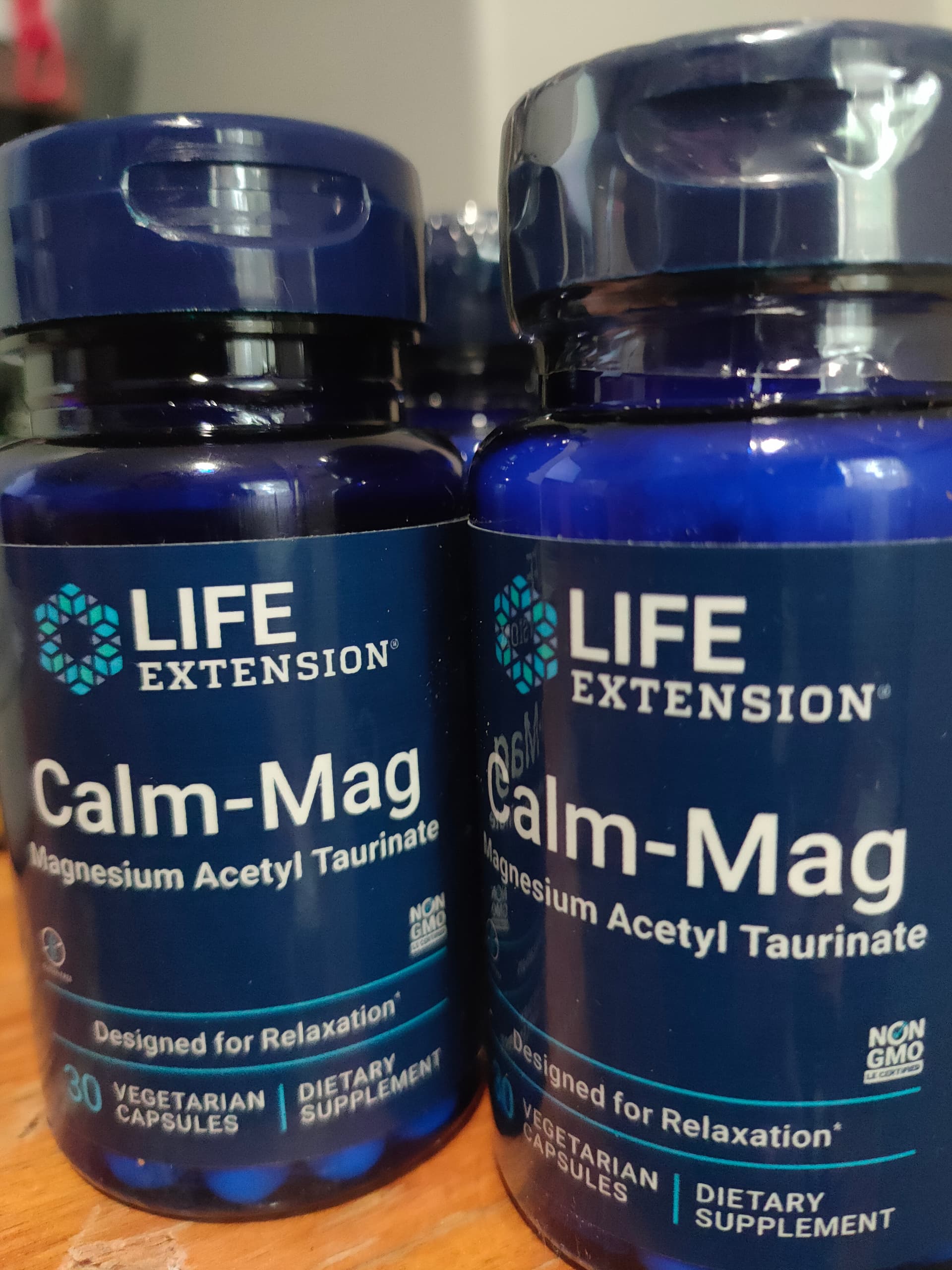
Latest study comparing magnesium-acetyl-taurate (MAT) with magnesium L-threonate (MLT). MAT came out on top. MAT differs from commonly found magnesium taurate supplements on the market due to the added acetyl group.
Key points from the study abstract:
MAT vs MLT: A pre-clinical rat study compared Magnesium-Acetyl-Taurate (MAT) and Magnesium-L-Threonate (MLT), finding MAT superior in raising magnesium levels across brain tissue, blood plasma, CSF, and muscle.
Cognitive & physical benefits: MAT produced greater improvements in spatial learning, memory, anxiety-related behavior, motor coordination, and neuromuscular strength compared to MLT.
Synaptic plasticity: MAT increased expression of key proteins including BDNF, CREB, PSD-95, and synaptophysin, which are critical for synaptic plasticity and cognition.
Oxidative stress & antioxidants: MAT enhanced cellular defense against oxidative stress via improved antioxidant markers (SOD, GSH, catalase, CoQ10).
Mitochondrial function: Both MAT and the combined MLT + MAT therapy upregulated mitochondrial electron transport chain complexes, indicating better cellular energy production.
Brain structure: MAT and the combination therapy improved neuronal myelination and structural integrity across multiple brain regions.
Combination therapy: MLT + MAT together also performed strongly across most measures, suggesting a synergistic benefit.
Conclusion: MAT is a promising neurotherapeutic candidate; the authors call for further research into high-bioavailability magnesium supplementation and its combination with other neuroprotective compounds for treating cognitive decline and neurodegenerative diseases.
The study abstract (cannot find full study right now as it was recently released and behind a paywall):
Enhanced Neurophysiological Benefits of Magnesium-Acetyl-Taurate Over Magnesium-L-Threonate: A Comparative pre-clinical Study on Bioavailability, Synaptic Plasticity and Cognitive Functions
The study examines how magnesium compounds, especially Magnesium-L-Threonate (MLT) and Magnesium-Acetyl-Taurate (MAT), affect neurophysiological functions in adult Wistar rats. Magnesium is essential for many cellular processes in the brain & peripheral system, such as neurotransmitter regulation, muscle function, and energy metabolism. Tissue Mg²⁺ levels were defined as the primary endpoint of the study, as they directly reflect the central objective of evaluating magnesium-based interventions. All other outcomes, including behavioral, biochemical, and molecular parameters, were considered secondary endpoints. This research aimed to compare the brain effectiveness of MLT (115 mg/kg and 450 mg/kg) and MAT (150 mg/kg and 500 mg/kg) in raising magnesium levels in biological samples like blood plasma, cerebrospinal fluid (CSF), muscles and brain tissues. The aim is to examine the effect of Magnesium compounds (MLT, MAT & combination treatment) on modulation and alterations in all the biological markers for neuroinflammation, synaptic plasticity, neurotransmission balance, oxidative stress & mitochondrial functioning. MAT showed better Mg2+, resulting in more notable improvements in cognitive functions, neuromuscular strength, and motor coordination compared to MLT. Behavioral tests indicated that MAT and the combined therapy of MLT and MAT significantly improved spatial learning, memory, and anxiety-related behaviors. These improvements correlated with increased expression of key proteins, including brain-derived neurotrophic factor (BDNF), cAMP response element-binding protein (CREB), Nrf2, HO-1, cAMP, and synaptic proteins such as synaptophysin and PSD-95, which are crucial for synaptic plasticity and cognition. Additionally, MAT treatment was associated with alteration inantioxidant markers, including superoxide dismutase (SOD), glutathione (GSH), catalase, and coenzyme Q10 (CoQ10), indicating better cellular defense against oxidative stress. Moreover, the upregulation of Mitochondrial ETC complexes by MAT and the combination therapy of MLT and MAT suggest improved mitochondrial function inside cells. Levels of Threonate, Taurine, and Mg2+ were also significantly higher in the MAT, MLT, and combined treatment groups. Neurotransmitters such as Dopamine, GABA & Glutamate, as well as complete blood count, have also been estimated. Morphological and histological analyses showed that MAT and the combination therapy significantly enhanced neuronal myelination and structural integrity across various brain regions. These results suggest that MAT & MLT + MAT could serve as a promising neurotherapeutic agent due to its ability to improve better magnesium bioavailability, stimulate neurogenesis, enhance cognitive functions & overall brain functioning. Future research should focus on refining methods for higher-brain bioavailable magnesium salt supplementation and investigating the combined effects of such magnesium salts with other neuroprotective compounds for treating cognitive decline, neurodegenerative diseases & other neurological conditions.
What I’m doing going forward: I’m going to continue using magnesium glycinate for the time being but as I get towards the end of the supply I have I will look into trialling magnesium acetyl taurinate.
Taking Magnesium Wrong? The Science Nobody Tells You
I. Executive Summary
Magnesium serves as a critical enzymatic cofactor in over 300 biochemical reactions, regulating neuromuscular relaxation, ion channel kinetics, cardiovascular hemodynamics, insulin sensitivity, and systemic inflammation. Despite its omnipresence in metabolic pathways, subclinical and latent tissue deficiency is widespread, exacerbated by soil mineral depletion from intensive NPK (nitrogen-phosphorus-potassium) fertilization. The core thesis of this presentation underscores that magnesium supplementation is non-equivalent across formulations; therapeutic efficacy is strictly governed by the pharmacokinetic profile of the specific ligand or chelate to which the elemental magnesium is bound. Organic chelates (such as bisglycinate, L-threonate, malate, taurate, and orotate) mimic natural dietary complexes, providing superior fractional absorption kinetics and tissue-specific targeting compared to poorly soluble inorganic salts (such as oxide and sulfate).
Diagnostically, clinical practice suffers from an objective knowledge gap due to an over-reliance on serum magnesium testing. Because the extracellular serum compartment holds less than 1% of total body magnesium, systemic homeostatic mechanisms aggressively deplete bone and intracellular tissue reserves to maintain stable serum concentrations to prevent fatal cardiac arrhythmias. Consequently, normal serum levels frequently mask severe cellular depletion. Red blood cell (RBC) magnesium testing provides a clinically practical and accurate proxy for long-term tissue status, tracking depletion across the 120-day erythrocyte lifespan.
Therapeutically, the choice of chelate must align with specific physiological objectives rather than general repletion. Magnesium bisglycinate demonstrates optimal bioavailability and downregulates systemic C-reactive protein (CRP) while augmenting nitric oxide pathways to support sleep and anxiety. Magnesium L-threonate uniquely crosses the blood-brain barrier to enhance synaptic density and mitigate cognitive decline, though robust human data remains limited. For metabolic and athletic parameters, malate and orotate augment mitochondrial ATP synthesis and exercise tolerance, whereas taurate optimizes cardiac contractility. Conversely, inorganic oxide and organic citrate possess poor relative absorption, driving water into the intestinal lumen via osmotic gradients, rendering them effective solely for chronic constipation or pre-colonoscopy bowel evacuation. Ultimately, safe and effective deployment demands low initial dosing, segmented daily administration to saturate active transport pathways, and absolute avoidance in individuals with compromised renal clearance to prevent life-threatening hypermagnesemia.
II. Insight Bullets
Enzymatic Ubiquity: Magnesium acts as a fundamental cofactor in over 300 distinct biochemical reactions, underpinning foundational cellular operations from protein synthesis to immune signaling.
Stress-Induced Depletion Loop: Elevated psychological or physiological stress accelerates the metabolic consumption of magnesium reserves, establishing a pathological loop where stress contractually exacerbates deficiency.
Soil Demineralization: Industrial agricultural practices rely heavily on NPK fertilizers, failing to replenish soil magnesium and rendering standard dietary plant sources sub-optimal for baseline mineral requirements.
Neuromuscular Ion Gating: Magnesium acts as a physiological calcium antagonist, regulating ion channels to permit muscle relaxation and prevent chronic cramping or restless leg syndrome.
Serum Homeostasis Illusion: Standard serum testing measures less than 1% of total body magnesium; the body systematically drains intracellular and skeletal reserves to preserve serum levels for cardiac electrical stability.
Erythrocyte Tracking Precision: Red blood cell (RBC) magnesium levels serve as a superior proxy for systemic cellular tissue status, reflecting fluctuations over the ~120-day lifespan of the cell.
The IV Loading Standard: The intravenous magnesium loading test represents the most precise diagnostic metric for deep tissue deficiency, measuring urinary retention after a controlled IV bolus.
Ligand-Driven Pharmacokinetics: Unbound elemental magnesium is highly unstable; its absorption, bioavailability, and tissue distribution are dictated entirely by its bound carrier molecule or chelate.
Organic vs. Inorganic Distinction: Organic compounds (carbon-bound) match physiological food complexes to achieve superior gut absorption, whereas inorganic salts feature low solubility and high gastrointestinal friction.
Elemental Mass vs. Compound Mass: Dosage calculations must distinguish between total compound weight and actual elemental magnesium mass (e.g., magnesium citrate is only approximately 16% elemental magnesium by weight).
Gastrointestinal Motility Divergence: Magnesium formulations exhibit opposing impacts on gut motility; citrate and oxide accelerate clearance via osmotic mechanisms, while long-term bisglycinate use can decrease motility.
Endothelial Nitric Oxide Augmentation: Organic magnesium forms, particularly bisglycinate, downregulate systemic inflammation markers like C-reactive protein (CRP) and stimulate vasodilatory nitric oxide synthesis.
Blood-Brain Barrier Penetration: Magnesium L-threonate (Magtein) is uniquely capable of traversing the blood-brain barrier, directly elevating cerebrospinal fluid magnesium levels to modulate neuro-cognition.
Synaptic Density Optimization: Preclinical data indicates that central nervous system loading via L-threonate increases synaptic density, improving short- and long-term memory structures.
Mitochondrial ATP Synthesis Support: Malic acid conjugation (magnesium malate) directly supports the Krebs cycle, driving adenosine triphosphate (ATP) generation to counteract chronic fatigue states.
Myocardial Metabolism Enhancement: Orotic acid carriers deliver magnesium directly to high-energy-demand tissues like cardiac myocytes, supporting nucleotide synthesis and improving clinical survival indexes in severe heart failure.
Vascular Resistance Reduction: Repleting magnesium levels reduces peripheral vascular resistance, acting as a natural calcium channel blocker to modulate chronic systolic hypertension.
Insulin Receptor Sensitization: Magnesium functions as a critical component in insulin receptor signaling, and chronic deficiency disrupts glucose regulation, precipitating metabolic syndrome and type 2 diabetes.
Topical Transdermal Mechanics: Magnesium chloride oil and sulfate baths circumvent gastrointestinal absorption entirely, providing localized neuromuscular relaxation without inducing diarrhea.
Osmotic Laxative Dynamics: Low-bioavailability inorganic forms like magnesium oxide (~4% absorption) remain in the gut lumen, exerting an osmotic draw that softens stool for acute constipation relief.
Fractional Absorption Saturation: Large single oral boluses saturate active intestinal transport mechanisms, leading to poor absorption efficiency and increased gastrointestinal distress.
Dosing Segmentation Strategy: Dividing total daily elemental magnesium into 2 to 3 smaller doses throughout the day optimizes overall bioavailability and reduces local mucosal irritation.
Renal Clearance Constraints: In patients with chronic kidney disease (CKD), impaired filtration prevents the excretion of excess magnesium, rapidly inducing toxic hypermagnesemia.
Hypermagnesemia Symptomatology: Excessive blood magnesium values induce profound clinical toxicity, manifesting as facial flushing, severe hypotension, loss of deep tendon reflexes, and respiratory failure.
Medication Chelation Inactivation: Supplemental oral magnesium can directly chelate and deactivate concurrent medications—including tetracycline antibiotics, diuretics, and bisphosphonates—within the digestive tract.
IV. Actionable Protocol (Prioritized)
High Confidence Tier (Backed by Level A/B Evidence)
Systolic Blood Pressure Modulation: Administer 360 mg to 400 mg of elemental magnesium daily for a minimum duration of 3 months. Meta-analytic data establishes a net clinical reduction of 3–4 mm Hg systolic and 2–3 mm Hg diastolic pressure, mediated by competitive calcium antagonism within vascular smooth muscle cells Kass et al., 2012.
Clinical Depression Adjunct: For individuals presenting with documented baseline magnesium deficiency (serum less than 1.8–1.9 mg/dL) and depressive disorders, initiate 500 mg daily of oral magnesium (evaluated via magnesium oxide in trials) for 8 weeks to downregulate NMDA receptor overactivation Rajizadeh et al., 2017. Highly bioavailable organic forms are preferred in clinical practice to avoid gastrointestinal side effects.
Ischemic Endothelial and Exercise Optimization: For patients diagnosed with stable coronary artery disease (CAD), oral supplementation of magnesium over 6 months significantly optimizes exercise heart rate curves, exercise-induced chest pain thresholds, and overall endothelial function Shechter et al., 2003.
Osmotic Evacuation and Constipation Management: To address chronic idiopathic constipation or execute pre-colonoscopy bowel cleansing, utilize high-dose oral magnesium oxide (1.5 g/day) or magnesium citrate. These inorganic/low-bioavailability salts function as non-absorbable osmotic laxatives, drawing water directly into the colonic lumen SingleCare Medical Review, 2025.
Dosing Delivery Optimization: Total daily supplemental quotas must be fragmented into 2 to 3 smaller divided doses (e.g., 150 mg elemental magnesium per dose) taken exclusively with meals. This scheduling circumvents the saturation thresholds of active transcellular transport systems in the enterocytes, maximizing fractional absorption while lowering gastrointestinal adverse events like loose stools Instalab Diagnostics, 2024.
Experimental Tier (Backed by Level C/D Evidence or High Safety Margins)
Blood-Brain Barrier and Synaptic Loading: To target cognitive aging, memory deficits, or brain fog, administer 2,000 mg of magnesium L-threonate (delivering ~145 mg of elemental magnesium) split between morning and evening. Randomized controlled data demonstrates a significant improvement in working memory, reaction times, and an estimated 7.5-year reduction in brain cognitive age over 6 weeks Frontiers in Nutrition, 2025.
Severe Congestive Heart Failure Adjuvant: Under strict cardiovascular oversight, introduce oral magnesium orotate as metabolic support for patients with NYHA class IV chronic heart failure. The orotic acid ligand serves as a precursor to the pyrimidine nucleotide pool, driving myocardial ATP replenishment and demonstrating notable 1-year survival improvements Stepura & Martynow, 2009.
Cardiovascular/Endothelial Protection via Amino Acid Chelation: Utilize magnesium taurate or bisglycinate to combine elemental magnesium with active amino acid ligands. Taurine displays intrinsic anti-arrhythmic and anti-hypertensive properties by dampening intracellular sodium/calcium loads, while glycinate downregulates C-reactive protein (CRP) BaleDoneen Clinical Review, 2024.
Mitochondrial Energy Augmentation: Deploy magnesium malate (bound to malic acid) in the morning at doses of 300–400 mg elemental magnesium for individuals managing fibromyalgia or chronic fatigue syndrome to support the intermediate steps of cellular respiration MitoHealth Cardiology Review, 2024.
Transdermal Bypass and Localized Recovery: Apply topical magnesium chloride oil or utilize magnesium sulfate (Epsom salt) baths for acute musculoskeletal recovery and delayed-onset muscle soreness (DOMS). This pathway completely bypasses the gastrointestinal tract, though quantitative systemic bioavailability remains variable Examine Research Analysis, 2026.
Red Flag Zone (Debunked Claims or Critical Safety Deficits)
Standard Serum Magnesium Diagnostics: Relying on standard serum magnesium testing to rule out systemic deficiency is highly discouraged. Because less than 1% of total magnesium is extracellular, serum homeostatic buffering conceals critical tissue and skeletal depletion, leading to chronic latent magnesium deficits DiNicolantonio et al., 2018. Correction: Utilize Red Blood Cell (RBC) magnesium tracking as an accessible cellular proxy.
Renal Clearance Contradictions: Absolute contraindication of oral or transdermal magnesium stacking in individuals suffering from moderate-to-severe Chronic Kidney Disease (CKD) or impaired renal clearance. Incapacity to filter excess magnesium precipitously induces hypermagnesemia, manifesting as severe hypotension, facial flushing, respiratory depression, and fatal cardiac arrest.
Co-Medication Chelation Inactivation: Never co-ingest oral magnesium supplements with tetracycline antibiotics, fluoroquinolones, loop diuretics, or bisphosphonates. Magnesium forms insoluble complexes within the gastrointestinal tract, completely neutralizing the clinical efficacy of the pharmaceutical compounds. A minimum 2-hour clear dosing window is mandatory.
Prolonged Epsom Salt / Oral Sulfate Exposure: Avoid chronic, long-term ingestion or excessive transdermal saturation of magnesium sulfate. Preclinical models have highlighted potential cytotoxic liabilities with prolonged high-concentration exposure, and oral sulfate salts pose high risks of severe electrolyte imbalances Video Transcript Source, 2025.
Magnesium acetyl-taurate is a very thin market. It’s a single patented ingredient (ATA Mg® / TauroMag®, from AIDP, Inc.), and in the US there are only a handful of distinct finished products. Most of the “10 vendors” a search surfaces (Amazon, Macy’s, Walmart, PureFormulas, Hebron Nutrition, NHC) are the same Double Wood bottle resold. So a true “Top 10 unique lowest-cost sources” doesn’t exist without padding the list, and padding is exactly what your protocol is built to prevent. I’d rather give you 4 fully-loaded-and-verified products than 10 with invented data.
Here’s what I actually loaded, read, and verified. Cost/100 mg is calculated on total compound milligrams (the acetyl-taurate itself), per your formula.
Rank
Brand (form)
Vendor
Size
One-Time Price
Cost / 100 mg
Verification Key (text pulled off the live page)
Verified Direct Link
1
TauroMAG® Powder
Nootropics Depot
50 g (50,000 mg)
$49.99
$0.100
“From 800mg TauroMAG®… Providing 52mg elemental magnesium (13% DV)”; COA lot ATMS1070824; “Updated On: 05/05/2026”
*Endur’s page does not disclose the compound milligrams per tablet (only “patented form,” 1 tablet twice daily), so a per-100 mg figure can’t be calculated honestly. Left blank rather than guessed.
My main beef with Magnesium-L-Threonate is that it is incredibly expensive for what it does as a magnesium. Most of the studies are funded by the patent holder of magtein Guosong Liu a Chinese inventor, directly or indirectly.