Low Levels of Low-Density Lipoprotein Cholesterol and Mortality Outcomes in Non-Statin Users
Ki-Chul Sung et al. J Clin Med. 2019.
Abstract
We aimed to test the association between low-density lipoprotein cholesterol (LDL-C) and cardiovascular disease (CVD), cancer, and all-cause mortality in non-statin users. A total of 347,971 subjects in Kangbuk Samsung Health Study (KSHS.57.4% men, mean follow up: 5.64 ± 3.27 years) were tested. To validate these associations, we analyzed data from another cohort (Korean genome and epidemiology study, KoGES, 182,943 subjects). All subjects treated with any lipid-lowering therapy and who died during the first 3 years of follow up were excluded. Five groups were defined according to baseline LDL-C concentration (<70, 70-99, 100-129, 130-159, ≥160 mg/dL). A total of 2028 deaths occurred during follow-up in KSHS. The lowest LDL-C group (LDL < 70 mg/dL) had a higher risk of all-cause mortality (HR 1.95, 1.55-2.47), CVD mortality (HR 2.02, 1.11-3.64), and cancer mortality (HR 2.06, 1.46-2.90) compared to the reference group (LDL 120-139 mg/dL). In the validation cohort, 2338 deaths occurred during follow-up. The lowest LDL-C group (LDL < 70 mg/dL) had a higher risk of all-cause mortality (HR 1.81, 1.44-2.28) compared to the reference group. Low levels of LDL-C concentration are strongly and independently associated with increased risk of cancer, CVD, and all-cause mortality. These findings suggest that more attention is needed for subjects with no statin-induced decrease in LDL-C concentrations.
@RapAdmin Addition (4/26) - Google Gemini 3 Pro Analysis:
Critical Limitations
- Translational Uncertainty: As an epidemiological study, the data proves correlation, not causation. Endogenously low LDL-C is almost certainly a secondary biomarker of occult disease rather than the primary biological executioner.
- Methodological Weaknesses: * Despite excluding deaths within the first 3 years, slow-progressing occult cancers or chronic immune deficits can remain undetected for a decade, leaving reverse causality a major threat.
- The study relies on a single baseline lipid panel; longitudinal fluctuations in LDL-C over the 5.6-year and 8.5-year follow-up periods were unrecorded.
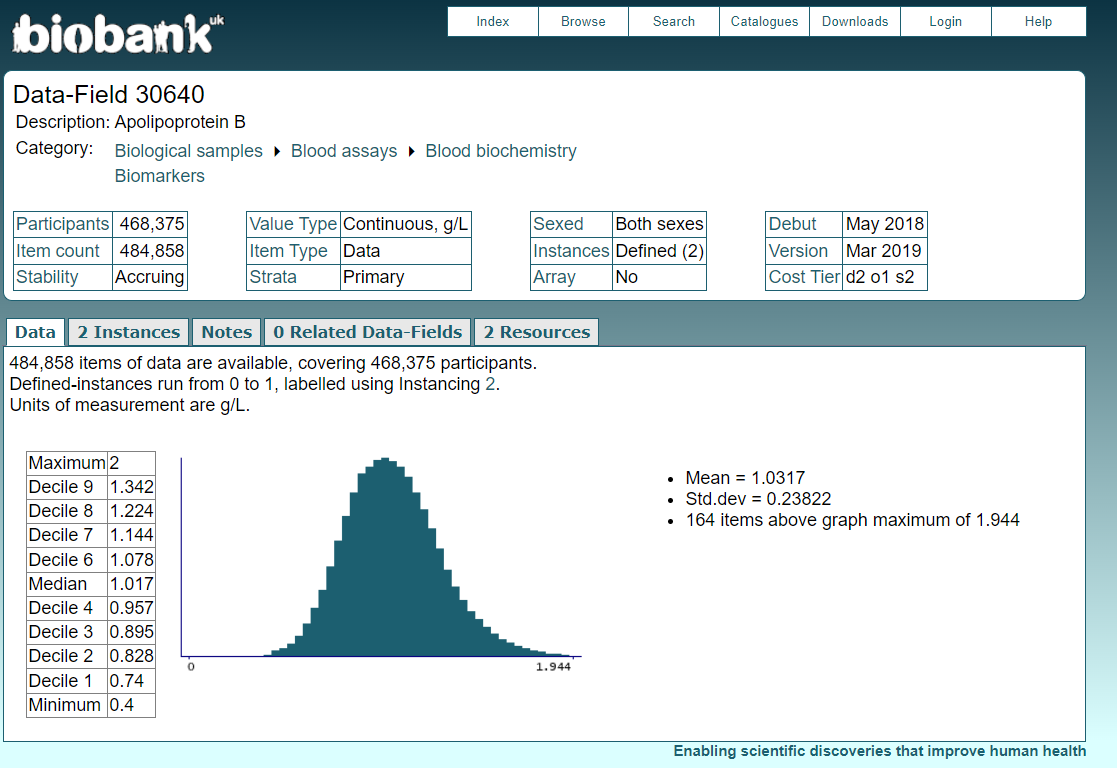
- Actionable longevity biomarkers crucial to modern biohacking—such as Apolipoprotein B (ApoB), Lipoprotein(a), and small dense LDL particle counts—were entirely omitted.
- Effect-Size Uncertainty: The absolute number of CVD deaths in the extremely low LDL-C group was severely constrained (only 14 CVD deaths occurred in the < 70 mg/dL KSHS cohort). This statistical sparsity dramatically widens confidence intervals and diminishes the reliability of the 2.02 CVD HR. Additional longitudinal data utilizing ApoB tracking is required to draw actionable clinical conclusions. [Confidence: Medium]