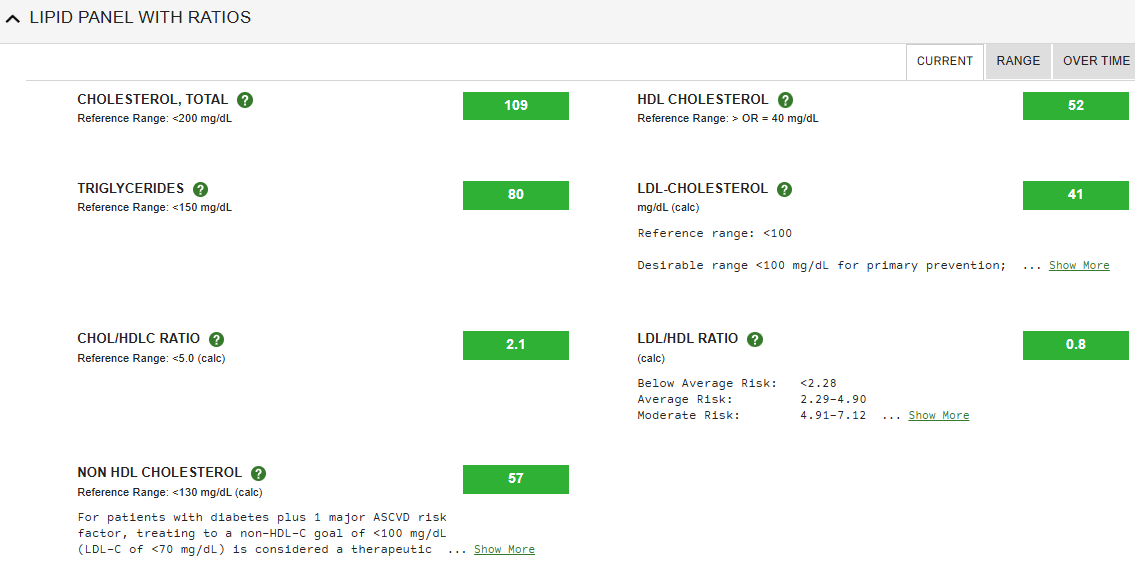
Yes, so much we can do - and so much more we likely will be able to do over the next decade and few - if we at that time still remain in good shape especially
With a high cac would consider not staying at high Apo B / LDL levels
Yes, so much we can do - and so much more we likely will be able to do over the next decade and few - if we at that time still remain in good shape especially
With a high cac would consider not staying at high Apo B / LDL levels
The idea is that beta cyclodextrin selectively takes out the sLDL and leaves the rest of the LDL alone. It does a bunch of other good stuff too, but I like the idea of not throwing out the baby with the bathwater.
Colchicine is brilliant, stopping the inflammation.
I think the whole problem probably starts, when it can, in people with high Lead, Iron, Cadmium and there are ways to lower these safely. DMSA keeps heavy metals out of the brain too, which EDTA does not. Doing it slowly over a long time is a really good way to go.
Look at Mileage
Large LDL particles seem to have especially low hazard ratios
https://www.jacc.org/doi/10.1016/j.jacadv.2025.101686
Plaque Begets Plaque, ApoB Does Not: Longitudinal Data From the KETO-CTA Trial
Methods
One hundred individuals exhibiting KD-induced LDL-C ≥190 mg/dL, high-density lipoprotein cholesterol ≥60 mg/dL, and triglycerides ≤80 mg/dL were followed for 1 year using coronary artery calcium and coronary computed tomography angiography. Plaque progression predictors were assessed with linear regression and Bayes factors. Diet adherence and baseline cardiovascular disease risk sensitivity analyses were performed.
Results
High apolipoprotein B (ApoB) (median 178 mg/dL, Q1-Q3: 149-214 mg/dL) and LDL-C (median 237 mg/dL, Q1-Q3: 202-308 mg/dL) with low total plaque score (TPS) (median 0, Q1-Q3: 0-2.25) were observed at baseline. Neither change in ApoB (median 3 mg/dL, Q1-Q3: −17 to 35), baseline ApoB, nor total LDL-C exposure (median 1,302 days, Q1-Q3: 984-1,754 days) were associated with the change in noncalcified plaque volume (NCPV) or TPS. Bayesian inference calculations were between 6 and 10 times more supportive of the null hypothesis (no association between ApoB and plaque progression) than of the alternative hypothesis. All baseline plaque metrics (coronary artery calcium, NCPV, total plaque score, and percent atheroma volume) were strongly associated with the change in NCPV.
Conclusions
In lean metabolically healthy people on KD, neither total exposure nor changes in baseline levels of ApoB and LDL-C were associated with changes in plaque. Conversely, baseline plaque was associated with plaque progression, supporting the notion that, in this population, plaque begets plaque but ApoB does not. (Diet-induced Elevations in LDL-C and Progression of Atherosclerosis [Keto-CTA]; NCT05733325)
Characteristics of the sample population are as follows:
The inclusion criteria were
• Being on a KD for ≥24 months
• LDL-C ≤160 mg/dL from the last lipid panel drawn prior to adopting a KD
• LDL-C ≥190 mg/dL on the most recent laboratory on a KD
• An increase of ≥50% in LDL-C after adopting a KD
• HDL-C ≥60 mg/dL
• Triglycerides ≤80 mg/dL
• Glycated hemoglobin <6.0%
• Fasting glucose <110 mg/dL
• High-sensitivity C-reactive protein <2 mg/L
Exclusion criteria were
• Elevated blood pressure (systolic >130 mm Hg, diastolic >80 mm Hg)
• Type 2 diabetes or any lifetime use of antidiabetic medication
• Untreated hypothyroidism (thyroid stimulating hormone >10 mIU/mL)
• Renal insufficiency (calculated creatinine clearance of <50 mL/min with the MDRD [Modification of Diet in Renal Disease Study] equation)
• Liver enzymes >2 times the upper limit of normal at screening visit or total bilirubin >1.5
• Use of medications that elevate LDL-C (anabolic steroids, isotretinoin, immunosuppressant, amiodarone, thiazide diuretics, glucocorticoids, or thiazolidinediones)
• Use of lipid-lowering supplements or medications (statins, red yeast rice, garlic, ezetimibe, berberine, PCSK9 inhibitors)
• Genetically defined familial hypercholesterolemia
This study is being discussed there: Cardiovascular Health - #1751 by adssx
Tl;dr: misleading title, people in the study had the fastest plaque progression ever seen in a cohort.
Folkert H van Bruggen et al. J Clin Med. 2025.
Abstract
Over the past two decades, cardiovascular disease (CVD) prevention guidelines have progressively lowered LDL-C targets to <70 mg/dL for high-risk individuals based on the assumption of a linear relationship between LDL-C levels and CVD risk. However, the available evidence challenges this premise. Multiple studies demonstrate a weak or inconsistent association between LDL-C levels and atherosclerosis progression at the individual patient-level. Systematic reviews supporting the linearity assumption have notable limitations, including extrapolation beyond observed LDL-C ranges and potential ecological fallacy, as meta-regression analyses rely on study-level data, while patient-level data within the same trials often show no association between LDL-C reduction and CVD outcomes. Moreover, randomized controlled trials explicitly designed to assess LDL-C targets have yielded inconclusive and biased results. LDL-C itself is a heterogeneous marker, with particle size and composition influencing its atherogenicity. The cardiovascular benefits of lipid-lowering therapies may arise in part from pleiotropic effects unrelated to LDL-C lowering. Additionally, several studies indicate that higher LDL-C levels are paradoxically associated with longevity in elderly populations that is equal to or even greater than that of the general population. Collectively, this body of evidence raises questions about the validity of current LDL-C targets < 70 mg/dL in high-risk patients. [PMID: 40429563]
From the full text:
- Lifelong elevated LDL-C may result in long CVD-free lives: Elderly individuals with high LDL-C, including those with familial hypercholesterolemia (FH), often enjoy longer, CVD-free lives, likely due to enhanced immune function and resistance to severe infections, while younger FH individuals’ CVD risk is linked to thrombosis rather than elevated LDL-C.
- Studies have also shown that low LDL-C levels are associated with an increased risk of infections, sepsis, and mortality.
- Lipid-lowering therapy benefits stem from reduction in non-LDL-C factors: The pleiotropic effects of lipid-lowering therapies, including the anti-inflammatory and antithrombotic actions of statins… contribute to cardiovascular risk reduction independently of LDL-C.
- Lack of linear association between LDL-C and risk of CVD: Minimal to no correlation has been observed between LDL-C levels and plaque progression or CAC scores at the individual patient level.
- Observational cohort studies reported a U-shaped association between LDL-C- or total cholesterol levels and the risk of all-cause mortality, with the lowest mortality risk observed at LDL-C levels ranging between 100 and 189 mg/dL.
A link to the entire paper.
https://www.mdpi.com/2077-0383/14/10/3569
Rapadmin addition:
Critical Limitations
- Methodological Weakness: As a narrative review, the paper is inherently susceptible to author selection bias regarding which trials and post-hoc analyses were selected for inclusion.
- Confounding Variables: The manuscript relies heavily on the post-hoc interpretations of randomized controlled trials (such as the TST trial) which suffered from early termination, high dropout rates (29.7%), and exceptionally low fragility indices.
- Missing Data: The authors dismantle the standard LDL-C paradigm but fail to provide a unified, actionable alternative risk algorithm integrating apoB, Lp(a), and hs-CRP to replace the criticized guidelines.
Thank you.
A short read. It may look long if you view the scroll bar. But if you scroll down, most of it is comprised (60%) of citations.
A recent meta-analysis of 31,245 patients across three statin trials demonstrated distinct associations between inflammatory risk and residual cholesterol risk with cardiovascular outcomes among statin users. Higher baseline hsCRP levels were significantly associated with increased incidence of MACE. Notably, the relationship between LDL-C levels and MACE was neutral across LDL quartiles (LDL-C range < 56 to >102 mg/dL) [38].
In addition, statins reduce C-reactive protein (CRP) and hs-CRP levels in patients with CVD, independent of LDL-C levels [84]. Therefore, lower post-treatment CRP levels are associated with reduced CVD event risk, regardless of achieved LDL-C levels in primary and secondary prevention [85,86].
Statins also exhibit antithrombotic effects, directly and indirectly influencing coagulation and platelet aggregation [87]. In a secondary endpoint analysis of the JUPITER trial that compared rosuvastatin 20 mg daily versus placebo, rosuvastatin reduced the risk of venous thromboembolism (VTE). Importantly, the reduction in VTE risk was independent of the baseline LDL-C level [88]. Similar to previous trials comparing anticoagulant and antiplatelet drug combinations, rosuvastatin’s antithrombotic properties may explain its observed reduction in CVD risk [89,90].
So one author is from the “Department of Psychology”? Psychology of cholesterol?
I was just looking at platelets in Lp(a) (I have very high levels), so I rounded up a bunch of papers on statins and platelets in the cardiovascular health thread.
Alessandra Errigo et al. Nutrients. 2025.
Abstract
Background/Objectives : Hypercholesterolemia is commonly viewed as a risk factor for coronary heart disease; however, several studies have reported an inverse relationship between cholesterol levels and cardiovascular mortality, particularly in older adults. This “cholesterol paradox” challenges the conventional understanding of lipid metabolism. Despite often being dismissed as a result of reverse causality, the precise causes of this paradox remain poorly understood. This study aimed to investigate the potential existence of the cholesterol paradox in a long-lived population from central Sardinia, Italy.
Methods : We recruited 168 baseline nonagenarians (81 males, 87 females) from the longevity Blue Zone area in 2018 and followed them until December 2024. The lipid profile was determined for all participants according to current guidelines, and its impact on survival was analyzed with Kaplan-Meier curves and Cox proportional hazards regression models.
Results : The median total cholesterol was 199.5 (range 89-314) mg/dL in males and 202.5 (range 89-324) mg/dL in females. Survival time was significantly longer in participants with LDL cholesterol (LDL-C) above 130 mg/dL compared to that in nonagenarians with LDL-C lower than 130 mg/dL (3.82 ± 1.88 years vs. 2.79 ± 1.56 years, p < 0.0001). Cox regression analysis revealed a significant reduction in the hazard ratio (HR) for mortality in participants with mild hypercholesterolemia (LDL-C ≥ 130 mg/dL) compared to that in those with normal cholesterol (OR 0.600, 95%CI 0.405-0.891).
Conclusions : In the long-lived population examined, the cholesterol paradox was unlikely to be a reflection of reverse causality. Our results challenge the common view that longevity is invariably associated with low cholesterol levels. Furthermore, moderate hypercholesterolemia does not preclude the oldest adult from attaining advanced ages, contrary to common belief.
Context:
Impact Evaluation: The impact score of this journal is 5.0, evaluated against a typical high-end range of 0–60+ for top general science, therefore this is a Medium impact journal.
However, in a previous study, we did not observe a significantly increased blood level of saturated fatty acids, such as C16:0 (palmitic acid), in nonagenarians from the Sardinia Blue Zone compared to that in populations of the same age living outside this area, although an increased level of odd-chain fatty acids such as C17:0 was noted in the oldest members of this community [50]. Diffuse hypercholesterolemia cannot be excluded as an intrinsic feature of the target population, and this may be due to genetic factors and/or lifestyle, such as the widespread practice of traditional sheep rearing.
A demographic study revealed that Sardinian LBZ overlaps with an area of low cardiovascular mortality [51], which implies an apparent dissociation between high cholesterol levels and the predictably increased risk of atherosclerotic cardiovascular disease. This indicates that, in this community, the deleterious impact of hypercholesterolemia may be counterweighed by concomitant protective factors, including diet and physical exercise, either alone or in combination. Regarding diet, a previous study showed that in the Sardinian LBZ, traditionally, total fat intake was only 14–19% of daily energy, although in more recent times, the consumption of fats in this community has increased [32]. For this reason, it is unlikely that diet is the cause of diffuse hypercholesterolemia. A more plausible protective factor among the elderly of the Sardinian LBZ could be the traditional intense physical activity, not only in the male [52] but also in the female sex [53].
In the present study, reverse causality was also unlikely since subjects with the most serious pathologies did not show lower cholesterol levels.
I don’t think anybody actually said that longevity is invariably associated with low cholesterol levels, or that it’s impossible to live to an old age with high LDL-C.
Everything is probability based, and most biology is based around averages. So on average, people with higher LDL-C build more plaque than people with lower LDL-C. That’s been shown again and again and again and again across multiple populations. And every time clinical trials enrol people and lower their LDL-C with medications, lifestyle etc, they have less heart attacks, strokes and deaths on average.
That’s not to say that somebody with low LDL-C can never have a heart attack, or that somebody with high LDL-C will definitely have one. Life doesn’t work that way.
The problem with this study, and the claims they’re making, is that you’re studying a population which has already outlived heart attacks. So they already have shown that they are not really getting ASCVD. It’s totally worthwhile to study this, because it’s interesting, but it’s definitely not the type of study which can overturn the ASCVD-plaque hypothesis or tell us that we don’t need to control our ApoB.
My own “theory” would be that if you’ve lived to 80+ without any former heart attacks, you’ve already demonstrated yourself as resistant to ASCVD. Some people, for whatever reason, simply don’t build that much plaque. The people in the study who had LDL-C of >240mg/dl and were still alive in their 80s are strong evidence of that. But that means they’re lucky. It doesn’t overturn everything we know about lipoproteins and heart attacks.
By the way, there are some red flags with this study. The way that the manuscript is written: “Hypercholesterolemia is commonly viewed as a risk factor for coronary heart disease”, for example, reeks of bias and disingenuous writing. It’s not “commonly reviewed” - it IS a risk factor, period. Whether there are exceptions to that is certainly open to debate, but to write it as “commonly viewed as” is a pretty big signal of the authors personal beliefs.
Also, this is published in a real trash-tier journal. MDPI is a publisher based out of Wuhan China, driven by profit, super fast review times, and they don’t publish their acceptance rates. In my experience, having peer reviewed for them several times, they accept almost everything that is submitted.
Submission received: 23 January 2025 / Revised: 17 February 2025 / Accepted: 19 February 2025
That is an INSANELY quick turnaround time. Hard to believe that a paper was submitted, reviewed by an editor, sent out to reviewers, then 2-3 reviewers accepted the job, had a detailed look, checked all the math and statistics, gave comments back to authors, then the authors made amendments and wrote a response to reviewers etc, all within ~3 weeks. And it’s accepted only 2 days later?
It doesn’t mean the paper is bullshit, but my point is that if the study was really solid, they should be submitting to way better journals than this semi-predatory one.
Alessandra Errigo1,
Maria Pina Dore1,2,
Michele Portoghese3 and
Giovanni Mario Pes1,4,*
1 Dipartimento di Medicina, Chirurgia e Farmacia, University of Sassari, Clinica Medica, Viale San Pietro 8, 07100 Sassari, Italy
2 Department of Medicine, Baylor College of Medicine, One Baylor Plaza, Houston, TX 77030, USA
3 Cardiovascular Surgery Unit, AOU Sassari, Via Enrico de Nicola 14, 07100 Sassari, Italy
4 Sardinia Blue Zone Longevity Observatory, 08040 Ogliastra, Italy
MDPI is headquartered in Basel, Switzerland, and has a global presence with more than 8,500 employees across 24 offices in 13 countries. Of these, 5,500 are dedicated to editorial work, covering all areas of research and supporting the needs of our global research communities.
Article does not say if it was submitted to Wuhan, or Basel.
“Higher LDL-Cholesterol is Associated with Greater Longevity?”
Seems like we have been debating this for years in the forum.
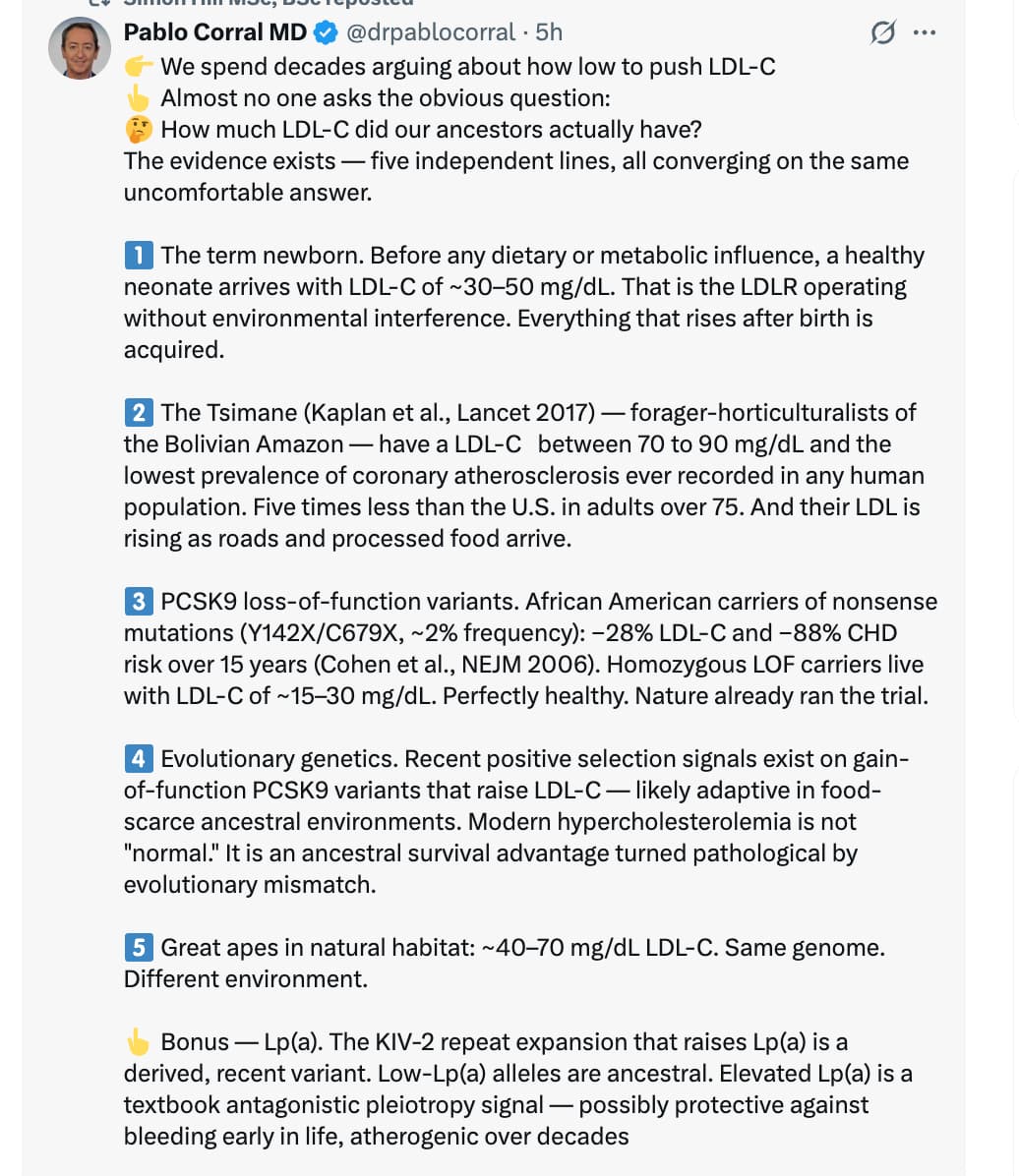
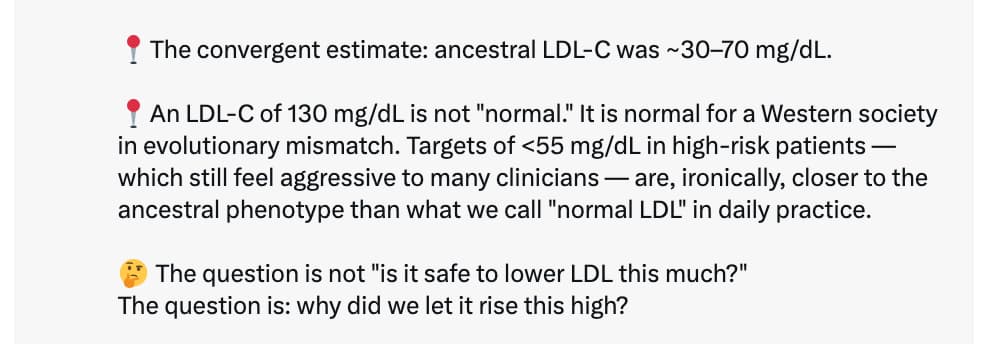
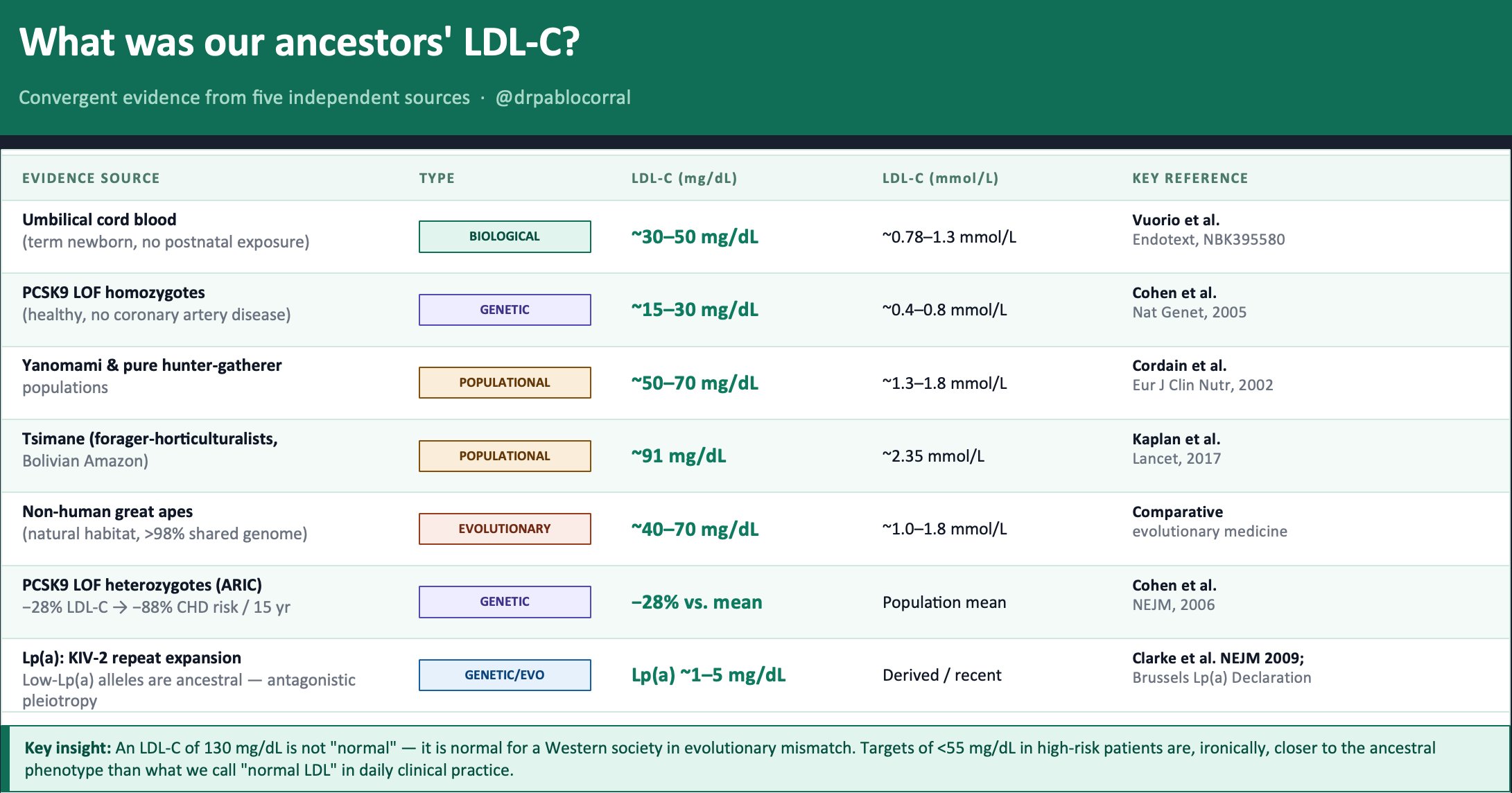
Lower is better, U-shaped, etc. I don’t think we will ever settle the matter to everyone’s satisfaction, but as for me I will follow the lower the better theory. I don’t take any drastic measures, I just added Brillo EZ 180mg/10mg Bempedoic acid / Ezetimibe to my once daily atovastatin.
Prominent Physicians Advocating “Lower is Better”
Several leading experts in cardiovascular medicine have explicitly championed this approach:
MDPI likes to pretend they’re Swiss, but they are from China, trust me. Every staff member is there, all the manuscripts are processed etc. You can read about their business practices here: Predatory Journals - Is MDPI Predatory
Anyway, this isn’t the major point. You can publish good research in a poor reputation journal. However, if there really was a convincing paper that could seriously challenge the LDL-C/atherosclerosis hypothesis, it would be published in a reputable cardiovascular journal, not Nutrients.
If a paper is good, it’s not published in MDPI.