Yes, valid point. I have the prompt try to parse out any actionable information from these videos (since ultimately that is what I think most of us are interested in) and so it pulls out any mentioned or implied therapeutic areas and reviews and ranks them. Probably not very helpful in this video.
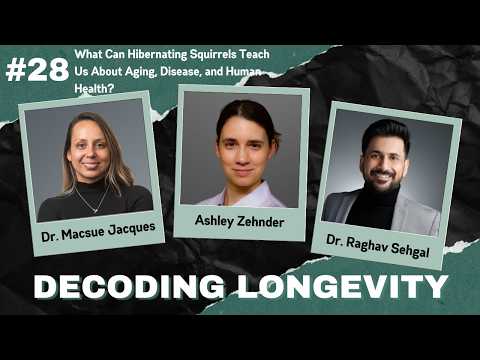
What Can Hibernating Squirrels Teach Us About Aging Disease and Human Health? with Dr Ashley Zehnder
I. Executive Summary
The core thesis presented by Dr. Ashley Zehnder centers on reversing the traditional preclinical paradigm of drug discovery. Rather than inducing human disease states in non-resilient model organisms (such as standard Mus musculus or Rattus norvegicus strains), her company, Fauna Bio, utilizes comparative genomics and artificial intelligence to isolate endogenous protective and regenerative gene networks within highly resilient mammalian species that have naturally evolved defenses against extreme physiological stressors. The primary biological engine analyzed is the thirteen-lined ground squirrel (Ictidomys tridecemlineatus), an obligate hibernator that undergoes prolonged bouts of metabolic depression, profound hypothermia (dropping to 4°C), extreme hypoxia, and a 90% reduction in blood flow. Crucially, these animals endure rapid interbout arousals every two weeks, generating systemic ischemia-reperfusion (I/R) events that mimic human myocardial infarctions or cerebrovascular accidents 25 times per season without sustaining permanent fibrotic or structural organ damage.
By executing single-nucleus RNA sequencing at precise tissue-repair windows and processing the data via a Graph Neural Network (GNN) trained on one billion parameters, the platform identifies discordant gene network hubs between resilient hibernator states and human clinical pathologies. This cross-species alignment underpins the development of FAUN-1083, a small-molecule development candidate designed to treat Heart Failure with Preserved Ejection Fraction (HFpEF) and concurrent pulmonary hypertension—conditions with exceptionally high 5-year mortality rates and a lack of approved targeted interventions. Preclinical evaluation reveals that FAUN-1083 optimizes mitochondrial function, dampens sympathetic nerve hyperactivity, and limits pathological tissue fibrosis. Furthermore, this evolutionary discovery engine has been extended to neurodegenerative pathways—leveraging the ground squirrel’s innate capacity to clear hyperphosphorylated tau proteins during euthermic arousal cycles—and metabolic conditions, leading to a commercial partnership with Eli Lilly to discover non-GLP-1 mechanisms that enhance energy expenditure while preserving skeletal muscle mass. While the computational framework efficiently narrows target selection, significant translational gaps remain regarding the scalability of these multi-species evolutionary adaptations to human physiology, the long-term safety profile of chronic small-molecule administration, and the biological differences between transient seasonal states and chronic human systemic diseases.
Thirteen-Lined Ground Squirrel (Ictidomys tridecemlineatus). Source: Simanaitis Says / 13-lined ground squirrel | Simanaitis Says
Spiny Mouse (Acomys dimidiatus). Source: slowmotiongli / Getty Images
II. Insight Bullets
- Preclinical Paradigm Reversal: Traditional drug discovery relies on artificially inducing pathologies in non-resilient animals, whereas comparative biology investigates species that have already naturally evolved successful disease-reversal or disease-resistance phenotypes over millions of years.
- Extreme Homeostatic Depressions: During torpor, the thirteen-lined ground squirrel sustains a 90% reduction in blood oxygenation, a drop in heart rate from 250 to 5 beats per minute, and a metabolic rate suppressed to 1% to 3% of standard euthermic baselines.
- Endogenous Reperfusion Tolerance: Ground squirrels rapidly rewarm from 4°C to normal body temperature within approximately one hour every two weeks during winter hibernation, subjecting their vital organs to repetitive, severe ischemia-reperfusion stress without incurring structural injury.
- Transient Dedifferentiation Controls: Tissue repair in these resilient models relies on the transient upregulation of early, stem-like cellular factors (e.g., in cardiomyocytes) that orchestrate scarless tissue restoration and are strictly downregulated post-repair to prevent oncogenic transformation.
- The Spiny Mouse Phenotype: Beyond hibernators, species like the spiny mouse (Acomys) serve as mammalian models for authentic complex tissue regeneration, achieving completely afibrotic, scar-free healing of the skin, musculoskeletal systems, kidneys, and spinal cord Haughton et al., 2024.
- Reversible Tau Hyperphosphorylation: During hypothermic torpor bouts, ground squirrel neurons experience dendritic tree retraction and tau protein hyperphosphorylation (resembling the structural hallmarks of Alzheimer’s disease), which are rapidly and completely cleared upon rewarming Regalado-Reyes et al., 2020.
- Innate Dendritic Plasticity: Hibernating mammals possess highly dynamic neuronal networks capable of spontaneously rebuilding complex synaptic connections every two weeks, bypassing the permanent dendritic regression typical of human neurodegenerative diseases.
- Atrophy Resistance via Nutrient Recycling: Despite months of complete skeletal muscle disuse and starvation during hibernation, these mammals employ metabolic recycling pathways to prevent muscle wasting and disuse atrophy.
- Graph Neural Network Scalability: Processing multi-species transcriptomic data requires specialized computational architecture, implemented via a Graph Neural Network (GNN) configured with 1 billion parameters to assemble a comprehensive biomedical knowledge graph.
- Inverted Gene Signature Mapping: By cross-referencing single-nucleus RNA sequencing data with a modified NIH L1000 compound dataset, gene expression signatures up-regulated during natural tissue repair can be computationally mapped to small-molecule antagonists that invert human disease profiles.
- FAUN-1083 Target Differentiation: Discovered via ground squirrel cardiac protection datasets, FAUN-1083 is a first-in-class small-molecule antagonist targeting Heart Failure with Preserved Ejection Fraction (HFpEF) and pulmonary hypertension, designed to modify disease progression rather than offer purely symptomatic management.
- Tripartite Mechanisms of Action: Preclinical models demonstrate that FAUN-1083 delivers therapeutic efficacy by simultaneously optimizing mitochondrial respiration, attenuating tissue fibrosis, and mitigating cardiac sympathetic nerve hyperactivity.
- HFpEF Disease Burden and Demographics: Heart Failure with Preserved Ejection Fraction constitutes nearly 50% of global heart failure cases (affecting up to 30 million individuals worldwide), heavily clusters in older, obese, and female populations, and maintains a grim 5-year survival rate of less than 75%.
- Non-GLP-1 Metabolic Therapeutics: The discovery collaboration with Eli Lilly explicitly avoids the GLP-1 receptor pathway, focusing instead on identifying evolutionary targets that increase systemic energy expenditure while structurally preserving lean skeletal muscle mass.
- Historical Precedents of Comparative Discovery: Modern drug development frequently overlooks the zoonotic origins of major blockbusters; for example, foundational GLP-1 receptor agonists were originally derived from the exendin-4 peptide isolated from Gila monster venom.
- Pre-Clinical Toxicology Benchmarks: FAUN-1083 has completed 60-day Good Laboratory Practice (GLP) toxicology studies and large-animal dose-range finding experiments, satisfying critical preclinical regulatory requirements ahead of projected human clinical trials in 2026.
IV. Actionable Protocol (Prioritized)
Because the provided text outlines preclinical drug discovery frameworks and early investigational pipelines, there are currently zero self-administrable consumer protocols or commercial compounds validated for human use from this transcript. The identified mechanisms are restricted to pharmaceutical development.
High Confidence Tier
- FDA-Approved Evolutionary Analogs: For metabolic regulation, the only clinically validated strategy leveraging non-human disease resistance is the use of approved GLP-1 receptor agonists (originally derived from Gila monster peptides). These possess Level A meta-analytic confirmation for substantial weight reduction, glycemic control, and major adverse cardiovascular event (MACE) reduction Lin et al., 2022.
- Clinical Trial Enrollment: For individuals diagnosed with Heart Failure with Preserved Ejection Fraction (HFpEF) or pulmonary hypertension, tracking the clinical transition of FAUN-1083 in 2026 represents the primary actionable path to accessing this specific evolutionary network architecture.
Experimental Tier
- Small-Molecule FAUN-1083 (Preclinical Validation Only): Efficacy is limited to animal models of heart failure and pulmonary hypertension (such as rat Sugen-hypoxia and ZSF1 genetic models). It demonstrates clear optimization of mitochondrial function and reduction of tissue fibrosis. Human safety and pharmacokinetic data remain completely unverified.
- Anti-Fibrotic Tool Compound FAUNA-003: Serves as an earlier-generation preclinical tool compound to validate anti-fibrotic target networks. It is not optimized for human dosing and lacks clinical safety parameters.
Red Flag Zone (Safety Data Absent)
- Induced Human Hypothermia / Cryopreservation Speculation: Attempting to mimic ground squirrel torpor kinetics by inducing deep hypothermia in humans to treat ischemia or promote longevity is highly dangerous. Humans lack the endogenous cell-signaling networks, reactive oxygen species (ROS) scavenging capacity, and reversible tau dephosphorylation mechanisms that hibernators possess. Unregulated exposure to these conditions induces irreversible cerebrovascular injury, severe localized tissue necrosis, lethal cardiac arrhythmias (e.g., ventricular fibrillation at low temperatures), and systemic organ failure.
- Unverified Hibernation Mimetics: Any consumer-facing supplement claiming to mimic “hibernation longevity,” “space-flight muscle preservation,” or “spontaneous tau clearance” based on ground squirrel biology is completely unvalidated in human clinical trials and must be avoided due to absent toxicology data.
Related:
The $101M XPRIZE to restore function by 10 - 20 years - Jamie Justice

I. Executive Summary
The XPRIZE Healthspan is a 7-year, $101 million global competition launched in late 2023, designed to address the central translational bottleneck in geroscience: while median lifespan extension is reliably achieved in preclinical model organisms, valid pathways to demonstrate functional age reversal in humans remain absent. Executed under the leadership of Executive Vice President Dr. Jamie Justice, the competition mandates that participating global teams demonstrate therapeutic restoration of muscle, cognitive, and immune function by 10 to 20 years in adults aged 50 to 80 within a 1-year treatment window. By establishing objective functional milestones rather than disease-specific endpoints, XPRIZE bypasses traditional regulatory friction while forcing competing teams—spanning academic laboratories, biotechnology firms, and independent research groups—into prospective, standardized clinical trial protocols.
A primary structural challenge in human geroscience is the regulatory absence of “aging” as a recognized disease indication by agencies such as the FDA. Historically, clinical drug development has navigated this constraint by targeting single age-related pathology indications sequentially, or by utilizing composite multimorbidity endpoints (as designed in the Targeting Aging with Metformin [TAME] trial; Barzilai et al., 2017). However, traditional clinical trial paradigms and National Institutes of Health (NIH) peer-review panels often reject composite endpoints, demanding parallel, independent trials for individual diseases (e.g., cardiovascular disease, dementia, cancer), which negates the core geroscience hypothesis that targeting common biological mechanisms prevents multiple diseases simultaneously.
To resolve this, XPRIZE Healthspan focuses on composite functional endpoints—specifically “how a patient functions, feels, and survives”—rather than disease incidence alone. Competitors are required to run prospective trials using centralized biobanking (analyzing serum, plasma, peripheral blood mononuclear cells, and urine), standardized protocol tracking, and transparent de-identified data submission. The competition encompasses diverse therapeutic modalities, including repurposed small molecules, senolytics (pioneered in human trials for idiopathic pulmonary fibrosis; Justice et al., 2019), heterochronic plasma exchange, autologous cell/CAR-T immunotherapies, and partial epigenetic reprogramming (utilizing viral-mediated or small-molecule chemical Yamanaka factor modulation). By decoupling regulatory approval from traditional disease indications and prioritizing multi-system functional rejuvenation, XPRIZE aims to generate a standardized, prospective human dataset to validate gerotherapeutics at scale.
II. Insight Bullets
- Definition and Scale of XPRIZE Healthspan: A $101 million, 7-year global competition challenging teams to restore muscle, cognitive, and immune function by 10 to 20 years in individuals aged 50–80 within a 1-year intervention window.
- The Translational Bottleneck in Geroscience: Preclinical rodent models reliably demonstrate median lifespan extension, but human translation is stalled by a lack of standardized clinical trial frameworks and regulatory pathways for non-disease indications.
- Milestone-Driven Funding Model: XPRIZE operates without a fixed R&D entry point, setting objective clinical milestones (e.g., trial execution, first-patient dosing, verified functional improvement) that democratize competition across startups, academia, and independent researchers.
- Prospective Common Trial Protocol: Competing teams must adhere to a standardized clinical trial protocol with prospective data entry into a central coordinating center, eliminating retrospective data fitting or selective reporting.
- Centralized Biobanking and Biomarker Verification: All biological samples (serum, plasma, peripheral blood mononuclear cells, urine) are processed by a central laboratory rather than individual team facilities, ensuring objective assay validation.
- Regulatory Void for Aging Indications: The FDA does not recognize biological aging as a treatable disease indication, forcing biotechs to pursue single-disease indications or non-regulatory physiological endpoints under Institutional Review Board (IRB) ethics approvals.
- The TAME Trial Regulatory Precedent: The Targeting Aging with Metformin (TAME) trial established an initial FDA framework using a composite endpoint of age-related multimorbidity, but faced funding resistance from academic NIH review panels requiring isolated disease trials (Barzilai et al., 2017).
- NIH Reviewer Dogma vs. Geroscience Hypothesis: Traditional NIH study sections repeatedly critique composite aging trials by demanding separate, parallel trials for cardiovascular disease, dementia, and cancer, undermining the geroscience premise of shared underlying biology.
- FDA Regulatory Standard for Clinical Benefit: The FDA defines true clinical benefit strictly through measures of how a patient “functions, feels, or survives,” rendering pure molecular biomarkers insufficient without corresponding functional improvement.
- Pitfalls of Composite Disease Endpoints (ASPREE Trial): The ASPREE trial demonstrated that composite primary endpoints can fail if an intervention improves one domain (physical function) while worsening or showing neutral effects in another (cognitive function or bleeding risk) (McNeil et al., 2018).
- First-in-Human Senolytic Validation: Open-label pilot trials evaluating dasatinib plus quercetin (D+Q) in idiopathic pulmonary fibrosis (IPF) demonstrated initial safety and significant physical mobility gains (e.g., +21.5 meters on 6-minute walk distance) (Justice et al., 2019).
- Emergence of Human Epigenetic Reprogramming Trials: Approximately five XPRIZE finalist teams are initiating human trials evaluating partial epigenetic reprogramming via cell therapies, AAV gene therapy, or small-molecule chemical Yamanaka factor modulation.
- IRB Approval Pathways for Non-Disease Interventions: Small-molecule partial chemical reprogramming protocols can secure IRB ethical approval to measure physiological endpoints in human cohorts without requiring formal FDA Investigational New Drug (IND) disease approvals.
- Global Regulatory Flexibility: Competing teams are establishing trial sites internationally to navigate local regulatory standards while maintaining high ethical and safety controls, accelerating patient dosing timelines.
- WHO Intrinsic Capacity Framework: Public health geroscience utilizes the World Health Organization’s Intrinsic Capacity model, assessing five composite domains: locomotion, vitality, cognition, psychological state, and sensory function.
- Limitations of Public Health Capacity Metrics: While composite public health metrics (like intrinsic capacity or frailty indices) track population risk, they frequently ignore underlying causal cellular biology and may not respond uniformly to targeted molecular therapies.
- Definition of a True Gerotherapeutic: Dr. Justice defines a genuine gerotherapeutic by its “plurality of effect”—improving multi-system physiological outcomes across multiple organs—rather than targeting a single isolated disease pathway.
- Dirty Drug Analogy of Caloric Restriction: Caloric restriction represents the foundational longevity intervention but acts as a “dirty drug” by simultaneously perturbing hundreds of metabolic, endocrine, and nutrient-sensing pathways rather than a single target.
- Public Perception vs. Scientific Hype Cycles: Public interest in longevity frequently cycles through specific trends (e.g., telomeres, biological age clocks, unvalidated peptide stacks) that often outpace rigorous randomized clinical trial evidence.
- Regulatory Spillover from GLP-1 Agonists: The widespread off-label use of GLP-1 receptor agonists for non-diabetic metabolic health is forcing regulatory agencies to confront reimbursement and approval frameworks for broad preventive therapeutics.
- Risks of Unregulated Gray-Market Peptides: Direct-to-consumer peptide administration involves significant safety risks due to unknown chemical purity, uncharacterized pharmacokinetics/pharmacodynamics (PK/PD), and lack of formal clinical oversight.
- Personalization as the Major Clinical Unlock: Matching specific longevity interventions to individual patient profiles using multiomic data and AI predictive modeling will be more critical for clinical success than discovering a single universal “magic bullet” drug.
- Global Multiomic Data Set Generation: XPRIZE Healthspan aims to build a public, prospective, multiomic dataset from global trial participants to perform responder vs. non-responder sub-analyses across diverse polygenic backgrounds.
- Failure of High-Net-Worth Biohacking Cohorts: Relying exclusively on high-net-worth boutique longevity clinics produces heavily biased, non-representative data that fails to scale equitably across broader global health systems.
- Patient-Centric Outcomes Over Surrogate Biomarkers: When surveyed directly, aging individuals prioritize functional independence, mobility, and cognitive clarity (“functions and feels”) over surrogate lab markers or minor extensions of absolute lifespan.
IV. Actionable Protocol (Prioritized)
High Confidence Tier (Level A/B Evidence)
- Standardized Lifestyle & Metabolic Foundations: Maintain a structured, multi-component physical conditioning program combining progressive resistance exercise and Zone 2 aerobic training paired with whole-food nutrition. This foundational protocol demonstrates Level A evidence for mitigating sarcopenia, cognitive decline, and multi-system metabolic impairment (PMID: 32051287).
- Evidence-Based Metabolic Risk Management: Utilize FDA-approved lipid-lowering and anti-diabetic therapeutics (e.g., statins, SGLT2 inhibitors, or GLP-1 receptor agonists) under medical supervision when clinical indications (e.g., dyslipidemia, impaired fasting glucose, chronic kidney disease) are present (PMID: 32865377).
Experimental Tier (Level C/D Evidence with High Safety Margins)
- Participation in Standardized, IRB-Approved Geroscience Clinical Trials: Enrollment in prospective, IRB-approved clinical trials evaluating repurposed gerotherapeutics (e.g., TAME/metformin protocols), senolytics (D+Q), or partial chemical reprogramming under central biobanking oversight (Barzilai et al., 2017; Justice et al., 2019).
- Comprehensive Multi-System Functional Monitoring: Track objective functional performance metrics (6-minute walk distance, grip strength, timed chair-stand repetitions), cognitive batteries, and clinical chemistry 1–2 times per year to establish dynamic functional trajectories.
Produced by Gemini 2.0 Flash
The golden age for humanity is within our sights - Dr. Derya Unutmaz

I. Executive Summary
Dr. Derya Unutmaz, an immunologist at the Jackson Laboratory, outlines a framework termed the “Biosingularity”—the convergence of frontier artificial intelligence (AI) and high-throughput biotechnology. Dr. Unutmaz argues that biological systems are fundamentally deterministic, algorithmically governed networks rather than irreducibly complex or stochastic phenomena. Based on this thesis, he projects that the exponential trajectory of AI compute and large multimodal reasoning models will enable the comprehensive treatment of human disease by 2035, systemic reversal of biological aging by 2040, and the realization of “Human 2.0” (synthetic biological enhancement, de novo immune system engineering, and radiation resistance) by approximately 2050.
Dr. Unutmaz posits that the primary rate-limiting step in biomedical discovery is no longer wet-lab data collection, but rather computational capacity and the absence of dynamic biological “world models.” He contends that traditional academic infrastructure—characterized by multi-year doctoral programs, fragmented grant cycles, and manual pipetting—is obsolete. He advocates reducing biology PhD programs by 50%, compressing biomedical training into 1- to 2-year AI-driven apprenticeships, and replacing conventional laboratories with closed-loop, automated robotic systems directed by autonomous AI agents.
From a critical peer-review perspective, Dr. Unutmaz’s critique of academic publication delays and computational underutilization is well-founded, but his translational timelines rely on unverified extrapolations of computational scaling laws into living mammalian systems. By equating cellular developmental fidelity (such as induced pluripotent stem cell reprogramming) with complete deterministic predictability, the speaker minimizes the severe translational barriers posed by non-linear phenotypic emergence, somatic mosaicism, structural extracellular matrix crosslinking, and off-target oncogenesis. While in silico tools have transformed structural biology, the clinical translation of longevity interventions remains bound by long-term human pharmacokinetics, in vivo toxicology, and regulatory safety requirements that cannot be bypassed by compute power alone.
II. Insight Bullets
- Inspiration from Kurzweil’s Law: The Biosingularity framework adapts Ray Kurzweil’s Law of Accelerating Returns, extrapolating exponential computational progress directly into molecular biology.
- Disease Resolution Horizon: Proposes that artificial general intelligence (AGI) and superintelligence will enable the cure or targeted management of all major human diseases by 2035.
- Accelerated Aging Reversal Timeline: Realigned the predicted date for systemic reversal of human biological aging from 2045 to 2040, citing rapid advances in AI reasoning architectures.
- “Human 2.0” Horizon: Predicts that by ~2050, humanity will enter a post-natural evolutionary era capable of de novo immune design, enhanced cognition, and radical environmental adaptations.
- Biological Determinism Assertion: Argues that biology is not inherently stochastic; developmental consistency (such as cloning an organism from a single somatic nucleus) demonstrates underlying algorithmic predictability.
- Single-Molecule Efficacy as Proof of Order: Contends that the ability of single small-molecule drugs to modulate complex cellular behavior validates the existence of central regulatory biological circuits.
- Compute vs. Data Bottleneck: Posits that computational capacity to simulate biological systems is a more acute limiting factor than experimental wet-lab data generation.
- Static vs. Dynamic Data Gap: Identifies that current omics datasets (genomics, transcriptomics, proteomics) provide static cataloging rather than the dynamic, context-dependent cell-behavior models required for AI training.
- Biological “Physical Intelligence”: Compares the biological modeling challenge to robotic physical intelligence, where models must understand cellular interactions within varying tissue microenvironments.
- Closed-Loop Autonomous Laboratories: Envisions replacing artisanal, manual laboratory techniques with high-throughput, smart robotic wet labs governed by autonomous AI agents.
- Obsolescence of Traditional Academic Cycles: Characterizes the standard academic pipeline (multi-month data analysis and multi-year grant/publication cycles) as incompatible with exponential disease-eradication goals.
- PhD Program Reduction Mandate: Proposes eliminating 50% of biology PhD programs, restructuring remaining curricula into 1- to 2-year intensive, AI-augmented apprenticeships.
- Medical Education Restructuring: Recommends truncating classroom medical education to months, integrating real-time clinical AI mentorship directly into patient-facing training.
- Bioinformatic Workflow Compression: Reports reducing six months of complex immunology data analysis down to minutes using frontier large language models.
- Academic Cultural Resistance: Highlights psychological resistance and cognitive dissonance among established principal investigators regarding machine superiority in hypothesis generation and data analysis.
- Aging as Resilience Breakdown: Rejects the second law of thermodynamics (entropy) as a direct cause of aging, defining aging instead as an informational and compensatory resilience failure in an open thermodynamic system.
- Evolutionary Antagonistic Pleiotropy: Explains inter-species lifespan variance (e.g., mice vs. bowhead whales) as an evolutionary optimization trade-off driven by extrinsic predation pressures.
- Asymmetry of Intervention: Asserts that prophylactic maintenance of biological resilience in adults aged 30–40 is biologically simpler than reversing accumulated macro-structural damage in cohorts aged 80+.
- Capital Investment Disparity: Argues for multi-trillion-dollar capital allocation into biological data infrastructure, mirroring capital expenditure in commercial AI compute clusters.
- Macroeconomic Longevity Dividend: Points out that solving age-related chronic diseases would significantly offset the multi-trillion-dollar annual expenditure of modern healthcare systems.
- End-of-Life Healthcare Inefficiency: Critiques modern medicine for concentrating massive financial and technological resources into marginal, low-quality lifespan extension during the terminal months of life.
- Gompertzian vs. Accidental Mortality: Notes that eliminating intrinsic biological aging would leave background external hazard rates, yielding mathematical lifespan expectations between 1,000 and 1,500 years.
- High-Dimensional Continuous Biosensing: Advocates for transitioning from single-analyte metrics (such as continuous glucose monitors) to wearable arrays capable of tracking hundreds of dynamic biomarkers in real time.
- Moving Beyond Static Single-Cell Atlases: Argues that static initiatives (such as sequencing one billion single cells) are baseline efforts; AI requires high-throughput serial perturbation assays in organoid models.
- Lentiviral to Epigenetic Lineage: Traces the acceleration of modern biotechnology from early retroviral/lentiviral gene delivery to contemporary CRISPR-Cas9 and in vivo epigenetic reprogramming.
- Symbiosis via Direct Neural Interfaces: Envisions high-bandwidth neural interfaces merging human biological cognition directly with artificial intelligence systems.
- Democratization of Clinical Intelligence: Frames AI as an equalizer that can deliver expert-tier medical diagnosis and biological research capability to underserved global populations.
- “Bioprogressivism” Philosophy: Outlines an ethical stance advocating for complete individual morphological and genetic freedom to choose or decline biological enhancements.
- Biological Determinism of Cognitive Agency: Posits that human free will, curiosity, and agency are biologically determined neurochemical phenotypes subject to future pharmacological or genetic modulation.
- Spaceflight Adaptation Engineering: Outlines synthetic biological adaptations, such as enhanced cellular DNA repair and radiation resistance, as prerequisites for long-duration deep space exploration.
- Shift to AI-Assisted Biological Coding: Illustrates how individual researchers can rapidly generate bespoke, complex bioinformatics software tools through conversational AI coding.
- Post-Scarcity Biosphere: Predicts that combining advanced robotics, automated manufacturing, and synthetic biology will decouple basic human survival requirements from traditional labor markets.
- Psychological Longevity Modulation: Mentions the association between dispositional optimism and positive biological healthspan outcomes.
- Limits of Pure in Silico Simulation: Acknowledges that until comprehensive multi-scale world models exist, physical wet-lab robotic iterations remain necessary to validate non-linear biological hypotheses.
III. Adversarial Claims & Evidence Table
| Claim from Video | Speaker’s Evidence | Scientific Reality (Current Data) | Evidence Grade (A-E) | Verdict |
|---|---|---|---|---|
| Complete cure/treatment of all major human diseases by 2035 | Extrapolation of exponential AI compute scaling and reasoning model trajectories. | Clinical drug development failure rates remain >90% due to complex in vivo pharmacokinetics, off-target toxicity, and disease heterogeneity (Wong et al., 2019). Regulatory approval timelines remain multi-year requirements. | Level E (Expert Opinion / Extrapolation) | Unsupported |
| Systemic reversal of human biological aging by 2040 | Advances in cellular reprogramming (iPSCs) and accelerated machine learning models. | Epigenetic reprogramming (OSK/OSKM) resets DNA methylation clocks and restores tissue function in rodent models (Lu et al., 2020). First-in-human localized trials for optic neuropathy have entered clinical evaluation (Life Biosciences IND, 2026), but systemic in vivo rejuvenation faces severe teratoma and dedifferentiation risks (Simpson et al., 2021). | Level D (Pre-clinical / Translational Gap) | Speculative |
| Compute capacity is the primary rate-limiting bottleneck in biology over data | Hypothesis that adequate compute can simulate biological futures from minimal cellular rules. | Living systems exhibit emergent, non-linear multi-scale interactions (epigenome to microbiome) that cannot be deduced without empirical perturbational ground-truth data (Kitano, 2002; AlQuraishi, 2019). Data quality and biological context remain severe bottlenecks. | Level E (Expert Opinion) | Unsupported |
| Aging is purely an informational breakdown reversible via cellular reprogramming | Somatic cell nuclear transfer and iPSC pluripotency preserve original genomic integrity. | Epigenetic alterations are reversible hallmarks of aging, but non-epigenetic damage—such as somatic nuclear/mtDNA mutations, advanced glycation end-products (AGEs), and extracellular matrix crosslinks—is not cleared by transcriptional resetting alone (López-Otín et al., 2023). | Level D (Pre-clinical / Translational Gap) | Plausible |
| Continuous glucose/analyte monitoring in non-diabetics optimizes longevity | Personal use of continuous glucose monitors (CGMs) to track real-time metabolic excursions. | CGMs provide established clinical efficacy for Type 1 and Type 2 diabetes management (ADA Standards of Care, 2026). In healthy, normoglycemic individuals, evidence linking tight postprandial glucose flattening to hard longevity endpoints is lacking, with potential risks of orthorexia and measurement anxiety (Shah et al., 2021). | Level C (Observational / Cohort) | Speculative |
| Complete de novo re-engineering of the human immune system is feasible (“Immune 2.0”) | Advances in synthetic biology, lentiviral gene therapies, and CAR-T cell engineering. | Engineered adoptive cell therapies (CAR-T, TCRs) demonstrate clinical efficacy in oncology (June et al., 2018). However, full synthetic replacement of central thymic selection, peripheral tolerance, and polyclonal repertoire diversity risks catastrophic autoimmunity or lethal immunodeficiency (Goronzy & Weyand, 2019). | Level D (Pre-clinical / Translational Gap) | Speculative |
| Elimination of biological senescence yields human lifespans of 1,000–1,500 years | Actuarial calculations based solely on background external accident mortality rates. | Theoretical mathematical models based on Gompertz mortality deceleration project extended survival absent intrinsic biological decay (Carnes et al., 2006). However, systemic mammalian homeostasis over centuries remains biologically unvalidated in any vertebrate model. | Level E (Theoretical Extrapolation) | Speculative |
| Dispositional optimism independently extends human lifespan and promotes longevity | General assertion that a positive outlook promotes physiological longevity. | Large-scale prospective cohort studies demonstrate that higher optimism is associated with an 11% to 15% longer lifespan and higher odds of achieving exceptional longevity (age 85+), independent of socioeconomic status, depression, and health behaviors (Lee et al., 2019; Rozanski et al., 2019). | Level C (Prospective Cohort / Level A Meta-analyses) | Strong Support |
IV. Actionable Protocol (Prioritized)
High Confidence Tier (Level A/B Evidence)
- Cardiometabolic Biomarker Management: Maintain strict target ranges for established causal longevity markers: HbA1c < 5.7%, fasting triglycerides < 100 mg/dL, and ApoB < 60–80 mg/dL through evidence-based dietary interventions, regular lipid screening, and standard pharmacotherapies where indicated (Grundy et al., 2019).
- Progressive Neuromuscular and Cardiorespiratory Conditioning: Implement structured exercise regimens combining Zone 2 aerobic training (150–300 minutes/week) for mitochondrial density and progressive resistance training (2–3 days/week) to mitigate sarcopenia, maintain bone mineral density, and preserve metabolic clearance (Bull et al., 2020).
- Preservation of Immune Competence via Scheduled Immunization: Protect against vaccine-preventable infections that accelerate immunosenescence and systemic inflammaging by maintaining CDC/WHO-recommended adult vaccination schedules (e.g., Influenza, Shingles/Shingrix, Pneumococcal, RSV, COVID-19) (Pfeifer et al., 2023).
Experimental Tier (Level C/D Evidence, High Safety Margin)
- Selective Continuous Biosensing: Utilize continuous glucose monitoring (CGM) or wearable heart-rate variability (HRV) metrics in short-term bursts (e.g., 14-day intervals) to identify individualized glycemic spikes, sleep fragmentation, or autonomic strain, avoiding obsessive dietary hyper-restriction (Shah et al., 2021).
- Psychosocial Stress Modulation: Adopt structured cognitive reframing, mindfulness-based stress reduction, or behavioral strategies to foster dispositional optimism, which correlates with attenuated HPA-axis activation, lower IL-6/CRP inflammatory markers, and reduced cardiovascular mortality (Lee et al., 2019).
- Investigational Metabolic and Autophagy Regulators: Explore evidence-informed, clinically monitored protocols for compounds currently under evaluation in human geroscience trials (e.g., SGLT2 inhibitors, GLP-1 receptor agonists, or low-dose intermittent rapalogs/mTOR inhibitors) exclusively under qualified medical oversight (Mannick et al., 2018).
I wouldn’t listen to this guy. I follow his account on X and have noticed that he almost exclusively posts hype and appears to have very little understanding of biology and the bottlenecks of AI. He even blocked some people that were reasonably criticizing him for this.
1 Like