Eat the correct cheese…live longer!
4 Likes
The full open access paper:
High- and Low-Fat Dairy Consumption and Long-Term Risk of Dementia
Evidence From a 25-Year Prospective Cohort Study
3 Likes
What about cholesterol? Doesn’t cheese contribute to elevated numbers?
Probably a menaquinone issue.
Cheese Benefits: Cheddar Might Be Better for You Than Butter - Business Insider.
Feeney’s study of 164 overweight, middle aged Irish adults, published in the American Journal of Clinical Nutrition earlier this month, found that participants who incorporated blocks of full-fat Irish cheddar cheese in their diets, while limiting other dairy intake to just two ounces of milk per day, didn’t gain weight.
Instead, participants lowered both their total cholesterol and levels of so-called “bad” LDL cholesterol. They ate a ton of cheese while doing it, too: **120 grams a day, or more than half a standard Irish cheese block**. It’s the kind of cheese block meant to serve an entire household of cheese lovers.
Costco sells good tasting Irish cheddar (Kerrygold Reserve Cheddar, Aged 24 Months).
2 Likes
Or Lactose intolerance contributes to AHD…
Gemini Analysis and Summary:
The Cheese Paradox
The French Paradox Revisited: 25-Year Study Links High-Fat Dairy to Reduced Dementia Risk
In a striking challenge to the “diet-heart” hypothesis, new research from Lund University suggests that high-fat dairy—specifically cheese and cream—may protect against cognitive decline. Published in Neurology (Impact Factor: ~9.0), this massive 25-year prospective study tracked nearly 28,000 participants and found that those consuming the most high-fat cheese had a 13% lower risk of all-cause dementia compared to those who ate the least.
The findings add significant weight to the growing consensus that food matrix matters more than macronutrients alone. While low-fat dairy options showed no neuroprotective benefit, the “full-fat” versions appeared robustly protective, particularly against vascular dementia. The study highlights a crucial nuance: the benefit was most pronounced in individuals without the high-risk APOE ε4 gene, suggesting that for the majority of the population, the demonization of saturated dairy fats may have been premature. This isn’t a free pass to binge on pizza, but it signals that bioactive compounds in fermented, high-fat dairy—potentially fatty acids like C15:0 or fermentation byproducts—could be potent allies in maintaining brain health.
Context: Lund University, Sweden. Published in Neurology (2025/2026). Impact Factor: ~9.0.
The Biohacker Analysis
Study Design Specifications
- Type: Prospective Cohort Study (Human In Vivo, Observational).
-
Subjects: 27,670 community-based participants from the Malmö Diet and Cancer cohort (Sweden).
- Demographics: Mean age 58.1 years; 61% Female.
- Follow-up: Median 25 years.
- Event Rate: 3,208 incident dementia cases.
- Intervention: Dietary assessment via 7-day food diary, frequency questionnaires, and interviews.
- Groups: Stratified by intake levels of high-fat (>20% fat) and low-fat dairy. Comparison: High intake (≥50g/day cheese) vs. Low intake (<15g/day).
Lifespan & Healthspan Data
-
Neuroprotection (Healthspan):
- High-Fat Cheese (≥50g/d): 13% reduction in All-Cause Dementia risk (HR 0.87, 95% CI 0.78–0.97).
- Vascular Dementia: 29% reduction (HR 0.71, 95% CI 0.52–0.96).
- High-Fat Cream (≥20g/d): 16% reduction in All-Cause Dementia risk (HR 0.84).
- Absolute Risk: Rough extrapolation suggests a drop in incidence from ~13% (low intake) to ~10% (high intake) over the study period.
Mechanistic Deep Dive
-
The Matrix Effect & Fermentation: The benefit was exclusive to high-fat and largely fermented products (cheese). This points away from calcium/protein and toward lipid-soluble factors or fermentation metabolites.
- Bioactive Peptides & Spermidine: Aged cheeses are rich in spermidine, a potent inducer of autophagy. This may clear proteotoxic aggregates (beta-amyloid/tau) before they form plaques.
- Odd-Chain Fatty Acids (C15:0): High-fat dairy is the primary source of Pentadecanoic acid (C15:0), now recognized as an essential fatty acid that stabilizes mitochondrial membranes and reduces cellular inflammation (lower IL-6).
- Insulin & Glucose Homeostasis: High-fat dairy has a negligible glycemic index. By displacing refined carbohydrates in the diet, it likely improves insulin sensitivity (lowering HOMA-IR), which is critical given Alzheimer’s classification as “Type 3 Diabetes.”
- Vascular Health: The massive 29% reduction in vascular dementia suggests improved endothelial function, possibly mediated by Vitamin K2 (menaquinone), abundant in high-fat fermented cheese, which prevents vascular calcification.
Novelty
- Duration & Scale: Most nutrition studies are short-term or small. A 25-year follow-up allows for the detection of slow-developing pathologies like dementia.
- Fat-Specific Differentiation: Explicitly separating high-fat from low-fat dairy dismantles the “saturated fat is uniformly bad” dogma, isolating the protective vehicle.
Critical Limitations
- Observational Confounding (Healthy User Bias): The high-cheese consumers were, on average, better educated. While the authors adjusted for this, socioeconomic status is a potent proxy for better overall healthcare access and lower stress.
- Self-Reported Data: Diet was assessed at baseline (1991–1996). Dietary habits drift over 25 years; this study assumes the “cheese lovers” stayed cheese lovers.
- APOE ε4 Exclusion: The benefit disappeared in APOE ε4 carriers (the genetic risk group). This limits applicability for the ~25% of the population at highest risk for AD.
Actionable Intelligence
The Protocol (Translational Strategy)
- Candidate: APOE ε4 Negative status (Test via 23andMe or similar before starting).
- Dosage: Target 50g–60g (approx. 2 oz) of high-quality, high-fat cheese daily.
-
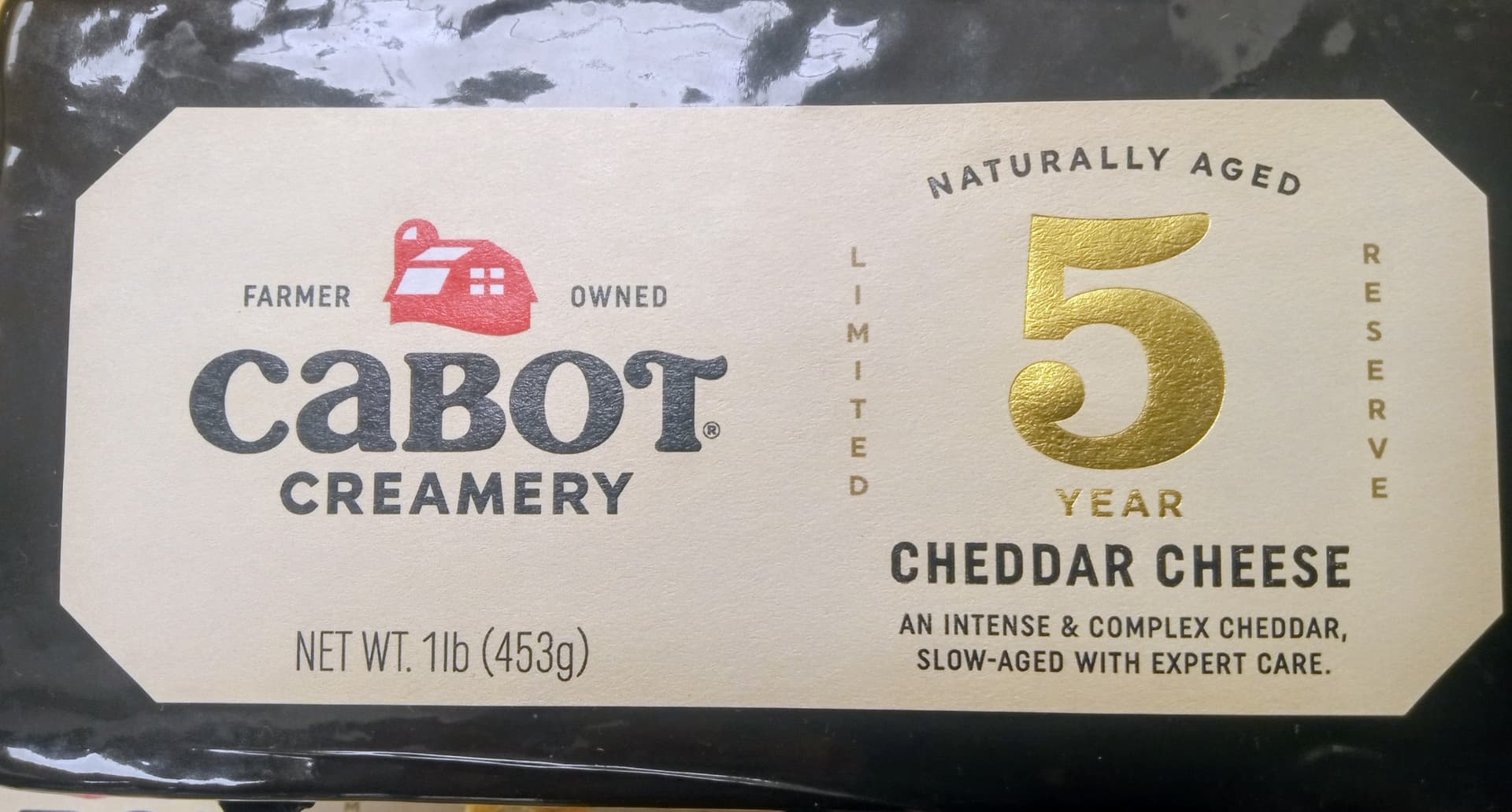
Selection Criteria: Prioritize aged, fermented cheeses (Gouda, Brie, Cheddar, Parmigiano-Reggiano) over processed or fresh soft cheeses.
- Why? Maximizes Spermidine, Vitamin K2, and C15:0 content while minimizing lactose.
- Cream: Use heavy cream (≥30% fat) in coffee/cooking; avoid “half-and-half” or milk with added sugars.
- Stacking: Combine with Vitamin D3 + K2 supplementation to ensure calcium is deposited in bone, not arteries.
Biomarkers (n=1 Verification)
- Lipid Panel (Advanced): Track ApoB and Lp(a) rather than just LDL-C. If ApoB spikes significantly, you may be a hyper-absorber of dietary cholesterol (check ABCG5/8 genes) and should abort.
- Metabolic: HbA1c and Fasting Insulin. Expect these to improve or stay low as dairy fat replaces simple carbs.
- Inflammation: hs-CRP. Should remain <1.0 mg/L if the anti-inflammatory hypothesis holds.
Feasibility & ROI
- Cost: Negligible to Moderate. High-quality cheese is expensive, but calorie-dense.
- Effort: Low. High palatability ensures high adherence.
- ROI: High. A 29% reduction in vascular dementia risk for a dietary tweak is a massive return on investment.
Population Applicability
- Scalable: Yes, for the general population.
- Niche Exception: APOE ε4 carriers should tread carefully. The lipid metabolism in ε4 carriers often handles saturated fats poorly, potentially increasing AD risk via different pathways.
Strategic FAQ
- Lead Author: Dr. Emily Sonestedt
- Question 1: “Given the loss of benefit in APOE ε4 carriers, do you hypothesize the mechanism is strictly lipid-metabolism dependent, or is there a blood-brain barrier transport failure in ε4 carriers that blocks the bioactive peptides?”
- Question 2: “Did you control specifically for Vitamin K2 intake? Could the protection against Vascular Dementia be a proxy for K2-mediated inhibition of vascular calcification rather than the dairy fat itself?”
- Question 3: “How does the C15:0 (Pentadecanoic acid) content of Swedish dairy in the 90s compare to modern grain-fed dairy? Are we seeing a ‘grass-fed’ effect?”
- Question 4: “Is there a threshold effect? Did the data show diminishing returns or increased risk at ‘super-user’ levels (e.g., >100g/day)?”
- Question 5: “Why did low-fat fermented dairy (yogurt/kefir) fail to show benefit? Does this rule out the microbiome/probiotic theory, isolating the benefit solely to the lipid fraction?”
- Question 6: “Did you observe any correlation with IGF-1 levels? High dairy intake raises IGF-1, which is typically pro-aging, yet you found neuroprotection. How do you reconcile this?”
- Question 7: “Was there a difference between hard (aged) vs. soft (fresh) high-fat cheeses in the raw data, or were they pooled?”
- Question 8: “How strongly did ‘education level’ correlate with cheese intake? Are we just measuring the fact that wealthier people eat more Brie and live in safer environments?”
- Question 9: “Given the 25-year gap, how confident are you that baseline diet represents lifetime exposure? Did you have any mid-point data checks?”
- Question 10: “For a clinician treating a patient with high LDL but low inflammation/insulin resistance, would you recommend adding high-fat cheese based on these findings?”
1 Like
The findings go hand in hand with another study published in July, which followed more than 2,900 American adults for more than two decades. That study found people who consumed full-fat dairy had no greater risk of dying from any cause, including heart attacks, than anyone else.