Canagliflozin - Another Top Longevity Drug

According to a 2021 study, empagliflozin is less costly and more effective than canagliflozin and dapagliflozin over shorter durations.

“Empagliflozin was dominant (less costly, more effective) over both canagliflozin and dapagliflozin over the shorter durations. Empagliflozin remained cost-effective relative to SoC over 10 years”

“Patients receiving empagliflozin were predicted to survive longer due to lower rates of CV death versus canagliflozin”

This article compares all three.:
https://www.ncbi.nlm.nih.gov/pmc/articles/PMC8098979/#:~:text=Empagliflozin%20was%20dominant%20(less%20costly%2C%20more%20effective),canagliflozin%20and%20dapagliflozin%20over%20the%20shorter%20durations.

2 Likes

Two caveats:

  1. “in patients with type 2 diabetes and established cardiovascular disease”
  2. In the US (where empagliflozin, dapagliflozin, and canagliflozin cost 10 times more than in Europe)
2 Likes

Ah, and also:

  • “The authors would like to thank Samuel Mettam, formerly of Boehringer Ingelheim, for his contribution to the empagliflozin versus dapagliflozin cost-effectiveness analysis.”
  • “Funding: Sponsorship for this study and article processing charges were funded by Boehringer Ingelheim Pharma GmbH & Co KG of Ingelheim am Rhein, Germany. […] Editorial assistance in the preparation of this article was provided by Janet Dooley of Evidera’s Editorial and Design Services team. Support for this assistance was funded by Boehringer Ingelheim Pharmaceuticals, Inc.”
  • “Competing interests: OSR, SBB, and KF are employees of Evidera, which provides consulting and other research services to the biopharmaceutical industry. ARK and LC were employees of Evidera during the conduct of this study and development of this article, but are now employed elsewhere. In their salaried positions, Evidera employees work with a variety of companies and organizations, and are precluded from receiving any payment or honoraria directly from these organisations for services rendered. Evidera received funding from Boehringer Ingelheim Pharma GmbH & Co KG. EP and AU are current employees of Boehringer Ingelheim Pharma GmbH & Co. KG of Ingelheim am Rhein, Germany. PKG was an employee of Boehringer Ingelheim Pharmaceuticals, Inc. in Ridgefield, Connecticut, USA during the conduct of this study and development of this article, but he is now employed elsewhere.”

Boehringer Ingelheim is, of course, the company behind empagliflozin.

3 Likes

Maybe the funding is suspect but there were many references at the bottom supporting the finding.
When I get the time I will see if I can find some supporting evidence.

2 Likes

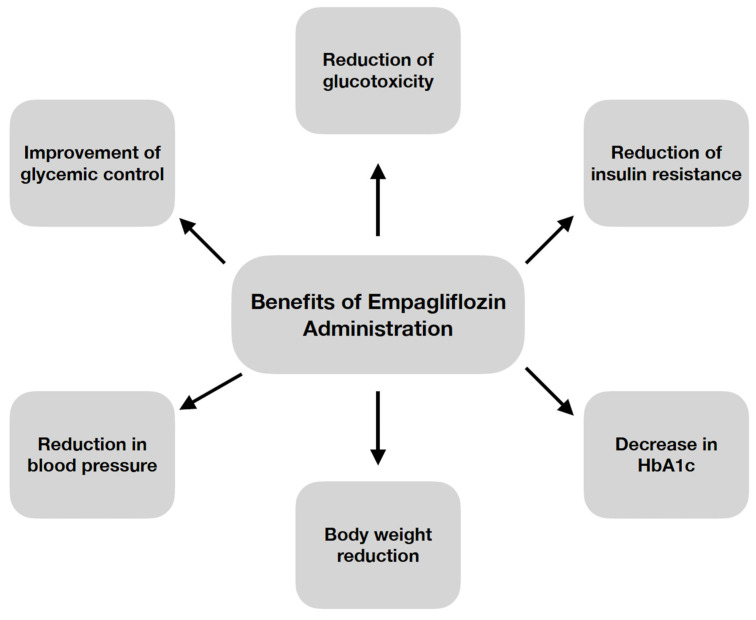
SGLT-2 inhibitors: After reading several papers empagliflozin is my choice.

"Based on the available evidence, empagliflozin appears to have some advantages compared to other SGLT-2 inhibitors:

Higher selectivity for SGLT2 over SGLT1 compared to other SGLT-2 inhibitors

Better efficacy in reducing cardiovascular events and mortality compared to canagliflozin in patients with type 2 diabetes and high cardiovascular risk

Potential added benefits on cognitive and physical function in frail patients

However, there is still limited head-to-head data comparing empagliflozin to other SGLT-2 inhibitors. More research is needed to definitively conclude if empagliflozin is superior."

(From: Dr.Oracle and Bard)

Affiliations

1Department of Pharmaceutical Chemistry, School of Pharmaceutical Education and Research, Jamia Hamdard (Deemed to be University), Hamdard Nagar, New Delhi, 110 062, India. Electronic address: gchawla@jamiahamdard.ac.in.

2Department of Pharmaceutical Chemistry, School of Pharmaceutical Education and Research, Jamia Hamdard (Deemed to be University), Hamdard Nagar, New Delhi, 110 062, India.

1Department of Nephrocardiology, Medical University of Lodz, ul. Zeromskiego 113, 90-549 Lodz, Poland

2Department of Nephrology, Hypertension and Family Medicine, Medical University of Lodz, ul. Zeromskiego 113, 90-549 Lodz, Poland

A complete review of empagliflozin: Most specific and potent SGLT2 inhibitor used for the treatment of type 2 diabetes mellitus. (Diabetes & metabolic syndrome, 2019)

The Sodium-Glucose Co-Transporter 2 (SGLT2) Inhibitor Empagliflozin Reverses Hyperglycemia-Induced Monocyte and Endothelial Dysfunction Primarily through Glucose Transport-Independent but Redox-Dependent Mechanisms. (Journal of clinical medicine, 2023)

New Insights into the Use of Empagliflozin-A Comprehensive Review. (Biomedicines, 2022)

Treatment Effect of the SGLT2 Inhibitor Empagliflozin on Chronic Syndrome of Inappropriate Antidiuresis: Results of a Randomized, Double-Blind, Placebo-Controlled, Crossover Trial. (Journal of the American Society of Nephrology : JASN, 2023)

The SGLT2 inhibitor empagliflozin in patients hospitalized for acute heart failure: a multinational randomized trial. (Nature medicine, 2022)

Empagliflozin: A Review in Type 2 Diabetes. (Drugs, 2018)

Empagliflozin in the treatment of type 2 diabetes: evidence to date. (Drug design, development and therapy, 2015)

Anti-Inflammatory Properties of the SGLT2 Inhibitor Empagliflozin in Activated Primary Microglia. (Cells, 2022)

A comprehensive review of the pharmacodynamics of the SGLT2 inhibitor empagliflozin in animals and humans. (Naunyn-Schmiedeberg’s archives of pharmacology, 2015)

Empagliflozin, an SGLT2 inhibitor for the treatment of type 2 diabetes mellitus: a review of the evidence. (The Annals of pharmacotherapy, 2015)
[/quote]
1 Like

Based on the two NIH ITP studies on lifespan and human MR studies one might actually want some mix of SGLT1i

Is there a reason you feel that some portion of SGLT1i is not good (if one’s goal is longevity)?

Just to be sure: there’s only one NIH ITP study? And there’s also only one MR study that looked at SGTL1i and mortality? (Genetic Variants in SGLT1, Glucose Tolerance, and Cardiometabolic Risk 2018)

On the other hand, because there are no MR studies looking at SGLT2i and mortality (SGLT2i MR papers only look at outcomes like HF, T2D, etc.), we cannot conclude on SGLT2i.

What I find surprising is that if SGLT1i had a significant positive impact on longevity, I would expect to see some signals of canagliflozin outperforming empagliflozin and dapagliflozin in longitudinal studies looking at aging-related diseases such as dementia or depression. (I would expect to see signals in aggregated results of clinical trials as well, but I understand that trials might not be the best way to assess all-cause mortality.) And yet:

I was about to post this paper from last month. Not directly related to your question but it might be a reason to avoid SGLT1i for young men: Deletion of the Sodium Glucose Cotransporter 1 (Sglt-1) impairs mouse sperm movement

We have previously shown that Sglt-1 is expressed in the mouse sperm flagellum and that its inhibition interferes with sperm metabolism and function.
Sglt-1 KO male mice are fertile and exhibit normal sperm counts and morphology. However, Sglt-1 null sperm displayed a significant reduction in total, progressive and other parameters of sperm motility compared to wild type (WT) sperm.
Altogether, these results support an important role for Sglt-1 in sperm energetics and function, providing sperm with a higher capacity for glucose uptake.

2 Likes

I guess I don’t understand your question.

Empagliflozin has little or no effect on SGLT-1.

Empagliflozin inhibits SGLT-2 approx. 2500 than SGLT-1.

Empagliflozin is a potent and competitive SGLT-2 inhibitor with an excellent selectivity profile and the highest selectivity window of the tested SGLT-2 inhibitors.

Empagliflozin, calcium, and SGLT1/2 receptor affinity: another piece of the puzzle - PMC.

2 Likes

Thanks for pointing out these papers.

We have discussed the framework and philosophically different in how to evaluate the longevity potentials of flozins based on the currently available types of data. So don’t think we need to spend more time on rehashing things - unless there is any specific aspect you want to explore more.

I think there are 4 studies.

One has been published in several papers. The second one Richard Miller has said has terrific data for males - even if started later in life:

From R Miller on the Drive with P Attia in December 2023:

Other drugs also work when you begin giving them in old mice

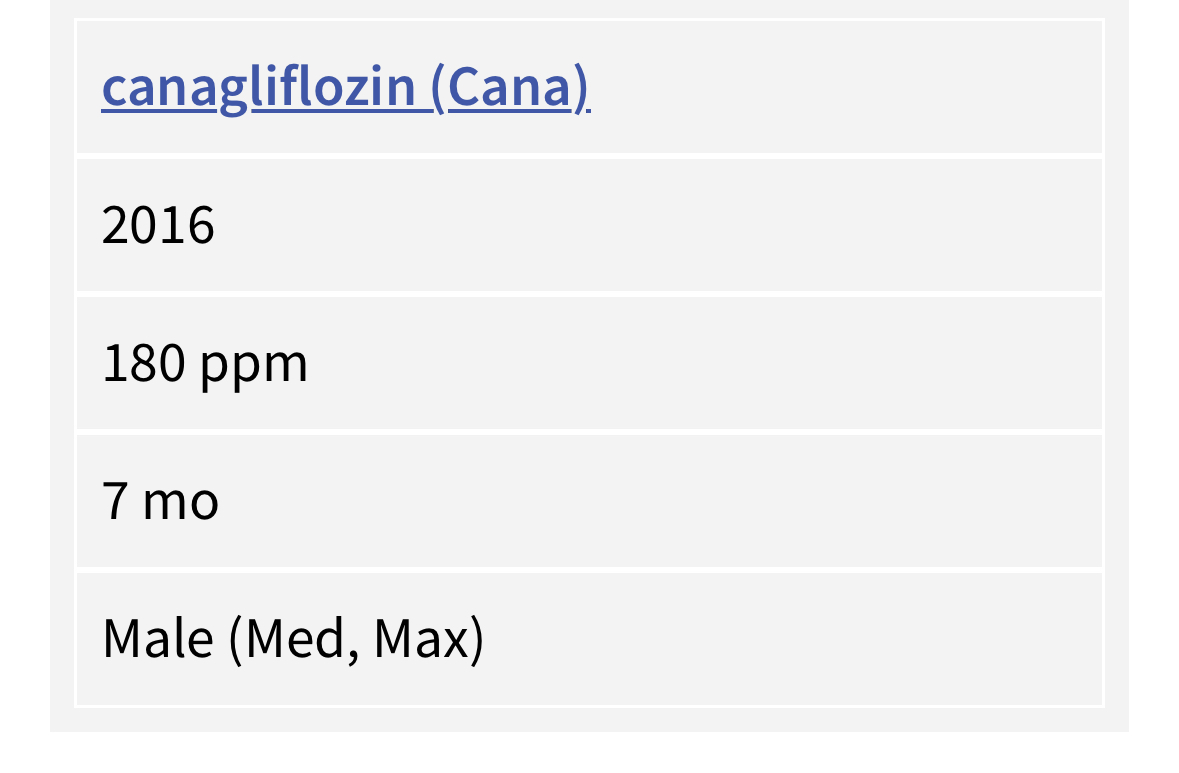
Data on canagliflozin hasn’t been published yet

  • For males, it’s terrific
  • For females, it isn’t good, and they suspect the drug concentrations in the blood of females may be toxic

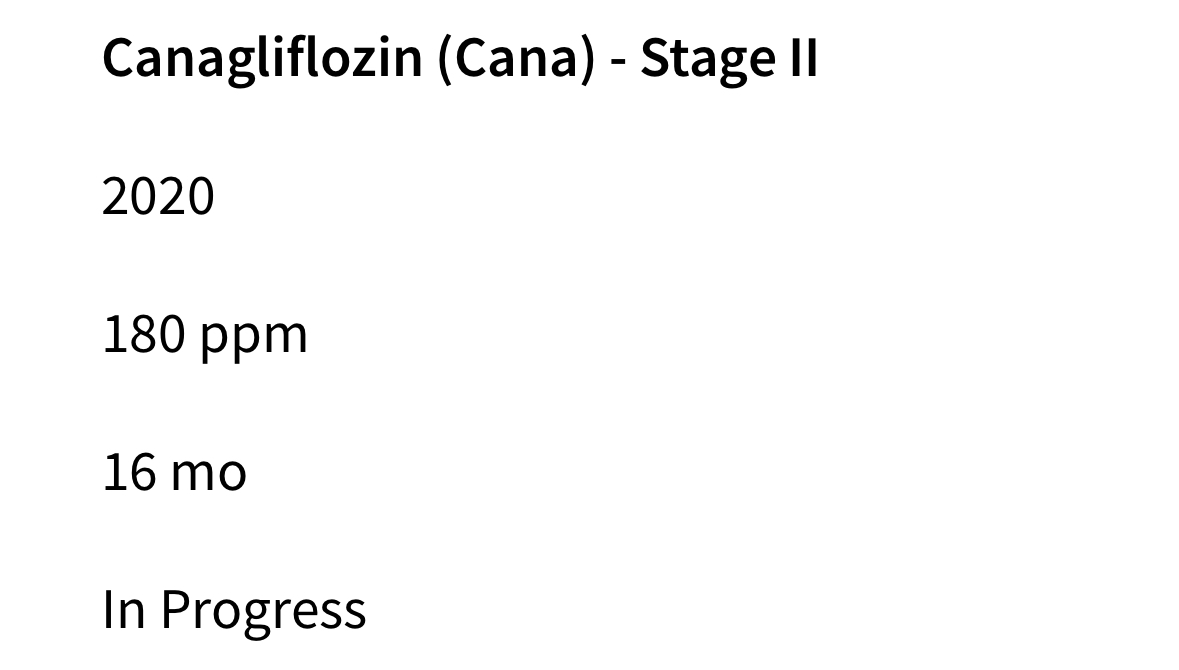
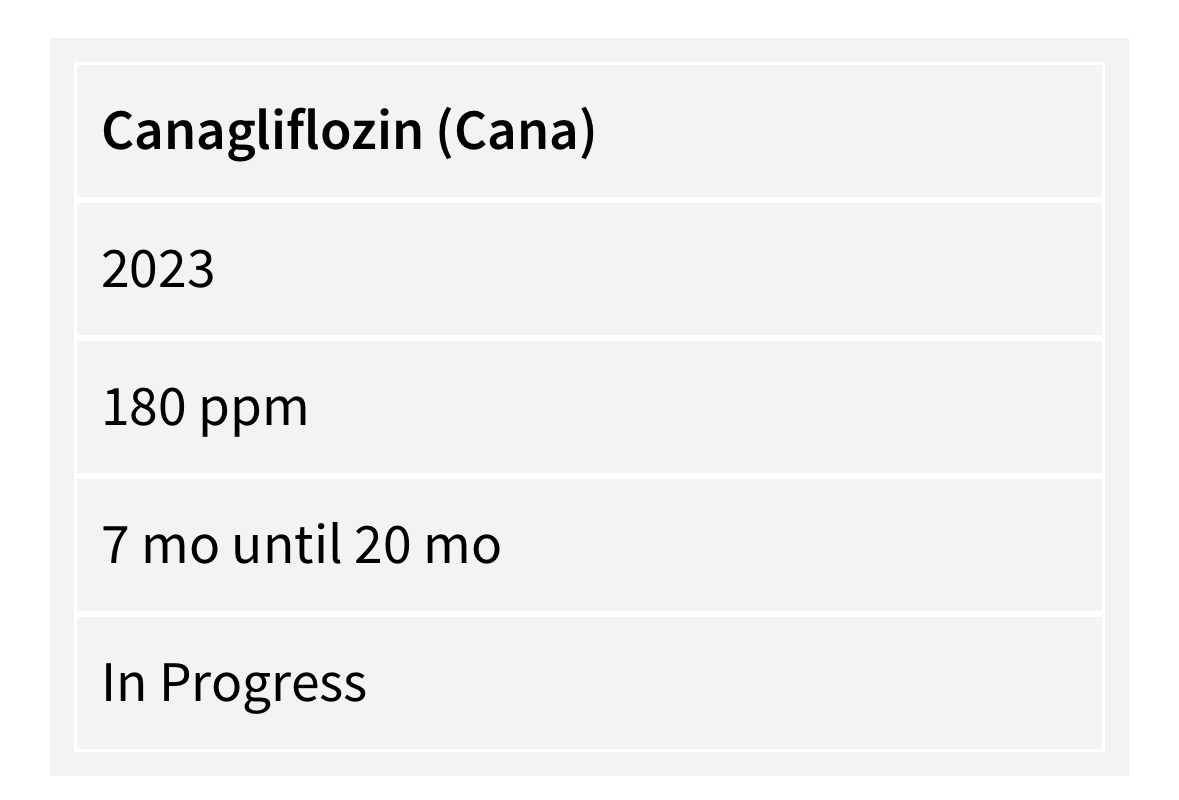
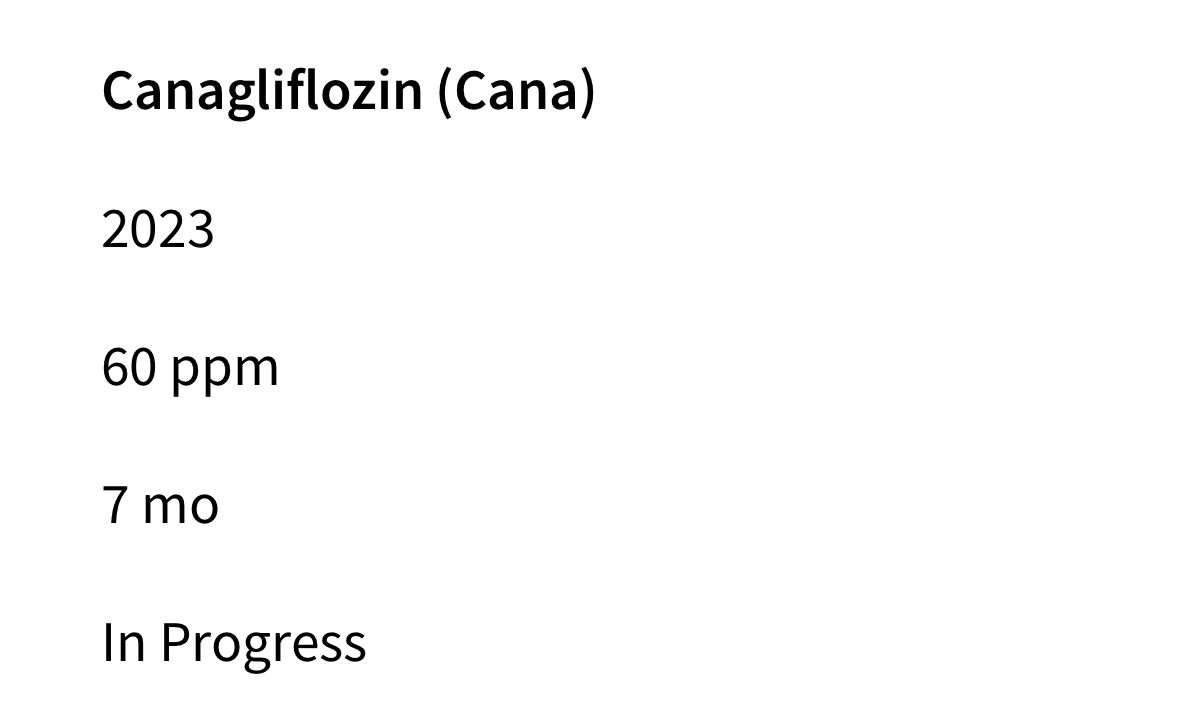
And the NIA ITP committee then further doubled down in 2023 and started two more Cana studies at the same time. Not one more, but two more.


2 Likes

As far as I have seen there are zero MR studies that have a positive mortality effect for SGLT2 while there is one for SGLT1. I cannot remember if there were papers that looked at MR for mortality in SGLT2i and did not find it - do you know?

If I recall correctly there are many more SGLT2 MR studies than there are SGLT1 MR studies and there is massively more big pharma incentives to paint a positive picture for SGLT2 given which products have FDA/EMA etc approval and which products are fighting for market share.

Hopefully we will see someone do mortality/longevity MR with positive results for SGLT2, but it concerning that we have not seen it yet as it would be surprising if no one has looked given how much focus there is on SGLT2 and how much financial pharma interest there is in SGLT2.

You said

Higher selectivity for SGLT2 over SGLT1 compared to other SGLT-2 inhibitors

I’m just asking why you feel that less SGLT1 is good - and if you think that is good from a longevity perspective?

I asked in the context of pointing out that the only cases of casual longevity (ITP and Mendelian Randomization) that we have to date have/are for SGLT1.

I’m not saying there are not other arguments for SGLT2.

Yes, no need to rehash things. Still, I don’t think you previously addressed the specific aspect I mentioned: what could explain canagliflozin and sotagliflozin relative under-performance vs empagliflozin and dapagliflozin in terms of outcomes in various clinical trials and longitudinal studies?

OK I didn’t know you were talking about unpublished and ongoing studies.

Still, it strengthens the case for SGLT2i as much as for 1. I wonder if they considered testing empagliflozin in the ITP, I should maybe do another FOIA request…

Amazing :rocket:

Indeed several SGLT2 MR studies but never looking at mortality, always looking at specific outcomes (T2D, CVD, HF, etc.). These papers were not funded by pharma so I just think they didn’t look at that. Actually, I feel like in general MR studies I read rarely look at mortality. Why? I don’t know :man_shrugging:

1 Like

I’ve actually agreed the whole time that the clinical trials have a lot of merit and that should be weighted in the equation and that in many ways those data sets favor Emp and Dap.

It also seems to be that side effects might also favor Dap and Emp (even if I think the side effects and risks are larger in obese, diabetics that in many of us health optimizers).

Don’t know the literature on the trials well enough to comment in a complete way.

One of many potential reasons is that while there may be positives if SGLT1i since is large mode of action being via the gut, that does mean that there are higher percentages of some GI upset - so it would not surprise me at all if the adherence to taking the medicine as frequently (and at dosages) as prescribed is lower for flozins with more SGLT1i than the more “pure” SGLT2i.

Yes, I think it would really valuable if ITP (or even other groups) could test one of the more pure SGLT2i’s. Seems like there is both mechanistic rationale - how much is the gut modulation/SGLT1i needed or not needed - and clinical reasons - if the safety profile in humans and clinical healthspan/disease avoidance is better without SGLT2i then that would be more relevant for clinical practice. So a strong case could perhaps be put forward.

But there is virtually no suppression of SGLT-1 by empagliflozin.

Yes that is my point: Why do you prefer that one if it doesn’t have hardly any SGLT1i / how do you weigh that factor?
(Since there are ones like Cana that was used and is continuing to be used in NIH ITP, etc).

No need to spend more time on this - just trying to clarify what I want originally was asking.

[quote=“Neo, post:619, topic:91”]
I’m just asking why you feel that less SGLT1 is good
Never said that. Case closed.

Yes I know, my question isn’t “who’s best” but I was trying to steelman the case for SGLT1i and was still blocked on that point.

Let’s imagine the extreme case: SGLT2 is great for some diseases (HF, T2D, CKD, etc.) but in itself isn’t pro longevity (like metformin) whereas SGLT1 is prolongevity. So the positive outcome of the canagliflozin ITP trial is 100% due to SGLT1. Then what could explain sotagliflozin and canagliflozin’s relative underperformance?

  1. As you said, maybe a less favorable safety profile resulting in a lower treatment adherence so lower SGLT2 inhibition and therefore uncontrolled disease (as these trials and longitudinal studies are not done on healthy people),
  2. Maybe sotagliflozin and canagliflozin are not as good SGLT2 inhibitors as dapagliflozin and empagliflozin (in the same way that, for example, losartan isn’t as good as telmisartan) so they cure these patients less and this is not compensated by their SGLT1 longevity properties. For instance, maybe SGLT1 increases lifespan by x% and SGLT2 increases lifespan of people with these diseases by y% but sotagliflozin and canagliflozin do it by y/2% so if x+y/2<y (so x<y/2) we wouldn’t see any positive effect of sotagliflozin and canagliflozin,
  3. As most trials are short and small, their pro longevity effects cannot be seen,
  4. The above objection dose not apply to large longitudinal studies, but I saw where canagliflozin under performed were mostly related to psychoneurological conditions like dementia and depression. Maybe mice don’t suffer from that? Or maybe it doesn’t affect their lifespan much? And the ITP doesn’t measure the cognition of mice?
  5. SGLT1i pro longevity effects might weaken in sick people? In the same way that SGLT2i do not lower your blood sugar once you have CKD and a very lower eGFR. Maybe for whatever reason if you have high Hb A1c it’s harder for SGLT1 to exert its pro longevity effects (whatever they are).

This is all I can think of.

5 Likes

This is an interesting discussion.

I have been prescribed empagligozin since November 2019 for heart failure. For me it has been a life saver. The diastolic dysfunction has improved, I have no longer been rehospitalized, and even my kidney function is better. So the question of longevity linked to SLGT1 is of course an interesting one, but it has to be seen in the context of off-label administration in people with no pathologies.

6 Likes

A lot of good questions. I really don’t have good answers.

Cana did seems to have positive neuro effects, here from Richard Miller, et al:

Neuroprotective effects of Canagliflozin: Lessons from aged genetically diverse UM-HET3 mice

Hashan S M Jayarathne et al. Aging Cell. 2022 Jul.

1 Like

Fill paper here:

https://onlinelibrary.wiley.com/doi/10.1111/acel.13653

1 Like