My view: why take the chance of complications. Just take them away from each other - done. You still get to prime your gut with fermentable dairy probiotics, and then hit it with berries. Of course, I take an extreme biohacking perspective, for ordinary users this is all fiddling at the margins. But hey, it’s a hobby.
3 Likes
Visceral Fat Loss Dictates Long-Term Cognitive Preservation
A sustained reduction in visceral adipose tissue (VAT) provides a neuroprotective effect that persists for up to a decade, operating independently of general weight loss. While the longevity and biohacking communities frequently focus on complex pharmacological interventions for neuroprotection, this research isolates the metabolically active component of abdominal fat as a primary, modifiable driver of structural brain atrophy.
The Follow-Interventions-Trial (FIT) analyzed 533 adults up to 16 years after they completed dietary lifestyle interventions. The data establish a clear divergence between general subcutaneous fat, overall body mass index (BMI), and visceral fat. Participants who successfully reduced and maintained lower VAT area during the interventions exhibited significantly higher total brain volumes, preserved gray matter, and improved Montreal Cognitive Assessment (MoCA) scores years later. Conversely, long-term exposure to high VAT levels accelerated the rate of brain atrophy and ventricular expansion.
Crucially, the mechanism linking VAT to cognitive decline appears rooted in systemic glycemic dysregulation. Among baseline biomarkers, only fasting glucose and HbA1c interacted significantly with time to predict longitudinal brain changes, whereas lipid and general inflammatory markers did not show consistent longitudinal associations.
Source:
- Open Access Paper: Sustained visceral fat loss is associated with attenuated brain atrophy and improved cognitive function in late midlife
- Researchers: This research was conducted collaboratively by researchers at Ben-Gurion University of the Negev (Israel), Harvard T.H. Chan School of Public Health (USA), the University of Leipzig (Germany), and Tulane University (USA).
- Journal: The study is published in Nature Communications. The impact score of this journal is 14.8, evaluated against a typical high-end range of 0–60+ for top general science, therefore this is a High impact journal.
5 Likes
Just a thought on the gloop breakfast. I do it with a greek yoghurt/kefir combo. But also add
chia, flaxseed and frozen pomegranate arils with pomegranate peel powder along with the mixed berries (from freezer)
Chia and flaxseed instead of psilium husk for nutritional value and a good fibre matrix for supporting my urolithin a “metabotype”.
Combined with the kefir they provide a good support for converting the pomegranate arils and pomegranate peel powder into meaningful levels of urolithin a.
If you really want to go to town you can also add wheatgerm for spermidine hitting multiple mitochondrial benefits in one very quick breakfast/snack.
It basically boosts akkermansia, urolothin a, omega 3, butyrates anthocyanins along with 15g + fibre
1 Like
I eat berries with kefir/yoghurt for taste and ease but there does seem to be a net benefit from the combination (at last if you let AI trawl the research) Could you point me to the studies suggestion the net effect is negative for the combination
We live rurally (a distance from grocery shops) so have for years frozen sliced sourdough at home so we can toast ot as needed.
I now realise freezing bread makes the starch resistant. I can’t see any downsides and it seems a very simple win. But welcome any thoughts from the hive mind!
3 Likes
Antioxidant activity of blueberry fruit is impaired by association with milk
“When blueberries and milk were ingested there was no increase in plasma antioxidant capacity. There was a reduction in the peak plasma concentrations of caffeic and ferulic acid (-49.7%, p<0.001, and -19.8%, p<0.05, respectively) as well as the overall absorption (AUC) of caffeic acid (p<0.001). The ingestion of blueberries in association with milk, thus, impairs the in vivo antioxidant properties of blueberries and reduces the absorption of caffeic acid.”
Accessible overview:
My own view: maybe, but why take the chance? YMMV.
1 Like
#1 Meal to Reverse Belly Visceral Fat FAST

I. Executive Summary
The provided transcript outlines dietary interventions targeting visceral adiposity and non-alcoholic fatty liver disease (NAFLD, recently updated in clinical literature to metabolic dysfunction-associated steatotic liver disease, MASLD). The central thesis posits that hepatic steatosis can be rapidly reversed through specific macronutrient and phytochemical modulations, independently of total body weight loss. The speaker highlights dietary polyphenols, increased protein intake, unsaturated fatty acids, and resistant starch (RS2) as primary effectors for hepatic fat oxidation and the suppression of de novo lipogenesis.
While the narrative is largely grounded in established clinical trials—specifically referencing the DIRECT PLUS trial for the Green Mediterranean diet and the DiRECT trial for extreme hypocaloric interventions—it occasionally conflates acute metabolic ward study results with sustainable outpatient protocols. The introductory assertion that visceral fat can be reversed “in weeks with little to no effort” is a hyperbolic marketing hook that contradicts the high-compliance nature of the cited clinical interventions, such as consuming 100 grams of duckweed daily or adhering to a 600-calorie liquid diet.
From a longevity and biotech perspective, the transcript successfully identifies high-yield metabolic pathways. The emphasis on polyphenol-induced metabolic shifts and the microbiome-mediated effects of resistant starch align with current anti-aging research focusing on metabolic flexibility and insulin sensitivity. Furthermore, the explicit warning regarding saturated fats inducing steatosis more aggressively than simple sugars accurately reflects recent human lipidomics data, challenging prevailing low-carbohydrate orthodoxies.
However, the translational gap remains a practical concern. While specific protocols like the RS2 supplementation demonstrate profound clinical efficacy (a 50% reduction in liver fat), commercial availability and long-term human adherence outside trial settings are highly variable. Ultimately, the interventions discussed present a viable, evidence-based roadmap for metabolic rehabilitation, provided the initial hyperbole is discarded and the protocols are integrated into a rigorous, compliance-driven framework. The core utility lies in leveraging specific compounds—catechins, curcumin, and short-chain fatty acid precursors—to modulate the liver’s energy partitioning and inflammatory cascades, thereby expanding healthspan and mitigating the risk of metabolic syndrome-associated morbidities.
II. Insight Bullets
- Visceral adiposity, specifically intrahepatic lipid accumulation, is a primary driver of metabolic syndrome, cardiovascular disease, and type 2 diabetes.
- The Green Mediterranean diet, augmented with high polyphenol intake, significantly outperforms the standard Mediterranean diet in reducing hepatic steatosis.
- Daily consumption of 100 grams of Mankai duckweed and 3-4 cups of green tea doubles liver fat reduction over 18 months compared to standard dietary interventions.
- Dietary polyphenols effectively reduce liver fat independently of caloric restriction or significant total body weight loss.
- Curcumin supplementation, when co-administered with piperine (black pepper) for bioavailability, demonstrates clinical efficacy in reducing liver fat within an 8-week timeframe.
- Matcha provides a higher concentration of catechins than standard green tea due to the ingestion of the entire pulverized leaf.
- Shifting dietary protein intake from 10% to 30% of total calories can reduce liver fat by up to 42% in 21 days.
- High protein intake suppresses hepatic lipogenesis while simultaneously upregulating fat oxidation pathways.
- Extreme hypocaloric interventions (600 kcal/day liquid shakes) can deplete hepatic lipid stores by 30% in just 7 days.
- The 600 kcal/day protocol normalizes fasting blood glucose in type 2 diabetics within one week, highlighting the rapid plasticity of hepatic insulin sensitivity.
- Dietary lipid composition heavily influences intrahepatic fat accumulation; unsaturated fats (olive oil, walnuts, canola oil) promote hepatic fat clearance.
- Saturated fatty acids (butter, palm oil, processed meats) are more steatogenic than simple carbohydrates, driving rapid liver fat accumulation.
- Purified, concentrated fructose in ultra-processed foods heavily promotes hepatic de novo lipogenesis.
- Whole fruit consumption does not induce fatty liver; the intrinsic fiber matrix slows digestion and alters the metabolic handling of endogenous fructose.
- Commercial yogurts and packaged beverages frequently harbor hidden refined sugars, negating their marketed health benefits.
- Unsweetened Greek yogurt paired with allulose or stevia provides a metabolically safe alternative for protein and satiety.
- Choline, highly concentrated in whole eggs, is a requisite micronutrient for hepatic lipid export (VLDL synthesis).
- Resistant starch type 2 (RS2) bypasses enzymatic digestion in the small intestine, acting as a prebiotic substrate in the colon.
- Daily supplementation of 40 grams of RS2 derived from high-amylose corn can reduce liver fat by 50% over four months.
- The RS2 protocol achieved primary endpoints without requiring concurrent modifications to caloric intake or physical activity.
III. Adversarial Claims & Evidence Table
| Specific Claim | What they cited | Verified status + PubMed/DOI Link | Evidence Grade | Verdict |
|---|---|---|---|---|
| Green Med diet + duckweed + green tea doubles liver fat loss vs. Med diet. | A recent 18-month randomized control trial. | Verified: DIRECT PLUS trial. 10.1136/gutjnl-2020-323106 | Level B | Strong Support |
| Curcumin reduces liver fat in 8 weeks. | Unspecified study. | Verified: Multiple RCTs and Meta-analyses exist. 10.1016/j.clnu.2019.03.004 | Level A | Plausible |
| 30% protein diet vs 10% drops liver fat 42% in 3 weeks. | A randomized control trial. | Verified: Markova et al. 10.1053/j.gastro.2016.10.007 | Level B | Strong Support |
| 600-calorie diet melts 30% liver fat in 1 week, 70% in 8 weeks, reverses T2D. | DiRECT trial (Roy Taylor’s team). | Verified: DiRECT trial. 10.1016/S0140-6736(17)33102-1 | Level B | Strong Support |
| Saturated fat leads to liver fat accumulation more than simple sugars. | Randomized trials. | Verified: Luukkonen et al. 10.2337/dc18-0071 | Level B | Strong Support |
| 40g/day of RS2 from corn cuts liver fat in half in 4 months without other changes. | Randomized double-blind placebo-controlled trial. | Verified: Ni et al. 10.1016/j.cmet.2023.08.002 | Level B | Strong Support |
IV. Actionable Protocol (Prioritized)
High Confidence Tier (Level A/B Evidence)
- Macronutrient Repartitioning: Increase dietary protein to 25-30% of total caloric intake. This suppresses endogenous fat production and increases thermogenesis and satiety.
- Lipid Optimization: Strictly substitute saturated fats (butter, lard, palm oil) with monounsaturated and polyunsaturated fats (extra virgin olive oil, walnuts, canola oil).
- Polyphenol Loading: Integrate 3 to 4 cups of green tea or 1 to 2 servings of high-grade matcha daily. Incorporate polyphenol-dense foods such as pecans, artichokes, and dark chocolate (>85% cacao).
Experimental Tier (Level B/C Evidence with High Safety Margins)
- Resistant Starch Supplementation: Incorporate 40 grams of Resistant Starch Type 2 (RS2) daily. Due to limited commercial availability of high-amylose corn RS2, viable alternatives include raw potato starch or green banana flour mixed into cold water (heating destroys the resistant starch matrix).
- Targeted Phytonutrients: Supplement with curcumin (500-1000 mg/day) formulated with piperine or utilizing liposomal delivery systems to overcome poor oral bioavailability.
Red Flag Zone (Safety Warnings)
- Severe Caloric Restriction (600 kcal/day): While highly effective for rapid hepatic lipid clearance, this protocol (DiRECT) carries high risks of lean mass catabolism, gallstone formation, and micronutrient deficiencies. It should only be executed under continuous medical supervision.
- Fructose & Saturated Fat Co-ingestion: The combination of refined fructose (sweetened beverages) and saturated fats (processed meats, pastries) is the most potent driver of hepatic lipotoxicity and must be entirely eliminated from the diet.
V. Technical Mechanism Breakdown
- Hepatic De Novo Lipogenesis (DNL) & Fructose Metabolism: Unlike glucose, which is strictly regulated by phosphofructokinase, fructose metabolism in the liver bypasses this rate-limiting step. It provides an unregulated supply of carbon substrates (acetyl-CoA) that drive DNL. Fructose phosphorylation also aggressively depletes hepatic ATP, generating uric acid, which induces mitochondrial oxidative stress and exacerbates insulin resistance.
- Lipotoxicity of Saturated Fats: Saturated fatty acids (e.g., palmitate) directly induce endoplasmic reticulum (ER) stress and promote the synthesis of toxic lipid intermediates like ceramides and diacylglycerols (DAGs). These intermediates inhibit insulin signaling pathways (specifically interfering with IRS-1 and Akt phosphorylation), rapidly driving hepatic insulin resistance and steatosis.
- Polyphenol Action via AMPK: Polyphenols (such as EGCG from matcha) act as xenohormetic stressors, upregulating AMP-activated protein kinase (AMPK). AMPK activation switches the hepatic metabolic profile from anabolic to catabolic by inhibiting acetyl-CoA carboxylase (ACC), thereby decreasing DNL and upregulating carnitine palmitoyltransferase 1 (CPT-1), which accelerates mitochondrial beta-oxidation of fatty acids.
- Microbiome & Resistant Starch (RS2): RS2 evades human amylase and reaches the colon intact, where it undergoes bacterial fermentation. This yields short-chain fatty acids (SCFAs), primarily butyrate, propionate, and acetate. SCFAs enter the portal circulation, activating hepatic AMP-activated protein kinase (AMPK), modulating bile acid synthesis, and promoting the secretion of GLP-1 from intestinal L-cells. Furthermore, RS2 fermentation lowers colonic pH, inhibiting the growth of pathogenic bacteria and reducing the translocation of lipopolysaccharides (LPS) to the liver, thereby dampening hepatic innate immune activation (Kupffer cell inflammation).
The CRONITE’s are going to know they were here first, with their lean and fit, perhaps robust physique, once everyone has oral retatrutide equivalent + muscle myostatin inhibitor.
1 Like
Just had a DEXA scan this morning, and things are moving in the right direction. I exercise about 4 or 5 times a week, alternating resistance training and cardio. I’m going to try microdosing a GLP1 to see if we can speed the process up a bit on that visceral fat reduction. Will report on my results…
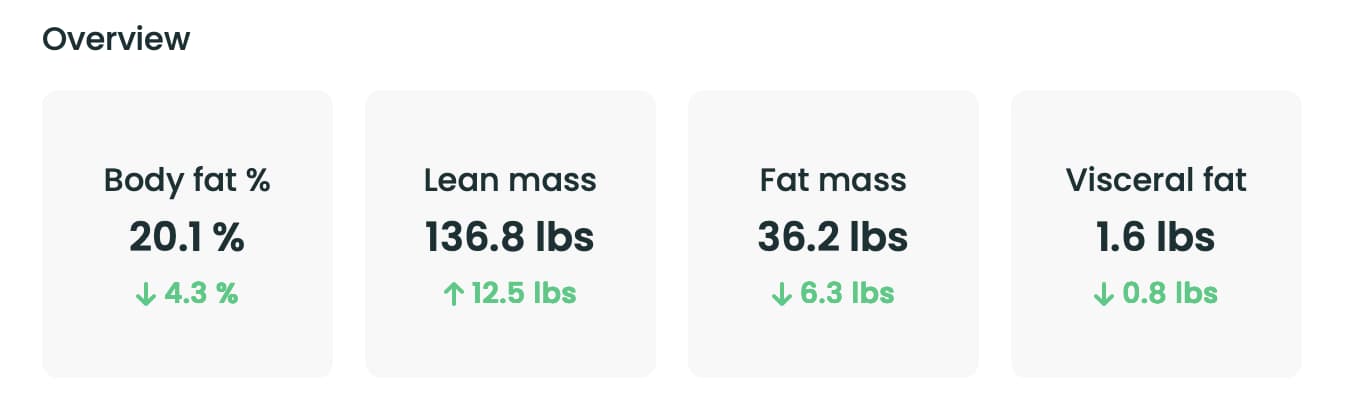
6 Likes
If you can get that body fat down below 15%, you’ll be amazed at how great you look!
3 Likes
its going to happen! Just a matter of time 
2 Likes
How You Gain Visceral Fat & How to Lose it | Dr. Rhonda Patrick & Dr. Andrew Huberman
Executive Summary
This report evaluates the metabolic and systemic implications of visceral adipose tissue (VAT) accumulation as presented by Dr. Rhonda Patrick and Dr. Andrew Huberman. The primary thesis identifies VAT not merely as a storage depot, but as an active endocrine and pro-inflammatory organ that disrupts systemic homeostasis through the unregulated release of free fatty acids (FFAs) and cytokines.
The analysis underscores a critical biological distinction: while subcutaneous fat is responsive to insulin-mediated lipolysis inhibition, VAT exhibits a “lipolytic escape” mechanism. This resistance to insulin allows VAT to continuously release FFAs into the portal circulation, directly antagonizing hepatic insulin receptors and precipitating non-alcoholic fatty liver disease (NAFLD) and peripheral insulin resistance.
Crucially, recent clinical data (Nature Metabolism, 2025) supports the claim that brain insulin resistance can manifest in as little as five days of high-calorie, ultra-processed feeding, even in the absence of measurable weight gain. This “neurometabolic” dysfunction impairs satiety signaling and creates a positive feedback loop for further visceral deposition. Furthermore, sleep restriction—specifically a 4-hour nightly window—has been shown to increase VAT by 11% in just two weeks, indicating that sleep hygiene is a primary metabolic regulator alongside caloric balance.
While the “proxy” thresholds of 35 inches (women) and 40 inches (men) for waist circumference remain clinically valid, the report highlights the “TOFI” (Thin Outside, Fat Inside) phenomenon, where individuals with a normal BMI harbor dangerous VAT levels. Strategic interventions including High-Intensity Interval Training (HIIT) and Moderate-Intensity Continuous Training (MICT) are evaluated as equally effective for VAT reduction, though HIIT offers superior improvements in glycemic control and VO2 max. This analysis concludes that visceral fat management must prioritize metabolic flexibility and circadian regulation over simple weight-centric metrics.
II. Insight Bullets
- VAT as Endocrine Organ: Visceral fat actively secretes hormones and pro-inflammatory cytokines, distinguishing it from inert subcutaneous fat.
- Portal Vein Danger: VAT drains directly into the portal vein, “mainlining” free fatty acids to the liver and triggering insulin resistance.
- Insulin Response Failure: Unlike subcutaneous fat, VAT does not shut down lipolysis effectively in response to insulin spikes.
- Mortality Risk: High VAT levels are associated with a 2x increase in early death risk and a significantly higher (44-100%) risk of obesity-related cancers.
- Neurometabolic Speed: Brain insulin resistance can occur within 5 days of a high-fat, high-sugar diet before any weight gain is detected.
- The TOFI Risk: “Skinny fat” individuals can harbor high VAT, making BMI an insufficient metric for metabolic health.
- Sleep-Driven Accumulation: Shortened sleep (4 hours) increases VAT by 11% in healthy individuals within 14 days (Covassin et al., 2022).
- Menopause Shift: Estrogen loss in women over 50 shifts fat storage from subcutaneous to visceral compartments.
- Waist Proxy: 35 inches (women) and 40 inches (men) are robust proxies for VAT-related health risk (AARP/Manson, 2026).
- Lethargy Cycle: VAT-induced inflammation acts as an “energy sink,” leading to chronic fatigue and energy crashes.
- Reactive Hyperinsulinemia: Insulin resistance leads to overcompensation of insulin, causing blood glucose crashes and subsequent cravings.
- Cortisol Link: Chronically elevated cortisol levels preferentially direct energy storage to visceral depots.
- HIIT Efficacy: HIIT is highly effective for VAT loss and superior to aerobic exercise for reducing fasting glucose (Kramer et al., 2023).
- Satiety Impairment: Brain insulin resistance disables the “stop eating” signal in the hypothalamus.
- Catch-up Sleep Failure: Resuming normal sleep after restriction does not immediately reverse VAT gains.
- Dietary Composition: High saturated fat and refined sugar are the primary drivers of rapid VAT and liver fat gain.
- Liver Storage: Because VAT is adjacent to the liver, excess FFAs force hepatic storage, leading to NAFLD.
- Cancer Mechanism: Chronic inflammation from VAT creates a tumor-promoting environment through DNA damage and hormone disruption.
- Intermittent Fasting (IF): IF is effective for improving insulin sensitivity but long-term fat loss is comparable to continuous caloric restriction.
- DEXA Gold Standard: DEXA scans remain the only reliable direct measure for quantifying VAT vs. subcutaneous fat.
III. Adversarial Claims & Evidence Table
| Claim from Video | Speaker’s Evidence | Scientific Reality (Current Data) | Evidence Grade | Verdict |
|---|---|---|---|---|
| Brain insulin resistance in 5 days. | “Recent Newsletter” / Study citing 5 days overfeeding. | Nature Metabolism (2025) confirmed 5 days of 1500+ kcal (HFHS) disrupted brain insulin action. | B | Strong Support |
| Sleep loss causes 11% VAT increase. | Study on healthy men/sleep restriction. | Mayo Clinic (2022) found 11% VAT increase in 2 weeks of 4h sleep/night. | B | Strong Support |
| High VAT doubles early death risk. | General health statistics. | PubMed (2026) highest VAT quartile associated with 1.7x all-cause and 2.9x cardiometabolic mortality. | A | Strong Support |
| Visceral fat resists insulin lipolysis. | Mechanism of portal circulation. | Well-established; VAT has higher β-adrenoceptor density and lower insulin receptor sensitivity than SAT. | C | Plausible |
| HIIT “powerfully” loses visceral fat. | Anecdotal + Exercise science. | Kramer et al. (2023) Meta-analysis: HIIT is effective but not superior to MICT for fat mass, though better for glucose. | A | Plausible |
IV. Actionable Protocol (Prioritized)
High Confidence Tier (Level A/B Evidence)
- Sleep Minimum: Maintain >7 hours of sleep to prevent the “visceral redirection” of fat. 4-hour nights are a high-risk trigger for rapid VAT accumulation.
- Waist Monitoring: Track waist circumference at the navel. Targets: Men < 40 in, Women < 35 in. For Asian populations, thresholds are lower (Men < 35.5, Women < 31.5).
- Caloric Deficit + Aerobic/HIIT: Combine moderate-intensity cardio (MICT) for sustainability with 1-2 HIIT sessions weekly for maximal glycemic benefit.
Experimental Tier (Level C/D Evidence)
- Intermittent Fasting (Time-Restricted Eating): Use an 8-10 hour feeding window to improve insulin sensitivity, though overall caloric intake remains the primary driver.
- Ultra-Processed Elimination: Aggressively remove HFHS (High Fat, High Sugar) snacks to prevent rapid brain insulin desensitization.
Red Flag Zone (Safety Data Absent)
- “Skinny Fat” Reassurance: Do not rely on a low scale weight. If waist circumference is increasing while weight is stable, metabolic dysfunction is likely present.
- Chronic Cortisol Management: While cortisol is a known driver, specific “anti-cortisol” supplements lack robust Level A/B evidence for VAT reduction.
V. Technical Mechanism Breakdown
The transition from healthy energy storage to visceral pathology centers on Lipolytic Dysregulation:
- Subcutaneous Satiation: Subcutaneous adipose tissue (SAT) acts as a safe metabolic sink. When SAT becomes “full” or dysfunctional (due to inflammation or low estrogen), excess energy is shunted to the visceral depot.
- Insulin Resistance Pathway:
- In SAT: Insulin binds to receptors, inhibiting Hormone-Sensitive Lipase (HSL) and stopping the release of FFAs.
- In VAT: Insulin signaling is weak. HSL remains active, continuously breaking down triglycerides into FFAs.
- Portal Mainlining: These FFAs enter the portal vein and travel directly to the liver.
- Hepatic Impact: The liver is flooded with FFAs, causing Intrahepatic Lipid Accumulation. This induces hepatic insulin resistance, leading to increased gluconeogenesis (high fasting blood sugar) and VLDL secretion.
- Neurological Feedback: High circulating FFAs and cytokines (TNF-α, IL-6) cross the blood-brain barrier, inducing hypothalamic insulin resistance. This blunts the satiety response to meals, driving hyperphagia (overeating) and further fat deposition.
2 Likes
Interesting paper - this alternative paper suggests dairy reduces oxidization of the anthocyanins and so improves bioavailability
“Recent research suggests that while milk might slow down absorption in the stomach, it may actually protect anthocyanins from degrading in the harsh environment of the gut, potentially leading to better absorption later in the digestive tract”
Source: Wiley Online Library https://share.google/5QdgLOguRsh4nQiHZ
But I doubt science has a conclusive answer. Gemini came down on the side of there being a net benefit from combining blueberries and kefir/yoghurt. Enough encouragement for me to keep going!
https://share.google/aimode/MubxTSzQiW6ZNFyy2
The Verdict: The net benefit of eating them together (probiotics + fiber + vitamins + slightly slower-absorbing antioxidants) outweighs the “disbenefit” of the minor antioxidant binding.
But i suspect this won’t be our most critical decision for longevity either way!
1 Like
Do you recall which machine was used in its test. My local university performance lab offers the test for $66. I saw this note when I went up to pay for a test.
We have recently transitioned from a GE DXA system to a Hologic DXA system. It is important to understand that measurements such as bone mineral content (BMC), bone mineral density (BMD), and lean mass can differ between these two systems. Research consistently shows that GE DXA systems tend to report higher values for these measures compared to Hologic systems, even when scans are performed on the same person (Park et al., 2021; Shepherd et al., 2012; Vendrami et al.,2024). These differences are due to variations in hardware, calibration, and proprietary analysis algorithms, and there is currently no universal reference standard that allows direct comparison of results between the two manufacturers (Crabtree et al., 2017; Shepherd et al., 2012; Vendrami et al., 2024).
1 Like
I’ll post more on this later but the lack of concordance between the two machines is as insane as the contrived explanations for the problem. Example: a theoretically true bone mass of 4% could report 3.6-3.4% on one machine, triggering concern and restrictions on weight bearing exercises, while the other machine – run the same day – might report 4.4-4.6%, providing a green light for weight lifting with possible fractures attendant.
2 Likes
2 Likes
Reducing deep stomach fat can improve your brain function, Israeli scientists find
Researchers from Ben-Gurion University of the Negev, Leipzig and Harvard, say visceral fat reduction even for 18 months can decrease cognitive deterioration 5-10 years later
The related research paper:
Sustained visceral fat loss is associated with attenuated brain atrophy and improved cognitive function in late midlife
2 Likes
It Crushes Visceral Fat, But the Scale Barely Moves!
I. Executive Summary
This video analysis by Physionic audits the clinical literature surrounding Tesamorelin (formerly designated TH9507), a 44-amino-acid peptide analogue of endogenous Growth Hormone-Releasing Hormone (GHRH). The central thesis is that Tesamorelin exerts a highly selective, targeted lipolytic effect on visceral adipose tissue (VAT) while leaving standard subcutaneous fat depots largely unaltered and whole-body mass on the scale stable. This weight-neutral body recomposition is mediated by a concurrent increase in total lean mass.
The historical data for Tesamorelin is rooted in HIV-associated lipodystrophy—a condition where early antiretroviral therapies induced severe, unwanted fat redistribution, characteristically presenting as pathological visceral fat accumulation. Visceral fat cells are highly sensitive to growth hormone metrics. Under normal conditions, hypothalamic GHRH binds to pituitary receptors, stimulating pulsatile Growth Hormone (GH) release. GH subsequently drives peripheral lipolysis by signaling fat cells to liberate stored fatty acids for metabolic clearance. In subclinical populations, or those undergoing specific pharmacological strains, this neuroendocrine cascade is impeded.
Tesamorelin acts as a synthetic GHRH mimetic, binding directly to pituitary somatotrophs to rescue and augment pulsatile GH secretion. Downstream, elevated GH prompts the liver to synthesize and release Insulin-like Growth Factor 1 (IGF-1), doubling or tripling baseline values. This rise in IGF-1 stimulates systemic cell growth and increases total lean mass. Appendicular lean mass measurements (excluding the trunk) indicate potential peripheral tissue accrual, though the exact ratio of muscle, bone, or water within this lean mass expansion remains unquantified due to gaps in the current literature.
While the majority of the 11 trials evaluated feature HIV cohorts, recent clinical data confirms these visceral-targeted lipolytic effects extend to non-HIV populations, including “TOFI” (thin outside, fat inside) phenotypes who carry dangerous abdominal fat despite a normal Body Mass Index (BMI).
Safety data over a one-year tracking window demonstrates that Tesamorelin is generally well-tolerated, presenting minor side effects like localized injection-site erythema and transient musculoskeletal aches. However, the peptide induces mild, concurrent elevations in fasting blood glucose, and long-term human safety trials evaluating oncogenic risks remain absent. Although sustained elevations in IGF-1 warrant careful monitoring, current data shows that individual values stay within normal upper physiological ranges, suggesting that for select populations presenting with low growth hormone status or isolated visceral adiposity, the net health benefits of targeted VAT depletion outweigh the potential metabolic risks.
II. Insight Bullets
- The Targeted Lipolysis Recomposition: Tesamorelin systematically depletes visceral adipose tissue without altering subcutaneous fat reserves or shifting total body weight on the scale, resulting in a targeted, weight-neutral body recomposition [[03:14], [03:24]].
- Rescuing the Pituitary Cascade: As a synthetic GHRH analogue, Tesamorelin binds to pituitary receptors to rescue impaired neuroendocrine pathways, triggering a cascade of pulsatile endogenous growth hormone release [[04:14], [04:42]].
- Growth Hormone-Mediated Lipolysis: Elevated GH actively signals visceral adipocytes to break down stored lipids, liberating fatty acids into systemic circulation to clear dangerous abdominal fat accumulations [[04:25], [04:34]].
- The GHRH-Liver-IGF-1 Loop: Pituitary stimulation by the peptide prompts the liver to double or triple baseline production of Insulin-like Growth Factor 1 (IGF-1), a powerful molecule that stimulates cellular growth and protein synthesis [[05:11], [05:19]].
- Lean Mass Expansion Context: The preservation of body weight during extensive visceral fat loss is mediated by a concurrent increase in lean mass, though the exact ratio of skeletal muscle to bone or water remains uncharacterized [[03:34], [05:01]].
- The Appendicular Lean Mass Proxy: Volumetric measurements excluding the trunk (appendicular lean mass) demonstrate clear peripheral tissue growth, suggesting potential positive gains in skeletal muscle structure [[05:35], [05:44]].
- The HIV Lipodystrophy Origin: Tesamorelin was originally developed to treat HIV-associated lipodystrophy, an endocrine complication where early antiretroviral drugs caused severe fat redistribution and lipolytic failure [[03:50], [03:57]].
- The TOFI Phenotype Utility: Tesamorelin’s selective action makes it a highly effective tool for “TOFI” (thin outside, fat inside) phenotypes who present with low growth hormone status and high visceral adiposity despite maintaining a normal body weight [[09:32], [09:45]].
- Baseline-Dependent Efficacy: Randomized, placebo-controlled data demonstrates a direct, linear relationship between a patient’s baseline visceral adiposity and their treatment outcomes; individuals carrying the highest initial visceral fat burden experience the greatest relative benefit from the peptide [[02:26], [02:41]].
- Non-HIV Cohort Translation: Although the bulk of historical data focuses on HIV populations, recent clinical trials confirm that Tesamorelin’s selective visceral fat depletion translates successfully to non-HIV cohorts [[07:04], [07:19]].
- Mild Glycemic Disruption: Tesamorelin use causes a small but consistent increase in fasting blood glucose levels, requiring routine metabolic monitoring during active treatment cycles [[08:31], [08:39]].
- Transient Adverse Events: Documented short-term side effects are mild and include localized injection-site swelling, erythema, and transient musculoskeletal aches [[08:24], [08:31]].
- The Long-Term Oncogenic Gap: Human clinical safety data for Tesamorelin is currently capped at a one-year testing window; consequently, the long-term safety profile and potential oncogenic risks associated with sustained IGF-1 elevation remain uncharacterized [[08:42], [08:47]].
- Physiological Safety Boundaries: While Tesamorelin dramatically upregulates IGF-1 production, individual biomarker values generally remain within normal upper physiological ranges, reducing the immediate risks of pathological acromegaly [[08:56], [09:02]].
- Targeted Patient Demographics: Due to its selective, weight-neutral mechanisms, Tesamorelin serves as a highly specialized prescription peptide for two distinct groups: individuals with verified growth hormone deficiency, and normal-weight patients seeking to clear dangerous visceral fat [[09:17], [09:32]].
IV. Actionable Protocol
High Confidence Tier (Backed by Level A/B Human Evidence)
- Utilize Tesamorelin for Isolated Visceral Depletion: For individuals presenting with high visceral adiposity but a normal BMI (the TOFI phenotype), consider Tesamorelin as a targeted option to clear internal abdominal fat without causing further subcutaneous fat loss or muscle wasting [[03:24], [09:45]].
- Establish Verified Growth Hormone Deficiencies Prior to Treatment: Do not self-prescribe Tesamorelin for general weight loss. Ensure a qualified physician runs a dynamic growth hormone stimulation panel to verify an actual neuroendocrine or pituitary deficiency before initiating therapy [[07:28], [09:17]].
- Monitor Glycemic Stability Routinely: Because GHRH analogues induce a mild increase in fasting blood glucose, establish a baseline metabolic panel and regularly track your HbA1c and fasting glucose levels throughout active treatment cycles [[08:31]].
Experimental Tier (Translational Peptide Guidelines with High Safety Margins)
- Track the IGF-1 Velocity Envelope: Monitor your systemic IGF-1 values every 8 to 12 weeks during treatment. Ensure that while the liver accelerates IGF-1 production to expand lean mass, individual values remain safely within normal upper physiological limits to mitigate off-target proliferative risks [[05:19], [08:56]].
- Manage Injection Purity and Sterility: Because Tesamorelin is delivered via subcutaneous injection, follow strict aseptic techniques. Rotate your injection sites regularly and monitor local tissues for mild erythema or transient swelling [[08:24]].
Red Flag Zone (Claims Contradicted by Data or Lacking Safety Evidence)
- Do Not Rely on Tesamorelin for Total Weight Loss: Avoid using Tesamorelin expecting significant drops on a standard bathroom scale. The peptide drives a weight-neutral body composition shift, replacing visceral fat mass with expanded lean mass [[03:14], [03:34]].
- Avoid Unmonitored Use Beyond One Year: Do not extend Tesamorelin cycles past a 12-month window without direct oncological and metabolic oversight. Long-term human trials evaluating the potential cancer risks of sustained IGF-1 up-regulation are currently absent [[08:42], [08:56]].
- Never Purchase Research-Grade Peptides Online: Absolutely refuse to buy non-regulated, “research-use-only” Tesamorelin from online chemical suppliers. Bypassing human-grade compounding pharmacy standards introduces severe risks of pathogenic contamination and heavy metal impurities [[24:04]].*
V. Literature Verification & Methodological Context
The endocrinological mechanisms, tissue-specific lipolytic responses, and safety tracking profiles associated with Tesamorelin are heavily validated across peer-reviewed metabolism and regulatory literature.
- Visceral Adiposity Depletion in HIV and Non-HIV Cohorts: The clinical efficacy of Tesamorelin in targeting visceral fat is rooted in large-scale multi-center randomized controlled trials. Landmark studies published in The New England Journal of Medicine and JAMA confirm that 2 mg daily subcutaneous doses of Tesamorelin significantly reduce visceral adipose tissue (measured by CT scans) by an average of 15% to 18%, while preserving subcutaneous fat depots across both HIV lipodystrophy patients and non-HIV cohorts presenting with abdominal obesity (Falutz et al., 2007; Stanley et al., 2014).
- The GHRH-GH-IGF-1 Signaling Axis: The molecular pharmacology of Tesamorelin as a stabilized GHRH analogue is well-documented. By resisting rapid enzymatic degradation by dipeptidyl peptidase-4 (DPP-4), Tesamorelin maintains a significantly longer half-life than native GHRH, allowing it to effectively stimulate pituitary somatotrophs to synthesize and release growth hormone, which subsequent drives hepatic IGF-1 expression (Mangili et al., 2006).
- Glycemic Dynamics and Long-Term Safety Gaps: The warning regarding mild glycemic disruption is supported by formal FDA advisory briefings. Clinical trial endpoints show that intensive growth hormone upregulation can antagonize peripheral insulin signaling, driving minor elevations in HbA1c and blood glucose. Furthermore, while short-term data confirms values remain within safe physiological limits, the Endocrine Society notes that multi-year long-term safety data evaluating the downstream oncogenic risks of persistent IGF-1 elevations is still required (Spooner & Perry, 2011).
Methodological Caveat: While Tesamorelin is a highly effective, FDA-approved therapeutic for clearing dangerous visceral adipose tissue and improving lipid profiles in verified clinical cohorts, it functions as an artificial neuroendocrine modifier. It cannot replace foundational lifestyle habits, and cessation of the peptide without concurrent caloric and exercise management results in a rapid return of visceral fat to baseline levels.
1 Like
Post-Diet Weight Regain Does Not Erase the Legacy Longevity Benefits of Visceral Fat Loss
For decades, the standard narrative in metabolic health has been discouragingly simple: if you lose weight and subsequently regain it, you have erased your progress. However, an exceptional long-term tracking study published in the journal Circulation strongly suggests this scale-centric view is fundamentally flawed. Researchers conducted a 5- and 10-year magnetic resonance imaging (MRI) follow-up of 366 participants from two rigorous 18-month dietary and physical activity interventions: the CENTRAL and DIRECT-PLUS trials. The results expose a profound metabolic phenomenon: a structural “legacy effect” of localized fat loss that persists even when total body weight returns to baseline.
Participants in the original trials adhered to varying strategies, including low-fat protocols and polyphenol-enriched “Green” Mediterranean diets combined with exercise, achieving substantial initial reductions in both abdominal and organ-specific ectopic fat depots. Over the subsequent decade, as lifestyle vigilance naturally waned, the cohort experienced complete average weight regain. Crucially, however, the fat did not distribute itself uniformly back into the body.
Using high-resolution 3T MRI, investigators discovered that deep and superficial subcutaneous adipose tissues (SAT), along with the highly hazardous visceral adipose tissue (VAT) encasing internal organs, partially maintained their intervention-induced reductions. Conversely, ectopic fat accumulated inside organs behaved far more systematically: intrahepatic (liver) fat returned entirely to pre-intervention baselines, while intrapancreatic fat was fully and excessively regained.
The critical takeaway for healthspan extension is that net scale weight is a deceptive metric for metabolic profiling. The persistent reduction of the visceral fat pad independent of total weight regain means the metabolic burden on systemic vasculature remains permanently altered. Deflating this specific pathogenic fat depot permanently downregulates long-term risks of metabolic breakdown, establishing visceral adiposity—rather than generic body mass index (BMI)—as the ultimate target for durable cardiometabolic longevity.
Actionable Insights
-
Target Visceral Fat, Ignore the Scale: Do not abandon lifestyle adaptations if weight fluctuates or returns. The structural modification of your visceral fat pad yields multi-year systemic protection regardless of total subcutaneous mass.
-
Quantify the Visceral Target: Aim for a minimum baseline reduction of 10% in visceral adipose tissue. The study establishes that a 10% structural reduction in VAT delivers a 28% lower risk of developing type 2 diabetes (Hazard Ratio: 0.72) over a 5- to 10-year horizon.
-
Deploy Specific Protocols for Depot Maintenance: Incorporate polyphenol-rich, carbohydrate-restricted Mediterranean dietary patterns and consistent physical activity. Higher physical activity scores at follow-up were independently associated with suppressed pancreatic fat accumulation, while high Mediterranean diet adherence specifically mitigated intrahepatic fat re-accumulation.
-
Utilize Waist Circumference over BMI: In clinical or home tracking where MRI scans are inaccessible, utilize precise waist circumference tracking as a proxy vital sign. Waist circumference partially preserved its intervention-induced improvements over the 10-year tracking period, serving as a reliable indicator of internal abdominal fat preservation despite weight regain.
Source:
Open Access Paper: Lifestyle-Induced Visceral Fat Loss as a Key Target for Durable Cardiometabolic Health: MRI-Assessed 5- and 10-Year Follow-Up After 2 Clinical Trials
- Institutions: The Health & Nutrition Innovative International Research Center, Ben-Gurion University of the Negev (Israel); Soroka University Medical Center (Israel); Harvard T.H. Chan School of Public Health (USA); University of Leipzig (Germany).
- Country: Israel, United States, Germany.
-
Journal Name: Circulation.
Impact Evaluation: The impact score of this journal is 35.5, evaluated against a typical high-end range of 0–60+ for top general science, therefore this is an Elite impact journal.
This is the only source of duckweed I could find. Also known as wolffia globosa, it goes for $10 an ounce. Reta is cheaper and probably more effective.
1 Like