Aging Research and Drug Discovery Meeting. ARDD 2026 Videos and Summaries

Vadim Gladyshev at ARDD2026: Measuring, targeting and understanding aging
I. Executive Summary

Dr. Vadim Gladyshev of Harvard Medical School and Brigham and Women’s Hospital presents a unified mechanistic framework redefining mammalian aging from phenomenological decline into a quantifiable, multi-scale biological trajectory. Central to this paradigm is the deleteriome—the continuous accumulation of molecular damage that initiates at an embryonic nadir early in development and advances across life, driving the progressive erosion of chromatin regulatory architecture (Yücel et al., 2026). Gladyshev asserts that clinical disease is not an autonomous biological entity; rather, disease represents accelerated, uncoordinated organ-specific aging whose functional divergence disrupts whole-body systemic homeostasis. Modulating lifespan operates across three distinct tiers: physiological remodeling via metabolic interventions, preemptive organ-specific targeting before overt pathology manifests, and radical lifespan extension requiring systemic cellular rejuvenation.

Comparative evolutionary genomics reveals a major translational gap: natural longevity signatures across long-lived mammals do not correlate with laboratory-engineered life-extension models (Tyshkovskiy et al., 2023). While laboratory research perturbs isolated metabolic targets, evolution shapes maximum species lifespan through simultaneous, multi-network adaptations across thousands of regulatory nodes. To capture these systemic networks, the Gladyshev laboratory developed high-throughput computational platforms, including TACO (Transcriptomic Age Calculator Online) and ClockBase, utilizing machine learning to screen thousands of compounds and identify scalable longevity interventions.

Addressing systemic rejuvenation, Gladyshev presented empirical data from heterochronic cervical two-heart transplantation models in mice alongside human cardiac transplant records. While aged donor hearts placed in youthful systemic circulation undergo marked biological rejuvenation, and youthful hearts grafted into aged hosts rapidly assimilate older biological ages, the donor organ produces no reciprocal effect on the host’s systemic biological age in blood, liver, or native myocardium. These findings disprove hypotheses that localized tissue replacement or single-organ substitution can drive organismal rejuvenation. Gladyshev concludes that biogerontology must shift from reductionist single-target drug discovery toward “biological state discovery,” mapping multi-dimensional phenotypic trajectories in latent space using paired, longitudinal, multimodal data factories rather than literature-biased language models.

II. Insight Bullets

  • Molecular damage accumulation—defined as the deleteriome—initiates at a distinct nadir during early embryogenesis and rises continuously across the lifespan (Yücel et al., 2026).
  • Biological aging represents the progressive erosion of regulatory constraints established during development,manifesting as a loss of chromatin architecture and cellular identity (Yücel et al., 2026).
  • Lifespan control strategies divide into three operational tiers: physiological remodeling, preemptive organ-specific targeting, and radical systemic rejuvenation.
  • Evolutionary selection modulates maximum species lifespan across mammals by more than 60-fold, yet the multi-network genomic programs governing these differences remain largely uncharacterized.
  • Natural evolutionary signatures of longevity across mammalian species show zero correlation with the transcriptomic signatures induced by laboratory life-extending interventions (Tyshkovskiy et al., 2023).
  • Laboratory life-extension models typically perturb isolated downstream metabolic genes, whereas nature shapes species longevity through simultaneous, highly coordinated multi-system adaptations (Tyshkovskiy et al., 2023).
  • An in silico screen of 4,000 small molecules against mammalian longevity signatures identified 10 candidate compounds, 5 of which extended lifespan and improved frailty in mice at Retro Biosciences.
  • Transcriptomic profiling via RNA sequencing provides an accessible, high-throughput substrate for quantifying biological age and modeling remaining mortality risk across tissues and species.
  • The Transcriptomic Age Calculator Online (TACO) provides an interactive computational platform to calculate chronological and mortality-calibrated biological age across 25 mammalian tissues (Tyshkovskiy et al., 2024).
  • Tissues affected by chronic age-related pathologies consistently exhibit accelerated transcriptomic biological age compared to age-matched healthy controls.
  • High-throughput analysis of public gene expression repositories via ClockBase reveals that the vast majority of genetic disruptions, diseases, and chemical exposures accelerate biological age rather than reverse it.
  • In a two-heart heterochronic cervical transplantation mouse model, grafted donor hearts rapidly assimilate the biological age of the recipient organism.
  • Aged murine hearts transplanted into young or middle-aged recipients undergo significant biological rejuvenation,whereas young hearts grafted into aged hosts rapidly accelerate in biological age.
  • Heterochronic heart transplantation produces no reciprocal rejuvenation in the recipient animal, with blood, liver,and native cardiac tissues maintaining their original biological age.
  • Retrospective analysis of human heart transplants at Brigham and Women’s Hospital confirms that grafted human donor hearts directionally track recipient age, suggesting older donor organs retain capacity for functional rejuvenation in younger bodies.
  • Single-cell imaging and transcriptomic deconvolution demonstrate that graft rejuvenation involves intrinsic parenchymal cell reprogramming rather than simple recipient immune cell infiltration.
  • Pan-mammalian profiling across 50 distinct organ-, tissue-, and organelle-specific clocks confirms that distinct physiological subsystems age at divergent rates within the same individual.
  • Multi-organ biological age clocks developed in collaboration with Insilico Medicine successfully quantify organ-specific biological age reductions in response to targeted pharmacological interventions.
  • Longitudinal cohort analyses from the UK Biobank demonstrate that individual deviations in biological age relative to chronological age remain persistently elevated or suppressed over multi-year follow-up.
  • Evaluating longitudinal sampling deltas before and after drug administration allows researchers to isolate true causal pharmacologic age modulation from baseline disease-associated confounding.
  • Integrating high-density circulating proteomics with clinical and phenotypic biomarkers substantially improves biological age prediction accuracy while reducing mean absolute error.
  • Multimodal machine learning platforms integrating up to eight biological layers—including transcriptomics,proteomics, metabolomics, retinal imaging, DEXA scans, and electronic health records—provide a comprehensive readout of systemic aging trajectories.
  • Algorithmic time-to-event modeling captures female reproductive senescence, identifying an acute non-linear acceleration in biological aging localized around menopause at age 50.
  • Clinical disease represents localized, accelerated organ-specific aging whose altered physiological output disrupts whole-body systemic homeostasis.
  • The geroscience therapeutic paradigm must transition from single-target pharmacology toward “biological state discovery” to map and redirect multi-dimensional phenotypic trajectories in latent space.
  • Training biomedical artificial intelligence models exclusively on published scientific literature reinforces historical research biases, underscoring the necessity of automated “data factories” that generate paired, multimodal ground-truth datasets.
Johan Luthman at ARDD2026: What can be done to the aging brain

I. Executive Summary

At the Aging Research and Drug Discovery (ARDD) 2026 conference, Dr. Johan Luthman, Executive Vice President of Research and Development at H. Lundbeck A/S, delivered an empirical evaluation of the therapeutic challenges confronting brain aging and neurodegenerative disease. Adult central nervous system neurons are post-mitotic structures formed during embryogenesis, leaving the mature human brain with negligible endogenous neurogenic capacity to reconstitute lost cellular architecture. Consequently, brain senescence represents the defining bottleneck for meaningful human longevity—encapsulated by the core query: “Why live long when your brain is gone?” Physiological brain aging exhibits a continuous morphological trajectory characterized by progressive cortical volume loss, ventricular expansion,cerebral microbleeds, and white matter hyperintensities. This subclinical decay progresses into the “frail brain”—a state of depleted functional reserve highly vulnerable to acute decompensation, such as delirium—and ultimately culminates in fatal chronic proteinopathies, including Alzheimer’s disease, Parkinson’s disease, and Multiple System Atrophy.

Luthman provided a critical post-mortem of high-profile translational failures, notably the landmark EVOKE and EVOKE+ Phase 3 trials conducted by Novo Nordisk. Despite robust epidemiological associations between incretin therapy and reduced dementia incidence in metabolically impaired cohorts, oral semaglutide completely failed to slow cognitive or functional decline in patients with established early Alzheimer’s disease (AD/PD 2026 Trial Readout). This clinical discordance highlights two major translational barriers: the inability of peripheral metabolic agents to cross the blood-brain barrier to modulate deep neocortical neuroinflammation, and the fundamental distinction between midlife preventative risk reduction and late-stage neurodegenerative intervention.

While second-generation anti-amyloid monoclonal antibodies such as lecanemab effectively clear fibrillar parenchymal plaques and moderately decelerate clinical progression by 25% to 35% at the cohort level (van Dyck et al., 2023), they provide no symptomatic recovery and do not arrest underlying disease. Real-world dementia care is driven by severe neuropsychiatric symptoms—such as agitation and aggression—rather than isolated cognitive deficits, validating the necessity of symptomatic behavioral stabilization via targeted partial dopamine agonists like brexpiprazole (Lee et al., 2023). Luthman concluded that altering neurodegenerative trajectories requires expanding beyond amyloid into non-amyloid proteinopathies, deploying high-precision plasma p-tau217 screening in pre-symptomatic secondary prevention,and adopting Bayesian adaptive trial architectures to accelerate translational drug discovery.

II. Insight Bullets

  • Adult mammalian neurons are predominantly post-mitotic cells formed during embryogenesis, leaving the mature human brain with negligible endogenous neurogenic stem cell capacity to reconstitute lost cortical architecture.
  • Chronological brain aging is characterized by progressive cortical volume loss, compensatory ventricular enlargement, microvascular microbleeds, and white matter hyperintensities visible on magnetic resonance imaging.
  • The clinical state of the “frail brain” represents an unaddressed transition zone of subclinical structural vulnerability where minor physiological or metabolic stressors trigger acute decompensation, such as delirium.
  • According to global epidemiological data from the Lancet Commission, up to 45% of dementia risk is modifiable through lifetime behavioral factors, leaving more than 50% driven by non-modifiable biological aging processes (Livingston et al., 2024).
  • The socioeconomic and physical burden of neurodegenerative disease disproportionately falls upon familial caregivers—predominantly adult daughters—creating an unsustainable generational healthcare crisis.
  • In acute ischemic stroke, clinical outcomes depend on baseline functional reserve and residual neuroplasticity,while acute pharmacological neuroprotective agents have consistently failed in clinical development, leaving thrombolytics and thrombectomy as the sole interventions.
  • Therapeutic strategies in chronic neurodegeneration divide into three distinct pharmacological categories:symptomatic elevation, disease-modifying trajectory deceleration, and cellular restoration or rejuvenation.
  • Slow-wave sleep and circadian alignment are physiologically necessary for glymphatic clearance, which drives convective interstitial fluid exchange to eliminate neurotoxic metabolites including amyloid-beta and tau (Xie et al., 2013).
  • In the landmark EVOKE and EVOKE+ Phase 3 clinical trials conducted by Novo Nordisk, the oral GLP-1 receptor agonist semaglutide failed to demonstrate clinical efficacy in slowing cognitive decline in symptomatic early Alzheimer’s disease (AD/PD 2026 Trial Readout).
  • The failure of GLP-1 receptor agonists in symptomatic Alzheimer’s trials underscores the critical distinction between epidemiological prevention in metabolically impaired cohorts and therapeutic disease modification once neurodegenerative cascades are active.
  • Peripheral incretin therapeutics exhibit poor blood-brain barrier permeability, restricting their central pharmacological direct action primarily to fenestrated hypothalamic regions rather than diffuse neocortical neuroinflammatory networks.
  • Anti-amyloid monoclonal antibodies like lecanemab, developed by Eisai and Biogen, achieve robust clearance of fibrillar parenchymal plaques (“brainwash”) while slowing the rate of clinical decline by 25% to 35% on the Clinical Dementia Rating-Sum of Boxes (van Dyck et al., 2023).
  • While a 25% to 35% reduction in clinical decline represents a statistically significant cohort-level disease-modifying effect, it does not restore lost cognitive function or provide perceptible symptomatic relief to individual patients and caregivers.
  • High-affinity amyloid clearance therapies carry substantial clinical risks of amyloid-related imaging abnormalities (ARIA), encompassing parenchymal vasogenic edema (ARIA-E) and cerebral microhemorrhages or superficial siderosis (ARIA-H).
  • High-precision blood-based biomarkers, particularly the ratio of phosphorylated tau 217 (p-tau217), achieve diagnostic accuracy exceeding 90% in detecting brain amyloidosis, significantly reducing the procedural burden of PET scans and lumbar punctures (Palmqvist et al., 2024).
  • The transformative clinical window for anti-amyloid therapeutics lies in asymptomatic secondary prevention trials (such as the AHEAD 3-45 study) that treat biomarker-positive individuals before irreversible synaptic and neuronal loss occurs.
  • Severe neuropsychiatric symptoms, specifically physical agitation, verbal aggression, and refractory distress,represent the primary clinical drivers of home-care failure and nursing home institutionalization in dementia.
  • Brexpiprazole, an atypical antipsychotic featuring partial dopamine D2 receptor agonism developed by Otsuka Pharmaceutical and H. Lundbeck A/S, became the first FDA-approved pharmacotherapy specifically indicated for agitation associated with Alzheimer’s dementia (Lee et al., 2023).
  • Over twenty years of clinical development on monoclonal antibodies targeting extracellular tau protein have yielded consistent negative results, shifting translational research toward antisense oligonucleotide approaches.
  • In genetic amyotrophic lateral sclerosis (ALS) driven by SOD1 mutations, the intrathecal antisense oligonucleotide tofersen demonstrates durable biomarker suppression of plasma neurofilament light chain and clinical stabilization (Miller et al., 2022).
  • Multiple System Atrophy (MSA) is a rapid, fatal neurodegenerative disease presenting as cerebellar ataxia (MSA-C) or parkinsonism (MSA-P) that results from a relatively pure alpha-synuclein proteinopathy compared to the mixed neuropathology of Parkinson’s disease.
  • H. Lundbeck A/S, in partnership with Genmab A/S, is advancing Lu AF82422 (amlenetug), a human monoclonal IgG1 antibody engineered to bind extracellular alpha-synuclein aggregates and recruit microglial clearance via an active Fc domain (Rational selection of the monoclonal α-synuclein antibody Lu AF82422).
  • In the Phase 2 AMULET trial in patients with Multiple System Atrophy, Lu AF82422 demonstrated slowing trends in functional motor decline on the Unified MSA Rating Scale and preservation of brain volume on quantitative MRI (AMULET Phase 2 Readout).
  • Adopting Bayesian adaptive clinical trial designs—originally pioneered in multi-arm oncology platforms and utilized in the early development of lecanemab—is essential to optimize sample sizes and accelerate signal detection in chronic neurodegenerative trials.
  • Deep functional connectome and morphological mapping of brain architecture, exemplified by the Allen Institute for Brain Science reconstructing one cubic millimeter of mammalian cortex, provides the biological grounding required to model complex neuronal degeneration.
  • Historical priority for the co-discovery of Alzheimer’s pathology in 1907 belongs equally to Oskar Fischer and Solomon Carter Fuller, whose extensive original clinicopathological series were overshadowed when Emil Kraepelin eponymously designated the disorder after his student Alois Alzheimer.

Philipp Gut at ARDD2026: Nutritional approaches to improve healthspan

I. Executive Summary

Philipp Gut, Head of Molecular Nutrition and Aging at Nestlé Research, outlines an industry geroscience framework evaluating how targeted nutrition modulates the biological hallmarks of aging across adult life stages. Central to this paradigm is the dissociation between chronological and biological age, where accelerated senescence is driven by systemic cardiometabolic stress, dysglycemia (elevated HbA1c), and chronic low-grade inflammation (elevated C-reactive protein)—pathologies affecting over 40% of midlife adults in industrialized nations and developing populations alike. While historical canine interventional data established that a 25% caloric restriction extends median lifespan by two years and delays chronic disease onset, translating caloric deficits into clinical human practice reveals significant translational vulnerabilities.

Longitudinal UK Biobank evaluations and clinical meal replacement trials confirm that adiposity reduction lowers biological age (Levine et al., 2018); however, pharmaceutical weight loss via GLP-1 receptor agonists induces severe hidden malnutrition. In a cross-sectional cohort of incretin users exhibiting a 20% to 40% reduction in caloric intake,dietary quality measured by the Healthy Eating Index failed to improve. Consequently, 47% failed to achieve 1.0 g/kg/day of protein, 75% failed to achieve 1.2 g/kg/day, and over 95% failed to meet dietary requirements for Vitamin D,accompanied by marked deficits in dietary fiber, magnesium, potassium, calcium, and iron. This catabolic state accelerates lean muscle mass loss and sarcopenic frailty, blunting the overall longevity benefit of metabolic weight reduction.

Epidemiological modeling using NHANES demonstrates that higher Nutrient-Rich Foods (NRF 9.3) scores inversely correlate with PhenoAge and predict decreased all-cause mortality, with dietary fiber exhibiting an inverse linear relationship with biological aging. To resolve tissue-level senescence, Gut presents targeted molecular nutrition strategies:synergistic nicotinamide and pyridoxine (Vitamin B6) administration restores depleted myogenic stem cell expansion and post-exercise regeneration via AKT-MyoD signaling; caloric restriction mimetics rescue age-associated mobility decline via autophagy induction; and NAD+ precursors (NR and NMN) require intestinal microbiome deamidation into nicotinic acid and short-chain fatty acids for host systemic utility. Finally, closing the clinical implementation gap demands standardized multi-ethnic biomarker validation and healthcare practitioner education.

II. Insight Bullets

  • Nutritional requirements evolve continuously across distinct adult life stages rather than remaining static over chronological time.
  • Maternal nutritional status exerts lasting epigenetic and developmental programming on offspring brain health and lifetime disease resilience.
  • Early pediatric industrial nutrition, pioneered by Nestlé via infant formula, historically altered population life expectancy by resolving critical survival gaps in infants lacking maternal milk.
  • Cardiometabolic dysfunction in middle-aged populations—exemplified by a 40% pre-diabetes prevalence in the United States and high regional diabetes rates across India—acts as a primary driver of accelerated biological senescence.
  • Perimenopausal and menopausal hormonal declines compromise bone mineral density while concurrently increasing gut-mucosal permeability and altering microbiome homeostasis.
  • Geriatric clinical malnutrition affects up to 40% of community-dwelling older adults and represents an acute driver of morbidity and institutionalization.
  • Overt geriatric malnutrition benefits from formal reimbursement frameworks under diagnostic ICD-11 coding,whereas early preventive nutritional interventions lack clinical coding and reimbursement infrastructure.
  • Clinical validation of preventive nutritional interventions outside reimbursement systems necessitates standardized,accessible biomarkers of biological aging.
  • A landmark 14-year longitudinal canine study by Purina PetCare demonstrated that a 25% caloric restriction significantly extended median lifespan and delayed the onset of chronic pathology (Kealy et al., 2002).
  • Longitudinal canine data enabled the formulation of composite clinical PhenoAge and epigenetic clocks capable of quantifying the rate of biological aging early in life (Horvath et al., 2022).
  • Advanced food processing technologies allow the formulation of volume-dense protein micelles designed to deliver clinical amino acid thresholds to volume-sensitive malnourished elderly patients and appetite-suppressed individuals.
  • Symbiotic formulations comprising prebiotics, probiotics, and postbiotics regulate gut-barrier integrity to prevent microbial toxin translocation into systemic circulation.
  • Microbiome-directed therapeutics platforms, such as live biotherapeutic spore treatments developed for recurrent Clostridioides difficile by Seres Therapeutics in collaboration with Nestlé, establish clinical precedent for microbiome remodeling.
  • Molecular nutrition focuses on identifying endogenous metabolites and food-derived bioactive molecules that directly modulate established hallmarks of aging with characterized mechanisms.
  • Stratification of the UK Biobank cohort reveals that fast biological agers determined by PhenoAge exhibit significantly elevated baseline HbA1c and C-reactive protein levels (Levine et al., 2018).
  • Stepwise incremental increases in body mass index (BMI) within the UK Biobank directly correlate with accelerated biological age deltas.
  • Longitudinal five-year observation periods in human population cohorts demonstrate that individuals who lose weight experience biological age deceleration, whereas weight gain accelerates biological senescence.
  • A one-year clinical trial evaluating a six-month low-calorie meal replacement followed by a six-month maintenance phase confirmed that caloric restriction-induced weight reduction decreases clinical PhenoAge.
  • While incretin mimetics developed by companies such as Novo Nordisk effectively reduce body weight and downstream biological age metrics, rapid weight reduction frequently induces severe hidden malnutrition.
  • A cross-sectional survey of 220 GLP-1 receptor agonist patients demonstrated an overall caloric intake reduction of 20% to 40% without an accompanying improvement in nutritional quality.
  • Healthy Eating Index assessments among GLP-1 receptor agonist users revealed that patients consuming fewer calories maintain equivalent or worse dietary quality relative to higher-intake counterparts.
  • Severe protein inadequacy occurs during incretin therapy, with 47% of patients failing to consume 1.0 g/kg/day and 75% failing to achieve the recommended 1.2 g/kg/day required to mitigate sarcopenia.
  • The combination of pharmaceutical appetite suppression and inadequate protein intake risks accelerating lean muscle wasting during an induced catabolic state, despite improvements in joint pain and mobility.
  • Over 95% of patients undergoing GLP-1 receptor agonist therapy fail to achieve adequate dietary Vitamin D from food sources alone.
  • Incretin-induced dietary restriction generates widespread dietary micronutrient inadequacies across patient populations, particularly for dietary fiber, magnesium, potassium, calcium, and iron.
  • Clinical risk stratification is urgently required to identify vulnerable sub-populations on GLP-1 receptor agonists,specifically individuals with pre-frailty or advanced chronological age.
  • Cross-sectional analysis of the US NHANES cohort demonstrates a strong inverse correlation between the Nutrient-Rich Foods (NRF 9.3) index and biological aging (Fulgoni et al., 2009).
  • Stratification by dietary nutrient density reveals divergent survival curves, demonstrating that higher nutrient density significantly reduces long-term all-cause mortality risk.
  • Dietary fiber consumption exhibits a robust, direct linear correlation with decelerated biological aging across population cohorts.
  • Attenuating biological age acceleration through Vitamin D requires circulating concentrations achievable only at intake levels substantially exceeding typical dietary consumption.
  • High-throughput nutrient screening identified that a combination of nicotinamide and pyridoxine (Vitamin B6) synergistically stimulates skeletal muscle stem cell proliferation and post-exercise regeneration (Ancel et al., 2024).
  • Endogenous circulating levels of nicotinamide and bioactive pyridoxine decline progressively during human aging and correlate with the clinical loss of muscle mass in sarcopenia.
  • Preclinical screenings for caloric restriction mimetics demonstrate that bioactive compounds capable of stimulating autophagy significantly preserve neuromuscular function and mobility during senescence.
  • Oral supplementation with NAD+ precursors nicotinamide riboside and nicotinamide mononucleotide relies heavily on the intestinal microbiome to undergo bacterial deamidation into nicotinic acid to rescue systemic host NAD+ pools (Shats et al., 2020).
  • Ingested NAD+ precursors actively remodel the gut microbial community to increase the synthesis of beneficial short-chain fatty acids that signal across the gut-brain and peripheral organ axes.
  • Nestlé Nutrition Institute launched the Healthy Longevity Academy as an unbranded educational platform to instruct healthcare professionals on evidence-based nutritional geroscience.
  • A five-year collaborative research program between Nestlé and Nanyang Technological University was initiated to validate biological aging clocks across diverse Asian ethnicities and measure nutritional impacts on healthspan outcomes.
1 Like

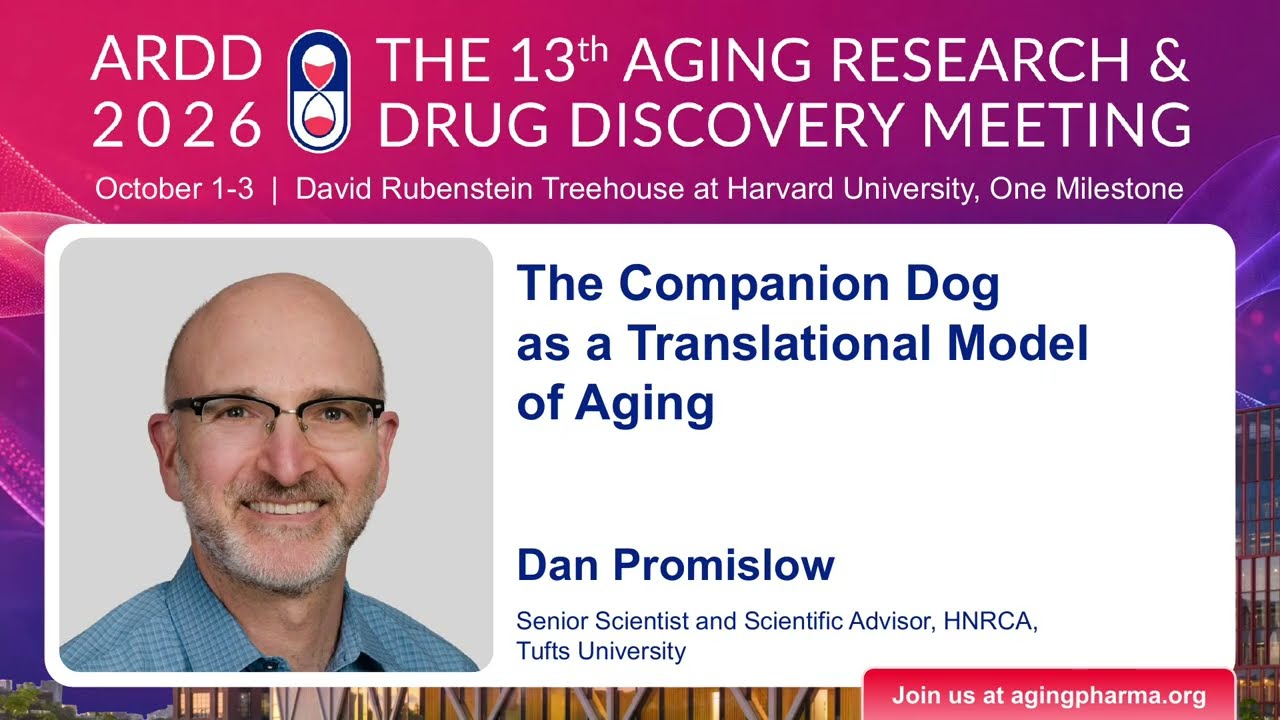
Dan Promislow at ARDD2026: The Companion Dog as a Translational Model of Aging

I. Executive Summary

Dan Promislow, Co-Director of the Dog Aging Project (DAP) and former Professor at the University of Washington,presents the companion domestic dog (Canis lupus familiaris ) as a translationally superior model for human geroscience.While traditional laboratory organisms (yeast, nematodes, Drosophila, and inbred rodents) have revealed fundamental longevity pathways, their translation to human clinical medicine is compromised by artificial pathogen-free housing, lack of genetic diversity, and absent environmental complexity. Companion dogs inhabit identical anthropogenic environments, share clinical veterinary healthcare infrastructures, display comparable multi-morbidity architectures, and possess high genetic heterogeneity while aging approximately seven to ten times faster than humans—enabling longitudinal multi-omic and lifespan intervention readouts within two to three years rather than multi-decade human observation periods.

The DAP infrastructure encompasses over 55,000 companion dogs across the United States. Within this cohort, the Foundation subcohort includes 6,000 dogs undergoing whole-genome sequencing, while the Precision cohort (~1,000 dogs) undergoes yearly longitudinal bio-sampling (plasma, serum, PBMCs, urine, feces, hair, dried blood spots) integrated with veterinary electronic medical records (Creevy et al., 2022). Epigenomic profiling using canine DNA methylation clocks demonstrates that age-associated hypomethylation in dogs directly mirrors transcriptional upregulation in aging humans, establishing conserved epigenetic remodeling across mammalian species (Snyder-Mackler et al., 2026).Longitudinal plasma metabolomics identified approximately 25 circulating metabolites that predict canine mortality in the final year of life—heavily enriched for renal dysfunction markers and protein catabolites (Harrison et al., 2023). Cross-referencing these canine signatures against seven prospective human metabolomic survival cohorts revealed identical predictive directions, validating that canine metabolic trajectories recapitulate human aging. Furthermore, genome-wide association studies (GWAS) mapped a major locus on canine chromosome 25 regulating kynurenic acid biosynthesis via kynurenine aminotransferase (KAT), directly connecting natural genetic variation to circulating tryptophan-kynurenine metabolites and NAD+ precursor pathways.

Finally, the DAP includes the Test of Rapamycin in Aging Dogs (TRIAD), a double-blind, randomized, placebo-controlled clinical trial evaluating 580 middle-aged to senior large dogs (>40 lbs, ≥7 years) randomized to low-dose weekly rapamycin or placebo for 12 months with two years of post-treatment observation (Kaeberlein et al., 2024).Primary endpoints assess echocardiographic cardiac remodeling and standardized veterinary neurological assessments of cognitive dysfunction. Independent Data and Safety Monitoring Board (DSMB) reviews confirm a favorable safety profile to date, although definitive lifespan and organ-specific functional efficacy remain blinded pending trial completion.

II. Insight Bullets

  • Laboratory model organisms like yeast, flies, and mice present a massive translational gap to human aging due to unnatural environments and inbred genetics.
  • Companion domestic dogs bridge this translational divide by sharing our domestic environment, veterinary care standards, and genetic diversity while aging on an accelerated timeline.
  • The Dog Aging Project operates a nationwide open-science biobanking and data collection platform that has enrolled over 55,000 companion dogs across the United States (Creevy et al., 2022).
  • Academic researchers can access de-identified health metrics, environmental exposures, and multi-omic data through cloud-based data repositories hosted on the Terra platform developed by the Broad Institute.
  • The Dog Aging Project Pack encompasses specialized sub-cohorts, including the Foundation cohort of 6,000 whole-genome sequenced dogs and the Precision cohort of approximately 1,000 longitudinally bio-sampled dogs.
  • The Precision cohort undergoes annual collection of whole blood, serum, plasma, PBMCs, urine, fecal samples,hair, and dried blood spot cards over the animal’s lifetime.
  • The National Institute on Aging (NIA) approved competitive Phase 2 renewal funding for the Dog Aging Project to sustain operations for an additional five years.
  • As part of Phase 2, the DAP is launching the “Generation” subcohort to perform 30x deep whole-genome sequencing and structural variant mapping on 1,000 of the oldest living dogs in the United States.
  • The founders established the non-profit Dog Aging Institute to provide philanthropic support and expand clinical translation outside federal grant cycles.
  • Canine DNA methylation clocks demonstrate that dogs showing slower biological age acceleration experience lower age-specific mortality rates (Snyder-Mackler et al., 2026).
  • Comparative epigenomics reveals that genomic loci undergoing age-related hypomethylation in dogs correspond to genes whose expression progressively increases with age in humans.
  • Longitudinal profiling of plasma metabolomes collected in the terminal year of life identified 25 specific circulating metabolites that accurately predict all-cause mortality in dogs.
  • Mortality-associated metabolites identified in canine plasma are heavily enriched for biomarkers reflecting renal clearance decline and protein catabolite accumulation (Harrison et al., 2023).
  • Comparative analysis of seven prospective human metabolomic survival studies confirmed that the metabolites predicting canine mortality correlate with human mortality in the identical direction.
  • The DAP identified conserved metabolic mortality signatures within 2.6 years of canine longitudinal sampling,whereas equivalent human prospective cohorts required 8 to 25 years of observation.
  • Genome-wide association analysis of canine blood metabolomes uncovered a dominant quantitative trait locus on chromosome 25 regulating circulating kynurenic acid concentrations.
  • The chromosome 25 genetic locus maps directly to the kynurenine aminotransferase gene, which diverts kynurenine into kynurenic acid within the broader tryptophan-to-NAD+ degradation pathway.
  • Coat characteristics like “furnishings” (eyebrows and facial hair) driven by alleles in RSPO2 and FGF5 correlate pleiotropically with systemic circulating levels of cystathionine, the immediate precursor to cysteine.
  • The Test of Rapamycin in Aging Dogs (TRIAD) represents the first large-scale, nationwide, randomized, double-blind, placebo-controlled trial evaluating an mTOR inhibitor on mammalian lifespan and healthspan in companion animals (Kaeberlein et al., 2024).
  • TRIAD enrollment is restricted to companion dogs that are at least seven years of age, weigh 40 pounds or heavier,and are spayed or neutered to control for the confounding variable of size-dependent aging rates.
  • Participating dogs in the TRIAD trial receive once-weekly oral rapamycin or a matched placebo for one year,followed by two full years of unmedicated clinical tracking.
  • TRIAD secondary efficacy outcomes are divided into a cardiology arm utilizing serial echocardiograms and a neurology arm tracking canine cognitive dysfunction syndrome via veterinary specialists.
  • Interim analysis by the independent Data and Safety Monitoring Board (DSMB) has confirmed a robust safety profile with no protocol-mandated stopping criteria triggered.
  • Definitive efficacy outcomes regarding canine lifespan extension and cognitive/cardiovascular preservation remain strictly masked until trial completion across all participating centers.
  • Domestic dogs represent an optimal translational system for separating the genetic effects of sex chromosomes from the physiological actions of gonadal hormones due to high baseline rates of elective spay and neuter procedures.
  • Biotechnology company NaNotics is developing programmable subtractive nanoparticles designed to deplete soluble immunosuppressive molecules, such as kynurenine pathway targets, directly from circulation.
  • The DAP maintains a strict safety threshold prohibiting the interventional testing of experimental geroprotective compounds in client-owned companion pets without prior safety and pharmacokinetic validation in laboratory settings.

IV. Actionable Protocol (Prioritized)

High Confidence Tier (Level A/B Evidence)

Domain Clinical Action Dosing / Target Primary Endpoint
All-Cause Mortality & Caloric Intake Moderate caloric restriction without malnutrition (Kealy et al., 2002; Colman et al., 2014) 15–25% reduction below ad libitum energy intake; maintain optimal micronutrient density Extension of median lifespan; delay in onset of chronic age-associated pathologies (osteoarthritis, neoplasia)
Renal Function Preservation Systematic monitoring and maintenance of glomerular filtration rate (GFR) (Levey et al., 2020) Target eGFR >60 mL/min/1.73m²; maintain systolic blood pressure <120–130 mmHg Prevention of uremic metabolite retention; reduction in cardiovascular mortality and end-stage renal disease (ESRD)
Immunosenescence & Target Inhibition Intermittent low-dose mTORC1 inhibition (Mannick et al., 2014; Mannick et al., 2018) Rapamycin (sirolimus) 0.5–1.0 mg/day or 5.0 mg once weekly; or RTB101/everolimus equivalent Enhanced response to influenza vaccination (+20%); reduced incidence of severe secondary respiratory tract infections

Experimental Tier (Level C/D Evidence - High Safety Margin)

  • Intermittent Low-Dose Rapamycin (Sirolimus) for Healthspan Expansion : Administer 0.15 mg/kg orally once weekly in dogs, or 3.0 to 6.0 mg orally once weekly in humans (Kaeberlein et al., 2024; Urfer et al., 2017).Mechanism : Transient, pulsatile inhibition of mechanistic target of rapamycin complex 1 (mTORC1) without chronic suppression of mTORC2. Promotes basal macroautophagy, suppresses the senescence-associated secretory phenotype (SASP), and mitigates age-associated ventricular hypertrophy while minimizing the risk of insulin resistance or systemic immunosuppression. Monitoring : Baseline and serial fasting lipid panels (triglycerides and total cholesterol), fasting glucose, complete blood counts (monitoring for microcytic anemia or mild thrombocytopenia), and clinical surveillance for aphthous stomatitis or delayed wound healing.
  • Tryptophan-Kynurenine Axis Modulation : Measure the plasma kynurenine-to-tryptophan (Kyn/Trp) ratio and downregulate upstream indoleamine 2,3-dioxygenase (IDO-1) and tryptophan 2,3-dioxygenase (TDO) activation via aerobic exercise and anti-inflammatory lifestyle protocols (Sorgdrager et al., 2019). Mechanism : Aerobic exercise upregulates skeletal muscle kynurenine aminotransferases (KATs) via PGC-1alpha, converting neurotoxic and immunosuppressive kynurenine into kynurenic acid (which does not cross the blood-brain barrier), thereby preventing central nervous system neurotoxicity and mitigating frailty. Monitoring : Fasting plasma tryptophan,kynurenine, and high-sensitivity C-reactive protein (hs-CRP).
  • DNA Methylation Clock Surveillance : Serial quantification of biological age acceleration using validated multi-tissue epigenetic clocks (e.g., Horvath Mammalian Clock, GrimAge, or canine-specific epigenetic clocks) (Snyder-Mackler et al., 2026). Mechanism : Assesses the cumulative rate of biological aging across CpG sites and detects changes in age acceleration relative to chronological baseline. Monitoring : Annual blood draws assessing standardized DNA methylation array panels.
  • Circulating Protein Catabolite Profiling : Quantification of small-molecule uremic retention solutes and amino acid catabolites in serum (Harrison et al., 2023). Mechanism : Identifies subclinical functional decline in microvascular filtration and mitochondrial degradation pathways prior to overt clinical elevations in blood urea nitrogen or serum creatinine. Monitoring : Comprehensive metabolic panels paired with quantitative untargeted or targeted metabolomics.

Produced by Gemini 2.5 Pro

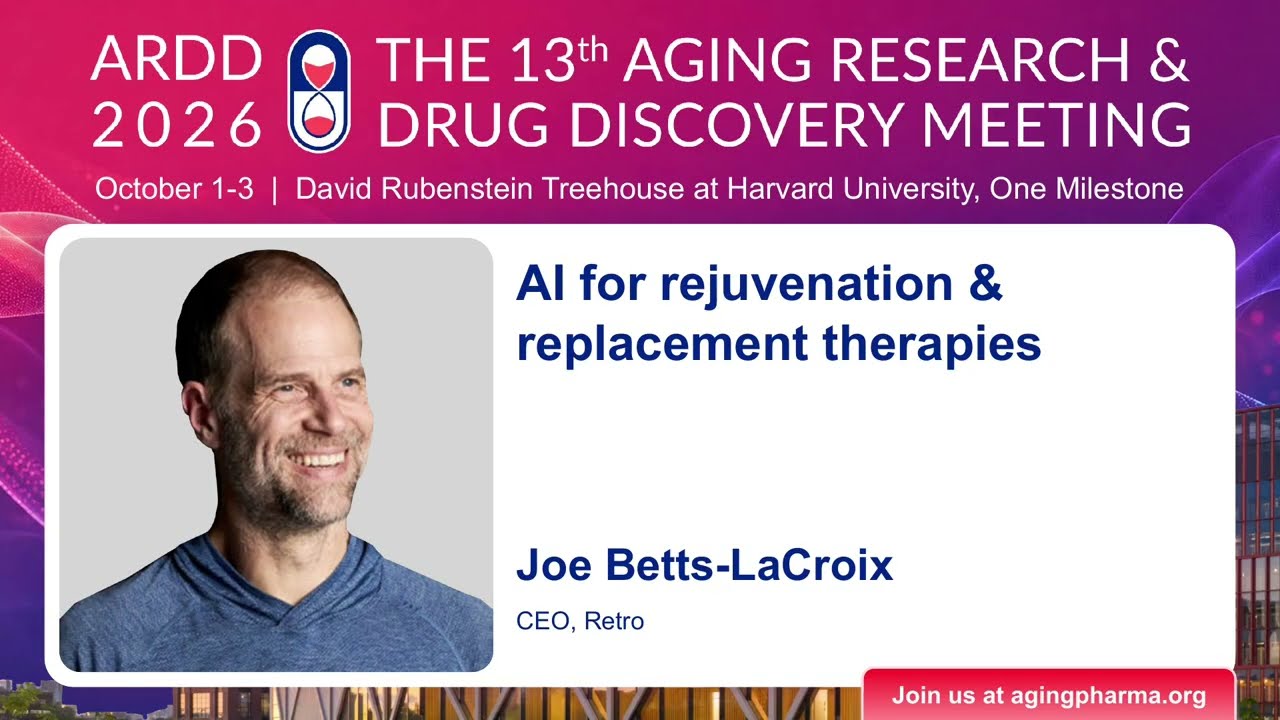
Joe Betts-LaCroix at ARDD2026: AI for rejuvenation & replacement therapies

I. Executive Summary

Joe Betts-LaCroix, CEO and Co-Founder of Retro Biosciences, details the company’s translational geroscience pipeline aimed at adding ten years of healthy human lifespan. The platform divides therapeutic rejuvenation into two central paradigms: cellular replacement for renewal-competent tissues and in situ cellular rejuvenation for anatomically fixed or delicate architectures. Because mammalian cellular biology exhibits vast mechanistic complexity that remains largely unresolved, direct replacement of aged, epigenetically exhausted cells with pristine youthful counterparts presents a deterministic shortcut to functional restoration.

In the replacement category, Retro Biosciences targets two primary immunological axes: hematopoietic stem cells (HSCs) and central nervous system microglia. Because HSCs orchestrate the lifelong production of all myeloid and lymphoid lineages, transplanting rejuvenated iPSC-derived HSCs resets the aged immune system. A recent preprint by Jain et al., 2026 demonstrated that human iPSC-derived HSCs engraft across serial in vivo transplantations while maintaining youthful epigenetic profiles and telomeric integrity, establishing that stem cell identity can be decoupled from chronological senescence. For neuroinflammation and microglial senescence, the company is developing microglial replacement therapies, leveraging clinical evidence indicating that peripheral monocyte-derived cells can cross the blood-brain barrier under specific pre-conditioning states to replace dysfunctional resident microglia.

For in situ rejuvenation, where cell swapping is unfeasible, Retro has advanced a clinical-stage small-molecule autophagy enhancer into Phase 1 clinical safety trials in Australia, with planned Phase 2 trials targeting Alzheimer’s disease pathology (Retro Biosciences). In parallel, early-stage discovery programs explore chemical rejuvenation and adeno-associated virus (AAV)-mediated partial reprogramming based on the pioneer work of Ocampo et al., 2016, focusing on localized delivery in age-related sensorineural hearing loss and knee osteoarthritis. To bypass viral delivery constraints (such as hepatic tropism and capsid immunogenicity), Retro partnered with OpenAI to develop generative protein foundation models. These models generated synthetic transcription factors exhibiting up to 80% sequence variation from wild-type Yamanaka factors while achieving a fifty-fold increase in reprogramming marker expression and direct nuclear translocation. Betts-LaCroix contends that overcoming translational bottlenecks requires robotic lab automation via the open-source PyLabRobot framework (Wierenga et al., 2023) and advocated for blind regulatory environments utilizing historic FDA clinical outcome data to train predictive clinical trial AI models.

II. Insight Bullets

  • Retro Biosciences operates with the corporate mission of adding ten years of healthy human lifespan by translating preclinical longevity research into human clinical development.
  • The company divides its translational platform into two primary modalities: wholesale cell replacement for accessible organ systems and in situ cellular rejuvenation for complex tissues.
  • Complete cellular replacement bypasses the requirement to decipher all intracellular aging mechanisms by substituting senescent cells with young, healthy counterparts.
  • Hematopoietic stem cells (HSCs) serve as an exceptionally high-leverage target for cellular replacement because they generate all mature red blood cells, platelets, and adaptive and innate immune cells.
  • A research preprint from Retro Biosciences demonstrated that human iPSC-derived HSCs retain youthful epigenetic signatures across serial in vivo engraftments in mammalian models (Jain et al., 2026).
  • The study confirms that definitive long-term hematopoietic stem cell identity can be biologically decoupled from epigenetic aging markers (Jain et al., 2026).
  • Resident brain microglia represent a second key cellular replacement target due to their driving role in chronic age-associated neuroinflammation and neurodegeneration.
  • Research from Stanford University indicates that monocyte-derived cells originating from the peripheral hematopoietic system can infiltrate the brain parenchyma to replace depleted microglial niches.
  • To support cell replacement pipelines, Retro Biosciences constructed an internal Good Manufacturing Practice (GMP) facility to produce clinical-grade cell therapies for direct patient administration.
  • For tissues where cellular replacement is anatomically unfeasible, in situ rejuvenation strategies are deployed using small molecules, gene therapies, and engineered proteins.
  • Retro’s clinical-stage small molecule is undergoing a Phase 1 clinical trial in Australia evaluating the safety and pharmacokinetics of restoring macroautophagy in neurodegenerative diseases.
  • The small-molecule autophagy activator is scheduled to enter Phase 2 clinical efficacy testing in patients with Alzheimer’s disease.
  • Chemical rejuvenation discovery programs are actively screening small-molecule combinations capable of inducing cellular epigenetic resets without transgenic transcription factor expression.
  • In vivo partial cellular reprogramming via transient expression of Yamanaka transcription factors is based on founding concepts pioneered by Retro advisor Ocampo et al., 2016.
  • Localized in vivo partial reprogramming programs using adeno-associated virus (AAV) delivery vectors are targeting age-related sensorineural hearing loss in the cochlea and osteoarthritis in the knee joint.
  • Initial preclinical in vivo studies utilizing local AAV-mediated reprogramming in joint and cochlear models have generated early proof-of-concept regenerative data.
  • Standard viral vectors (AAVs) and lipid nanoparticles (LNPs) face significant therapeutic hurdles due to strict packaging size limits, vector immunogenicity, and pronounced off-target liver tropism.
  • In collaboration with OpenAI, Retro Biosciences deployed generative protein models to design novel, non-natural transcription factors for cellular rejuvenation.
  • The generative AI model produced functional, synthetic transcription factors that diverged by up to 80% from wild-type sequences, avoiding the combinatorial limitations of conventional directed evolution.
  • In vitro validation demonstrated that AI-engineered reprogramming proteins drove over fifty-fold higher expression of pluripotency and rejuvenation markers compared to natural Yamanaka factors.
  • Retro’s protein engineering platform focuses on direct delivery of therapeutic proteins, enabling them to cross plasma membranes, enter the nucleus, and retain targeted transcriptional activity in vivo.
  • Directed protein delivery allows systemic tissue biodistribution while providing an orthogonal, programmable platform where protein cargos can be adjusted independently of the delivery mechanism.
  • Biological simulation of complex human physiology remains computationally intractable, requiring an estimated century of Moore’s Law progression to simulate a single human cell for 24 hours via brute-force computation.
  • High-dimensional biological prediction by advanced AI systems necessitates compressed, low-dimensional functional representations of human biological dynamics.
  • To resolve proprietary biological data bottlenecks, Retro Biosciences utilizes the open-source PyLabRobot library to automate multi-vendor laboratory hardware using native Python workflows (Wierenga et al., 2023).
  • The company connects automated liquid-handling systems via PyLabRobot to large language models that autonomously generate machine-executable experimental protocols from peer-reviewed publications.
  • The United States Food and Drug Administration retains a unique repository of proprietary, blinded pre-clinical and clinical trial outcome data that could serve as ground-truth training sets for predictive AI modeling.
  • Betts-LaCroix proposed that the Food and Drug Administration create secure, confidential blind-evaluation environments where AI models predict phase-by-phase clinical trial efficacy and toxicological failures prior to unblinding.

Produced by Gemini 2.5 Pro

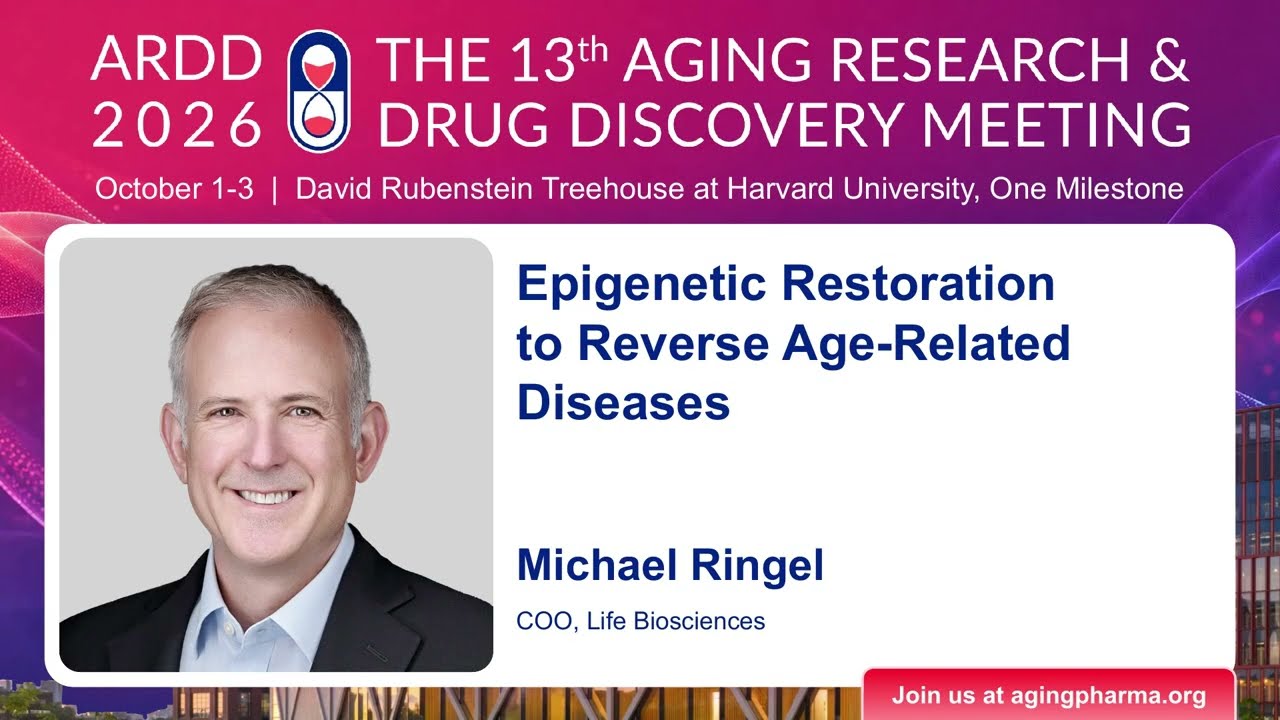
Michael Ringel at ARDD2026: Epigenetic Restoration to Reverse Age-Related Diseases

I. Executive Summary

Epigenetic restoration represents a foundational shift in geroscience, transitioning the clinical objective from palliative symptom suppression to the biological rejuvenation of damaged tissues. Delivered by Michael Ringel, CEO of Life Biosciences and former R&D lead at Boston Consulting Group, this presentation details the therapeutic application of partial cellular reprogramming to reverse age-related disease phenotypes. The underlying biological proof-of-concept originates in natural mammalian embryogenesis. Research led by the Gladyshev Laboratory demonstrated that mammalian zygotes inherit chronological age and macromolecular damage from parental gametes until an extensive epigenome-wide remodeling event between embryonic days 7 and 9 resets both epigenetic and transcriptional clocks to ground state zero. While classical Yamanaka reprogramming utilizes four transcription factors—Oct4, Sox2, Klf4, and c-Myc (OSKM)—to induce complete pluripotency, cellular dedifferentiation carries severe oncogenic and teratoma risks.

To circumvent neoplastic transformation while retaining restorative reprogramming capacity, researchers isolated the subminimal factor combination Oct4, Sox2, and Klf4 (OSK), omitting the oncogene c-Myc. As pioneered in landmark investigations by Lu et al. (2020), adeno-associated virus (AAV)-mediated delivery of OSK sustained for up to 18 months in murine models demonstrated zero ectopic Nanog induction and no increase in tumor incidence. Instead, OSK drove DNA demethylation across thousands of CpG islands, reverting pathological methylation states to youthful configurations and restoring visual function in models of optic nerve crush and glaucoma.

Translating this biology into clinical development, Life Biosciences engineered ER-100, an AAV gene therapy targeting retinal ganglion cells (RGCs) for two primary indications: primary open-angle glaucoma and non-arteritic anterior ischemic optic neuropathy (NAION). Rigorous translational bridge studies in non-human primates (NHPs) demonstrated targeted RGC transgene expression, youthful CpG methylation remodeling, and electrophysiological recovery of action potentials measured via pattern electroretinography (pERG). Following Good Laboratory Practice (GLP) toxicology studies demonstrating zero significant adverse events in NHPs, the FDA cleared ER-100 to enter Phase 1 clinical trials.Preclinical investigations are expanding systemically, demonstrating hepatocyte epigenetic restoration and fibrosis reduction in metabolic dysfunction-associated steatohepatitis (MASH), structural remodeling in chondrocytes, and a 109% extension of remaining lifespan following systemic viral delivery in aged mice.

II. Insight Bullets

  • Natural mammalian reproduction proves that aging is fundamentally reversible, as old gametic cells generate functionally rejuvenated offspring cleared of inherited biological aging markers.
  • Research from the Gladyshev Laboratory at Harvard Medical School established that murine embryos undergo an epigenome-wide reset between embryonic days 7 and 9, dropping epigenetic clock measurements to zero (Kerepesi et al., 2021).
  • Classical somatic cell nuclear transfer and induced pluripotent stem cell (iPSC) generation confirm that cellular aging is dictated by reversible epigenetic software rather than irreversible genomic hardware corruption (Takahashi & Yamanaka, 2006).
  • The original Yamanaka transcription factor cocktail relies on four factors (Oct4, Sox2, Klf4, and c-Myc), but the inclusion of c-Myc drives cellular dedifferentiation and lethal teratoma formation in vivo.
  • Omitting the oncogene c-Myc yields a subminimal tripartite factor combination—Oct4, Sox2, and Klf4 (OSK)—that facilitates cellular rejuvenation without erasing cell identity or inducing the pluripotency master regulator Nanog (Lu et al., 2020).
  • Preclinical murine models demonstrated that continuous viral expression of OSK over 18 months across the lifespan did not increase tumor incidence or produce systemic toxicity.
  • Vision loss from optic neuropathies accounts for more than four million disability-adjusted life years (DALYs) globally, directly accelerating physical frailty, accidental falls, social isolation, and secondary cognitive decline.
  • Life Biosciences was founded to translate epigenetic rejuvenation biology into clinical therapeutics, initiating human development with ophthalmic gene therapy candidate ER-100.
  • Open-angle glaucoma represents the leading cause of irreversible blindness in individuals over age sixty worldwide, mediated by elevated intraocular pressure and progressive retinal ganglion cell (RGC) apoptosis.
  • Non-arteritic anterior ischemic optic neuropathy (NAION) constitutes the primary cause of sudden, acute optic nerve stroke and blindness in adults over age fifty, lacking any FDA-approved disease-modifying therapies.
  • ER-100 utilizes an engineered adeno-associated viral (AAV) vector to selectively transduce surviving retinal ganglion cells in the neurosensory retina.
  • Non-human primate (NHP) models confirm robust transduction and persistent nuclear expression of Klf4 and partner factors specifically within the RGC monolayer.
  • Bisulfite sequencing across one thousand CpG dinucleotides confirms that OSK treatment actively restores methylated and demethylated loci in damaged RGCs back to youthful baselines.
  • Gene ontology profiling reveals that the CpG sites remodeled by OSK preferentially govern critical neuroregenerative pathways, axonal transport, and synaptic transmission.
  • Pattern electroretinography (pERG) in non-human primate ischemia models demonstrates that ER-100 restores electrical wave amplitude and signaling latency toward baseline within five weeks of administration.
  • In classical optic nerve pinch models, treatment with OSK stimulates robust de novo axonal outgrowth extending distal to the mechanical crush site.
  • In murine microbead-induced ocular hypertension models, OSK gene therapy fully restores visual acuity as quantified by reflexive optomotor response (OMR) tracking.
  • Formal Good Laboratory Practice (GLP) toxicology studies of ER-100 conducted in non-human primates yielded zero significant drug-related adverse events.
  • The US Food and Drug Administration cleared the Investigational New Drug (IND) application for ER-100,enabling Phase 1 clinical trial dosing in patients with glaucoma and NAION.
  • Initial human safety and secondary efficacy biomarker cohorts for ER-100 are undergoing clinical evaluation, with preliminary readouts scheduled for presentation at the American Academy of Ophthalmology (AAO).
  • In the Gubra-Amylin diet-induced obesity (GAN) murine model of MASH, OSK gene delivery significantly ameliorates hepatic steatosis and inflammatory lesions independent of body weight changes.
  • Epigenetic profiling of OSK-treated hepatocytes confirms molecular clustering alongside healthy, lean controls rather than diseased, untreated counterparts.
  • Epigenetic restoration operates via cell-intrinsic reprogramming, generating distinct, lineage-appropriate methylation profiles in hepatocytes compared to retinal ganglion cells.
  • In vitro and in vivo proof-of-concept models show that OSK restores youthful gene expression in retinal pigment epithelium (RPE) cells, targeting dry age-related macular degeneration (AMD).
  • Preclinical neurodegeneration models indicate that OSK reprogramming of cortical engram cell networks improves memory retrieval and synaptic plasticity.
  • Reprogramming protocols applied to aged cardiomyocytes improve post-ischemic functional recovery and attenuate adverse ventricular remodeling following myocardial infarction.
  • Transduction of senescent vascular endothelial cells with OSK restores nitric oxide bioavailability and downregulates vascular adhesion molecule expression.
  • In articular joint models, OSK delivery to chondrocytes stimulates extracellular matrix regeneration in cartilage and subchondral bone, reducing pain during mechanical loading.
  • Delivery of OSK into degenerated nucleus pulposus cells of the spine enhances proteoglycan synthesis, indicating therapeutic potential for degenerative disc disease.
  • Research from the Church Laboratory demonstrated that systemic whole-body delivery of OSK via AAV9 vectors extended remaining median lifespan in aged mice by 109% (Macip et al., 2024).
  • Current GLP safety and toxicology data packages for ocular AAV-OSK delivery are restricted to the eye and cannot support immediate clinical trials in extra-ocular indications without independent systemic toxicology testing.
  • Epigenetic reprogramming induces coordinated changes across DNA methylation, chromatin accessibility,transcriptional output, and cellular electrophysiology, establishing an empirical chain of biological causality.

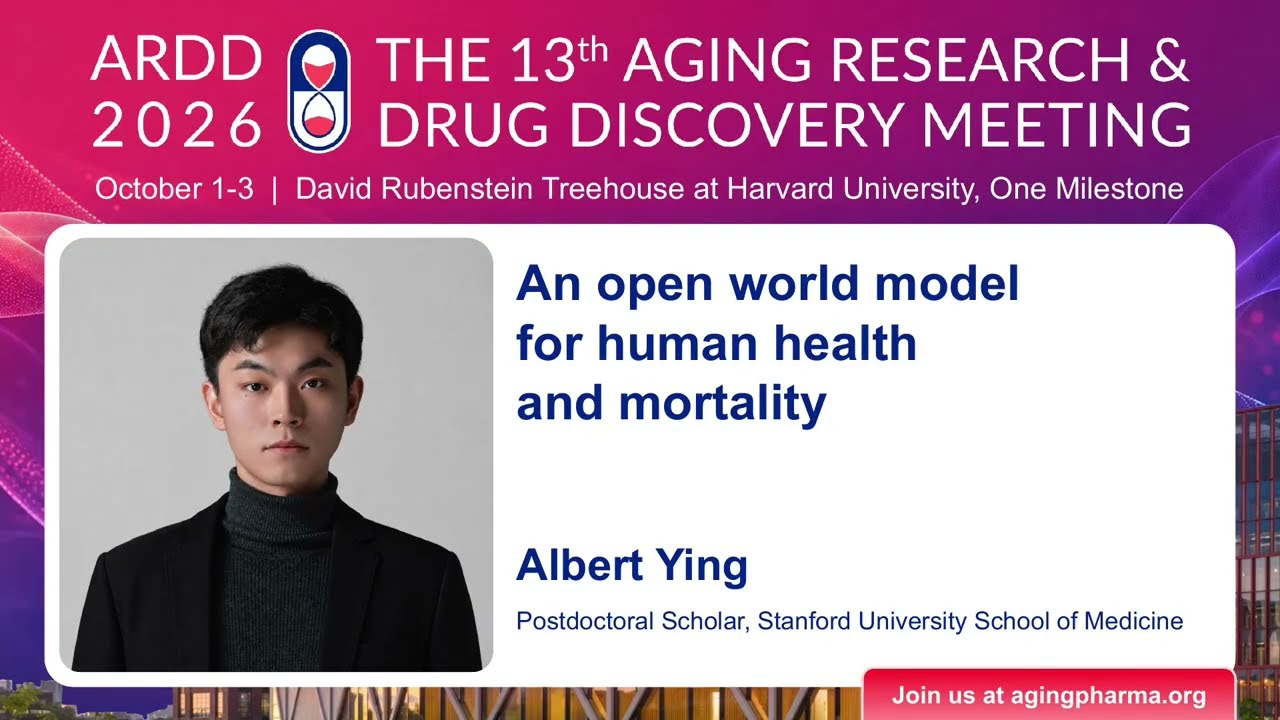
Kejun (Albert) Ying at ARDD2026: An open world model for human health and mortality

Use the initial prompt and apply it to this new video: https://www.youtube.com/watch?v=saqdwtsRuu4

I. Executive Summary

Artificial intelligence applications in geroscience are bifurcating into automated workflow agents (“AI scientists”) and foundational multi-scale virtual biology engines. Presenting at the Aging Research and Drug Discovery (ARDD) conference, Dr. Kejun (Albert) Ying—fellow at Stanford University and the University of Washington Institute for Protein Design—detailed two foundational computational platforms designed to decode human health trajectories and evolutionary lifespan regulation: HealthFlux and ESM-Life.

Existing generative healthcare architectures model human lifetime trajectories sequentially as discrete text tokens, treating clinical occurrences like words within a sentence. However, biological aging does not progress as a staccato sequence of diagnostic codes; it operates as a continuous, multi-dimensional dynamic state. To model this, Ying and colleagues engineered HealthFlux, an open-world multimodal model trained on 500,000 individuals from the UK Biobank. HealthFlux integrates eleven distinct clinical domains—including electronic health records, continuous physiological telemetry, blood panels, multi-omics, and whole-body magnetic resonance imaging (MRI)—into a unified 384-dimensional latent health vector. By coupling continuous-time neural network updates with ordinary differential equations, the architecture models unobserved physiological drift, sustaining predictive accuracy across a 20-year horizon for over 1,000 disease states and forecasting acute clinical events (such as incident heart failure) up to 120 days prior to decompensation. Furthermore, its “action branch” simulates pharmacological interventions in silico, replicating clinical outcomes across 286 randomized clinical trials and independently nominating geroprotective compounds like metformin.

At the evolutionary scale, current comparative genomics disproportionately focuses on transcriptional expression levels (“cellular software”) while neglecting the biophysical structural fitness of translated proteins (“molecular hardware”). Utilizing Meta AI’s evolutionary scale modeling (Lin et al., Science 2023), the ESM-Life platform folded over two million orthologous protein sequences in silico across 287 species. This structural analysis revealed 170 candidate proteins whose tertiary biophysical metrics—specifically catalytic pocket architecture, hydrogen bonding density, and disulfide bridge distribution—strongly correlate with species maximum lifespan. Structural adaptations proved completely orthogonal to transcriptional regulation and were heavily enriched within metabolic enzymes, including pocket alterations in the endogenous mTOR inhibitor DEPTOR and hydrogen bonding shifts in NAD synthetase. This opens avenues for the in silico de novo design of evolutionarily optimized, pro-longevity human enzymes.

II. Insight Bullets

  • Artificial intelligence for biomedical discovery comprises two complementary frontiers: autonomous agents designed to parse scientific literature and multi-scale foundational models that simulate physical biology.
  • Biological systems span a structural hierarchy ranging from sub-angstrom molecular mechanics to cellular, organ-level, individual, and pan-species evolutionary scales.
  • Prior longitudinal foundation models treated human life trajectories as linguistic sentences of discrete medical events, failing to capture continuous subclinical physiological drift (Germans et al., Nature Computational Science 2023).
  • Human health resembles a continuous multimodal video rather than text, requiring generative world models that fuse high-dimensional images, time-series vitals, and molecular biomarkers into a single evolving latent state.
  • HealthFlux compresses multimodal patient records from the UK Biobank across eleven clinical domains into a unified 384-dimensional health embedding vector.
  • The 384-dimensional health embedding projects onto a normalized, one-dimensional physiological vitality axis where 1.0 represents optimal resilience and 0.0 reflects imminent mortality.
  • HealthFlux integrates ordinary differential equations (ODEs) to continuously model unmeasured biological decline and physiological aging between sporadic clinical visits.
  • The continuous ODE-driven architecture maintains robust predictive accuracy for over 1,000 distinct pathologies across a 20-year clinical horizon, outperforming transformer-based context window limits.
  • Short-range predictive forecasting by HealthFlux identifies up to 75% of incident heart failure decompensations within 120 days prior to clinical hospitalization.
  • The open-world architecture utilizes semantic text embeddings of clinical descriptors to predict individual vulnerability to novel, unlearned disease states not included in the initial training set.
  • Single-modality screening approaches fail to detect approximately 50% of high-risk patients identified through integrated pan-modal biological profiling.
  • Different clinical modalities capture distinct pathological domains: serum metabolomics selectively predicts metabolic disease, while musculoskeletal MRI isolates functional neuromuscular decline.
  • Latent visual embeddings derived from organ MRI reveal subclinical risk signatures of tissue dysfunction long before gross morphological lesions emerge.
  • The model’s “action branch” encodes drug interventions as dynamic vector perturbations, enabling in silico forecasting of counterfactual patient health trajectories.
  • In silico counterfactual drug simulations within HealthFlux were successfully benchmarked and validated against clinical outcome data from 286 published randomized controlled trials.
  • Unsupervised pharmacological screening across synthetic trial cohorts independently identified established geroprotective agents, specifically validating metformin for all-cause mortality reduction.
  • Traditional comparative genomics focuses primarily on differential gene expression (cellular software) while ignoring evolutionarily conserved protein structural optimizations (molecular hardware).
  • The ESM-Life platform utilized Meta AI’s ESM-2 and ESMFold architectures (Lin et al., Science 2023) to predict tertiary 3D structures for two million orthologous protein sequences across 287 species.
  • Deep structural phenotyping across species demonstrated that maximum lifespan can be predicted from primary sequence-derived protein geometry alone with accuracy matching pan-mammalian DNA methylation clocks (Lu et al., Nature Aging 2023; Horvath et al., Science 2023).
  • Sequence-based structural models identified a maximum lifespan anomaly in the Cape golden mole (Chrysochloris asiatica ), predicting an exceptional 30-year lifespan compared to related species living under a decade.
  • Protein structural longevity signatures operate orthogonally to transcriptional expression adaptations, demonstrating zero direct correlation with comparative gene expression changes.
  • Structural longevity adaptations are heavily concentrated within catalytic metabolic enzymes, whereas structural changes are largely absent in intrinsically disordered transcription factors.
  • Tertiary structural modeling identified that the catalytic binding pocket volume of the endogenous mTOR inhibitor DEPTOR systematically expands in long-lived mammalian species.
  • Long-lived species demonstrate increased hydrogen bonding network density within critical bioenergetic enzymes, notably NAD synthetase.
  • Mapping structural evolutionary gradients allows generative protein design algorithms to engineer synthetic human enzymes with enhanced stability and catalytic profiles modeled after long-lived species.
  • Multi-scale virtual biology platforms provide a framework to screen combinatorial longevity interventions in silico prior to initiating costly longitudinal animal or human clinical trials.

Philipp Gut at ARDD2026: Nutrition to slow biological aging in dogs

I. Executive Summary

Canine geroscience provides an accelerated, highly translatable mammalian model for human longevity research.Domestic dogs (Canis lupus familiaris ) age roughly seven times faster than humans, share human household environments and environmental stressors, and exhibit complex spontaneous pathologies including osteoarthritis,metabolic dysfunction, cognitive impairment, and cancer. Crucially, companion animal models eliminate the behavioral and nutritional non-compliance that confounds longitudinal human longevity trials, enabling rigorous nutritional and pharmacological control. Presenting at the Aging Research and Drug Discovery (ARDD) conference, Dr. Philipp Gut of Nestlé detailed empirical frameworks establishing that targeted nutritional modulation, caloric restriction, and body weight normalization systematically slow biological and epigenetic aging in canines.

To quantify biological deceleration, researchers analyzed biobanked longitudinal serum and genomic samples spanning over three decades, notably from the landmark 14-year canine calorie restriction pair-feeding trial conducted by Purina(Kealy et al., 2002). Two complementary biological clock platforms were engineered: a veterinary Phenotypic Age (PhenoAge) score adapted from clinical routine chemistries (Levine et al., 2018) and high-resolution enzymatic methyl-sequencing (EM-seq) epigenetic clocks. Comparative analysis revealed that while clinical chemistry marker weights closely align between dogs and humans, species-specific algorithms are necessary to accurately capture mortality hazards.Crucially, canine PhenoAge captures substantial biological age acceleration in animals whose individual lab parameters remain nominally within standard veterinary reference intervals, revealing occult subclinical decline.

External validation across real-world cohorts through the Morris Animal Foundation Golden Retriever Lifetime Study confirmed that cumulative years spent with an elevated body condition score (BCS > 5) directly drive biological age acceleration and elevate clinical osteoarthritis incidence. Encouragingly, interventional weight loss trials demonstrate that dietary weight reduction normalizes biological age within six months in obese canines. Furthermore, syntenic EM-seq methylation clocks targeting evolutionary conserved regions flanking the transcription start site predict all-cause mortality, differentiate breed classifications, and detect biological age deceleration up to seven years prior to clinical divergence. These multi-omic clocks establish a standardized, non-invasive methodology (utilizing blood or buccal swabs) to evaluate longevity interventions, spanning caloric restriction, functional dietary formulations, and emerging mTOR inhibitors.

II. Insight Bullets

  • Domestic canines serve as an optimal translational geroscience model, experiencing biological aging at approximately seven times the human rate while sharing identical environmental exposures.
  • Canine breed architecture demonstrates that artificial selection for massive body size correlates with elevated circulating IGF-1, which drives accelerated biological senescence and truncated lifespans in giant breeds.
  • Controlled companion animal research eliminates behavioral and dietary non-compliance, enabling direct causal evaluation of nutritional longevity interventions.
  • Bi-directional translational research bridges veterinary and human medicine, as demonstrated by the exploratory finding that Bifidobacterium longum mitigates anxiety in human inflammatory bowel disease cohorts before successful deployment for canine behavioral stress (Pinto-Sanchez et al., 2017).
  • Following successful veterinary commercialization of the Bifidobacterium longum probiotic Calming Care by Purina, clinical trials are translating the formulation back into human irritable bowel syndrome cohorts.
  • The historical 14-year canine pair-feeding lifetime study established that a 25% caloric restriction extends median lifespan by 15% and delays the onset of chronic debilitating diseases (Kealy et al., 2002).
  • Long-term biobanked canine serum and genomic samples collected over three decades remain viable for modern multi-omic biomarker extraction and retrospective validation.
  • Two distinct biological clock modalities have been developed for veterinary geroscience: multi-parameter clinical PhenoAge scores and targeted DNA methylation clocks.
  • Comparative clinical chemistry demonstrates high concordance in biomarker directional weights between canines and humans, whereas feline metabolic profiles exhibit divergent patterns.
  • Standard human PhenoAge scoring algorithms based on the Levine matrix fail to capture canine mortality hazard ratios accurately, necessitating species-specific trained models (Levine et al., 2018).
  • Canine PhenoAge algorithms detect marked biological age acceleration in dogs whose routine serum chemistry and hematology markers sit within standard reference ranges.
  • When applied retrospectively to 14-year calorie-restricted cohorts, canine PhenoAge reveals significant deceleration of biological aging emerging by midlife.
  • External validation using the Morris Animal Foundation Golden Retriever Lifetime Study confirms that the PhenoAge algorithm accurately predicts mortality hazard ratios in real-world household pet dogs (Guy et al., 2015).
  • Cumulative duration of canine overweight status (Body Condition Score > 5) displays a direct, compounding association with biological age acceleration.
  • Chronic canine adiposity directly correlates with increased clinical incidence and accelerated progression of degenerative osteoarthritis.
  • In overweight and obese canines, implementing a targeted nutritional weight-loss intervention achieves near-complete normalization of biological age within six months.
  • Enzymatic methyl-sequencing (EM-seq) provides superior technical sensitivity and lower inter-assay variability compared to conventional bead-chip hybridization microarrays (Illumina).
  • Next-generation epigenetic clock designs target syntenic genomic regions encompassing 1 kilobase upstream and 500 base pairs downstream of the transcription start site.
  • Syntenic transcription start site targeting circumvents breed-specific genetic divergence, yielding cross-breed and cross-species epigenetic reliability.
  • Epigenetic methylation sequencing displays distinct genomic signatures that accurately function as an unsupervised canine breed classifier.
  • Syntenic EM-seq methylation clocks detect biological age deceleration in calorie-restricted canines as early as seven years of age, predicting mortality differences years in advance.
  • Real-world epigenetic screening in Golden Retrievers identifies accelerated biological age in dogs with diagnosed osteoarthritis as well as in asymptomatic dogs that develop clinical disease later in life.
  • Healthy, long-lived “super senior” dogs—defined as canines surviving beyond ten years with ideal body condition and zero chronic disease diagnoses—exhibit significantly lower epigenetic ages.
  • Syntenic epigenetic clock algorithms trained on blood-derived DNA can be accurately adapted to non-invasive buccal swabs by selecting conserved CpG dinucleotides.
  • Caloric restriction induces biological age deceleration across both male and female canines, with EM-seq sequencing demonstrating slight female sensitivity advantages over male-biased array clocks.
  • Veterinary geroscience is actively deploying biological and epigenetic clocks as primary surrogate endpoints in interventional trials evaluating functional diets and rapalog therapeutics (Urfer et al., 2017).
  • Establishing unified veterinary consensus on validated epigenetic and phenotypic clocks is critical to benchmark emerging pharmacological longevity interventions across industry pipelines.

Nicole Sirotin at ARDD2026: Advancing Longevity Therapeutics

I. Executive Summary

Longevity therapeutics often face a significant implementation bottleneck: advanced biogerontological discoveries struggle to transition from academic bench science into standardized clinical practice and public health infrastructure.Presenting at the Aging Research and Drug Discovery (ARDD) conference, Dr. Nicole Sirotin—internist, former department chair at Cleveland Clinic Abu Dhabi, and leader at the Institute for Healthier Living Abu Dhabi—outlined the systemic deployment of a national “genome-to-clinic” pipeline. Utilizing a single-payer, government-backed healthcare model, the United Arab Emirates has aligned economic incentives to keep populations healthy, eliminating the fee-for-service friction that impedes preventative medicine in Western healthcare systems.

The core infrastructure relies on three interconnected pillars: centralized health informatics, whole-genome sequencing,and state-mandated regulatory oversight. Through the mandatory national health information exchange platform (Malafi),the system consolidates over five million longitudinal patient electronic health records. This repository links directly with the Emirati Genome Program, which has sequenced over 800,000 whole genomes, with more than 400,000 records fully integrated with clinical phenotypes. In partnership with the Buck Institute for Research on Aging and Microsoft Azure,this data architecture supports the population-wide validation of polygenic risk scores (PRS) and direct-to-consumer genomic mobile integration.

Crucially, Dr. Sirotin emphasizes that longevity medicine cannot scale safely through unregulated, self-pay boutique clinics. These settings often lack proper clinical expertise, and non-specialist clinicians (e.g., urologists conducting cardiometabolic risk stratifications) frequently misinterpret standard diagnostic testing. To establish evidence-based guardrails, the Department of Health – Abu Dhabi collaborated with the Healthy Longevity Medicine Society to legislate the first government-mandated clinical and regulatory framework defining healthy longevity medicine as an accredited specialty. Supported by deep-phenotyping cohorts (replicating Eran Segal’s 10K Human Phenotype Project), large-scale physiological fasting trials during Ramadan, and an insurer-funded 22-week randomized trial comparing proactive multi-omic lifestyle protocols against standard care, the Abu Dhabi initiative demonstrates how public health integration can scale longevity therapeutics beyond private clinics.

II. Insight Bullets

  • Moving longevity medicine from experimental biology to clinical practice requires an integrated pipeline connecting population genomics, regulatory governance, and scalable clinical delivery.
  • Abu Dhabi’s healthcare model pairs a fully state-subsidized system for UAE nationals with government incentives to preserve baseline population healthspan.
  • Institutional partnerships, such as the establishment of Cleveland Clinic Abu Dhabi, provided the clinical foundation to execute complex multi-organ transplants within five years of hospital opening.
  • The national health information exchange (Malafi) mandatorily integrates more than five million patient electronic health records across all operating public and private clinics in the Emirate.
  • The Emirati Genome Program has completed over 800,000 whole-genome sequences, with more than 400,000 genomic profiles directly linked to longitudinal clinical records.
  • Research conducted with the Buck Institute for Research on Aging reveals significant baseline genetic diversity within the native Emirati population, challenging assumptions of regional genetic homogeneity.
  • The genome program is expanding its sequencing infrastructure beyond UAE nationals to include the resident expatriate population, which constitutes approximately 85% of the total demographic.
  • The Abu Dhabi Biobank provides automated cryopreservation infrastructure with an architectural capacity of five million biological specimen aliquots.
  • Secure multi-party research environments deployed across Microsoft Azure allow academic and biopharmaceutical researchers to query population-scale multi-omic data lakes while maintaining data governance.
  • Clinical validation programs are currently optimizing polygenic risk scores (PRS) to provide population-wide risk stratification and direct patient genomic access via mobile applications.
  • The Department of Health – Abu Dhabi partnered with the Healthy Longevity Medicine Society to publish the first government-mandated regulatory framework defining clinical standards for longevity medicine.
  • The commercial longevity sector frequently suffers from clinical misdiagnoses when practitioners without formal internal medicine or cardiovascular training misinterpret routine diagnostics like electrocardiograms.
  • Medical sub-specialization standards are necessary to ensure that cardio-metabolic risk assessments and multi-omic interpretations are executed by properly credentialed physicians.
  • The regulatory framework establishes workforce development standards to retrain and credential practicing physicians in geroprotective interventions, biomarker tracking, and preventative pharmacology.
  • A prospective physiological trial partnered with Harvard Medical School and Oura tracked continuous metabolic and autonomic metrics across a large real-world cohort during Ramadan intermittent fasting.
  • The Ramadan clinical protocol is advancing from an initial observational phase into an interventional trial assessing time-restricted feeding, sleep architecture, and metabolic resilience.
  • In collaboration with the Weizmann Institute of Science, Abu Dhabi established a dedicated clinical site replicating Eran Segal’s 10K Human Phenotype Project, offering comprehensive deep phenotyping free to all residents.
  • Deep phenotyping platforms track longitudinal multi-omic, microbiome, continuous glycemic, and imaging data to uncover subclinical drivers of chronic disease prior to clinical symptom onset.
  • Self-pay boutique longevity clinics remain economically inaccessible and fail to alter public health trajectories or lower chronic disease burdens across general populations.
  • A signature 22-week clinical trial funded by national health insurance compares a structured preventative longevity intervention against conventional standard of care to establish clinical and cost-effectiveness.
  • Demonstrating clinical and economic efficacy in structured longevity trials allows preventative care bundles to be formally incorporated into standard insurance reimbursement.
  • State-level sovereign biotechnology initiatives support parallel advances in local CAR-T cell biomanufacturing and gene therapy trials for inherited conditions like retinitis pigmentosa.
  • Abu Dhabi’s Department of Health is advancing first-in-class generative AI-designed preclinical therapeutic candidates into structured human clinical trials.
  • The national closed-loop single-payer ecosystem creates an environment to test whether comprehensive lifestyle,multi-omic, and pharmacological interventions can alter human aging trajectories at a population scale.

Panel at ARDD2026: Clinical Trials in Diseases of Aging

I. Executive Summary

The translational translation of the geroscience hypothesis—the premise that therapeutically targeting fundamental biological aging processes can simultaneously prevent multiple chronic diseases and functional decline—confronts an evidentiary bottleneck in modern clinical medicine. While preclinical models validate multi-system rejuvenation, moving preventative therapeutics into human populations requires resolving how to evaluate long-term risk reduction in cohorts that are currently asymptomatic. Waiting for conventional hard clinical endpoints, such as incident cardiovascular events,cancer, dementia, or all-cause mortality, demands clinical trial durations spanning decades and multi-billion-dollar investments. Consequently, clinical trial design must evolve from 18th-century disease-classification frameworks toward dynamic surrogate endpoints, encompassing molecular biomarkers of biological age, digital phenotyping, and validated measures of intrinsic capacity.

Historical precedents from cardiovascular medicine offer vital regulatory lessons. Establishing low-density lipoprotein cholesterol (LDL-C) and blood pressure as qualified surrogate endpoints required decades of clinical validation, from initial epidemiological observations in the Framingham Heart Study to Nobel Prize-winning receptor genetics and multi-center interventional trials. A critical lesson is that biomarker modulation does not inherently guarantee clinical safety:early pharmacological candidates lowered surrogate biomarkers yet paradoxically escalated patient morbidity and mortality. Therefore, proving biomarker surrogacy demands rigorous evidence demonstrating that the pharmacological slope of biomarker deceleration directly correlates with verified clinical risk reduction across multiple trial cohorts.

Furthermore, preventative medicine faces a significant behavioral hurdle: real-world patient adherence. Over 45% of patients discontinue statin therapy within twelve months of an acute myocardial infarction despite unequivocal Level A mortality benefits, because asymptomatic patients rarely maintain long-term compliance based purely on abstract biomarker readouts. Conversely, metabolic agents such as glucagon-like peptide-1 (GLP-1) receptor agonists achieve high patient engagement because immediate functional and phenotypic feedback (e.g., satiety, glycemic control, body composition) aligns with downstream reductions in cardiovascular and systemic multi-morbidities. Accelerating geroscience translation requires pre-competitive clinical consortia to bank multi-omic samples across hundreds of interventional trials, evaluate intrinsic functional capacity alongside molecular epigenetic clocks, deploy mandatory dual-baseline testing to prevent statistical regression to the mean, and leverage accelerated regulatory pathways like conditional surrogate approval.

II. Insight Bullets

  • The geroscience hypothesis posits that targeting core biological hallmarks of aging can concurrently delay or prevent multiple chronic morbidities and physical decline rather than treating isolated disease states.
  • Evaluating preventative longevity therapeutics in healthy, asymptomatic cohorts creates a clinical trial dilemma, as waiting for primary hard endpoints (cardiovascular events, dementia, cancer) requires decades of follow-up.
  • The US Food and Drug Administration (FDA) is actively engaging with geroscience researchers to establish regulatory parameters for evaluating aging as a formal clinical disease outcome.
  • Atossa Therapeutics is utilizing surrogate biomarkers, specifically reduction in mammographic breast density, to secure accelerated FDA approval for targeted breast cancer prevention five years prior to potential clinical disease emergence.
  • Accelerated approval regulatory pathways permit conditional commercial authorization based on a validated surrogate biomarker that is reasonably likely to predict clinical benefit, pending mandatory post-marketing confirmatory trials.
  • Legacy clinical medicine remains constrained by an outdated disease framework that defines clinical entities by end-stage symptomatic organ failure rather than upstream physiological deviations.
  • Real-world patient adherence to preventative cardiovascular pharmacotherapy is notoriously poor, with approximately 45% of patients discontinuing indicated statin therapy within one year following an acute myocardial infarction (Choudhry et al., 2011).
  • Long-term patient adherence to chronic prophylactic therapies requires perceptible, near-term functional feedback—such as improved sleep architecture, physical performance, or body composition—rather than abstract mathematical risk projections.
  • Incretin therapeutics developed by Novo Nordisk demonstrate high patient adherence because immediate metabolic improvements align with significant downstream reductions in major adverse cardiovascular events (Lincoff et al., SELECT Trial, 2023).
  • Obesity functions as an upstream driver linked to over two hundred aging-associated comorbidities, providing an established clinical framework for evaluating multi-system geroscience interventions.
  • The translation of LDL-C from a raw lipemic observation in the Framingham Heart Study to a regulatory surrogate required characterization of the LDL receptor (Brown & Goldstein, 1986) and confirmation across multiple clinical trials.
  • Multiple early pharmaceutical agents successfully lowered circulating LDL-C or raised HDL-C but paradoxically increased patient mortality, demonstrating that surrogate biomarker modulation does not automatically translate to clinical safety.
  • Biopharmaceutical sponsors face disincentives against measuring broad exploratory aging biomarkers in pivotal registration trials, as an unvalidated marker drifting in an adverse direction can derail an entire FDA drug approval.
  • Comprehensive qualification of molecular aging biomarkers as surrogate endpoints requires pre-competitive biopharma consortia that systematically pool biospecimens across hundreds of completed interventional trials (Biomarkers of Aging Consortium, 2023).
  • Evaluating aging interventions requires establishing a rigorous mathematical relationship showing that the slope of biomarker deceleration directly correlates with preservation of hard functional or clinical outcomes.
  • Clinical trial enrichment strategies that select participants with accelerated biological age must incorporate two independent baseline measurements to prevent false-positive treatment signals caused by statistical regression to the mean.
  • High-dimensional molecular biomarkers of aging must be organized into hierarchical tiers: Tier 1 consisting of essential validated core measures (DNA methylation arrays, targeted proteomics) and Tier 2 encompassing exploratory multi-omics.
  • Epigenetic clocks developed by Altos Labs investigator Prof. Steve Horvath demonstrate that DNA methylation profiling tracks systemic cellular senescence and multi-tissue biological age across mammalian species (Horvath, 2013).
  • Deep continuous physiological phenotyping via consumer wearables deployed in the Apple Health Study bridges population-scale physiological monitoring with granular molecular pathways.
  • Core human behavioral patterns that influence long-term biological aging trajectories are largely solidified by the conclusion of puberty, arguing for familial and early-life primordial preventative interventions.
  • Orphan and rare disease approval pathways established by the FDA allow small clinical trials (e.g., 100–120 patients) to achieve regulatory approval based on validated patient-reported functional outcomes rather than multi-thousand-patient event trials.
  • Mammographic breast density demonstrates a robust statistical correlation (r2≈0.7–0.8r2≈0.7–0.8) with five-year breast cancer risk, serving as an empirical model for how structural tissue imaging can function as an actionable surrogate.
  • Nutritional supplement manufacturers should conduct human interventional clinical trials measuring validated biological aging clocks to generate evidence-based efficacy rather than relying exclusively on rodent models.
  • Prescription medical foods formulated with specific keto acid analogues represent an established, insurance-reimbursed clinical modality to reduce nitrogenous waste and delay hemodialysis frequency in advanced chronic kidney disease.
  • The scientific editorial mandate of Nature Aging emphasizes the publication of human interventional trials evaluating aging biomarkers to bridge preclinical discoveries with clinical practice.
  • If a novel therapeutic intervention demonstrates significant improvements in clinical disease prevention and hard functional outcomes without altering known epigenetic clocks, the trial is a clinical success, confirming that hard patient outcomes always supersede surrogate molecular markers.
  • Regulatory consensus panels project that validated biological aging biomarkers will be formally qualified as primary efficacy endpoints in pivotal drug registration trials by 2035.

Morgan Levine at ARDD2026: Biology is Multiscale: Why Virtual Cells Are Not Enough

I. Executive Summary

Current virtual cell models are fundamentally insufficient for solving human aging because they conflate single-cell transcriptomic prediction with true multiscale biological understanding. Experimental perturbation screens across the human genome face an intractable combinatorial explosion: testing approximately 40,000 knockdowns and upregulations across just 10 cell types, five microenvironmental conditions, 100 genetic backgrounds, multiple time points, and multi-omic readouts rapidly scales into hundreds of millions or trillions of permutations, particularly when evaluating combinatorial gene targets or small molecules. While in silico virtual cells aim to solve this screening bottleneck and enable inverse design—identifying perturbations that transition a cell from a diseased or aged starting state to a healthy target state—existing architectures operate primarily as narrow, in silico approximations of Perturb-seq.

These models rely predominantly on single-cell RNA sequencing (scRNA-seq) data trained in constrained contexts such as embryonic stem cells or fibroblasts, failing reliably when extrapolated out-of-distribution to distinct cell types or physiological microenvironments. Furthermore, transcriptomic matrices represent only one noisy, incomplete projection of underlying cellular state rather than the state itself. Training generative AI architectures to reconstruct raw, high-dimensional omics matrices forces models to waste capacity fitting experimental noise while lacking an interpretable definition of target cell state. Evidence from the Arc Institute Virtual Cell Challenge demonstrates how poorly constructed, scale-sensitive leaderboard benchmarks can be gamed by inflating prediction variance or submitting random outputs, whereas biologically grounded generalization requires deeper representational fidelity.

To bridge the translational gap to aging and disease—which are emergent, multicellular, and organismal phenotypes rather than isolated single-cell states—the field must shift from generative single-cell data reconstruction to general biological intelligence modeled on world-model perception architectures. In this paradigm, diverse experimental modalities act as sensory inputs mapped into a unified, latent biological representation capable of supporting cross-scale reasoning,planning, and inverse perturbation discovery. Crucially, these perceptual models should minimize human-imposed biological priors and rigid binary disease labels, allowing representations to emerge directly from empirical data rather than human cognitive biases.

II. Insight Bullets

  • Virtual cells as currently formulated are insufficient to solve aging because aging manifests across multiscale,multicellular systems rather than isolated single cells.

  • Exhaustively perturbing all protein-coding genes via knockdown and upregulation requires roughly 40,000 baseline tests before accounting for biological replicates.

  • Expanding genome-wide perturbation screens across 10 cell types, five microenvironmental conditions (such as substrate stiffness, oxygen tension, or co-culture), and 100 genetic backgrounds escalates experimental demand to 200 million conditions before factoring in dynamic time points or multi-omic readouts.

  • Combinatorial target discovery and small-molecule screening cause the biological experimental permutation space to expand into trillions of possibilities that cannot be resolved at the wet-lab bench alone.

  • The core therapeutic objective for aging is solving the inverse problem: determining which perturbation moves a biological system from an initial state to a desired healthy target state.

  • Most existing virtual cell models function merely as in silico Perturb-seq emulators that predict single-cell RNA sequencing matrices following genetic perturbation.

  • Current virtual cell models are trained on narrow cell contexts, such as embryonic stem cells or fibroblasts, and consistently fail out-of-distribution across new cell types and microenvironments.

  • Single-cell RNA expression is not synonymous with cell state; it is a single, incomplete observational lens among many molecular and functional dimensions.

  • Measuring every possible omic modality across all conditions is economically and logistically infeasible, requiring benchmarks to identify which minimal, non-redundant data modalities capture true biological state.

  • During the Arc Institute Virtual Cell Challenge, participants discovered that a scale-sensitive evaluation metric could be artificially gamed by increasing prediction variance, allowing random perturbation predictions to rank highly on the leaderboard.

  • The research team at Altos Labs declined to exploit the metric vulnerability, prioritizing biological reliability and subsequently receiving the generalist prize at NeurIPS for broader biological relevance.

  • Predicting raw single-cell RNA-seq matrices is a flawed benchmark for virtual cells because raw transcriptomic outputs lack an interpretable mapping to functional target cell states.

  • Generative AI models trained directly on raw omics data expend substantial optimization capacity modeling technical and biological noise alongside true biological signal.

  • Replacing raw matrix generation with composite cell-state scores creates a secondary scalability bottleneck, as distinct scores may be required for every individual cell type and physiological function.

  • Different biological assay modalities behave like two-dimensional shadows cast by a hidden, high-dimensional latent biological object; models should learn the latent state rather than pixel-perfect shadows.

  • Disease and aging are organismal phenotypes, meaning single-cell latent representations must be contextualized within tissues, organs, and multicellular interactions to hold translational value.

  • Benchmarking should directly evaluate how accurately a model infers latent biological states and whether those latent representations predict higher-order organismal phenotypes.

  • Progress requires transitioning from specialized cell simulators to general biological world models equipped with a dedicated perception layer that compresses noisy, multi-modal sensory data into structured internal representations.

  • A biological world model separates sensory perception from downstream reasoning and planning, enabling in silico simulation, protein sequence design, and inverse therapeutic optimization.

  • Frontier large language models lack native perceptual representations of multiscale biology because human language and evolution did not equip humans with direct sensory apparatus for cellular and molecular dynamics.

  • Developers should avoid over-constraining biological foundation models with rigid human-imposed prior knowledge or binary clinical disease labels, as human biological understanding remains incomplete and biased.

  • An internal model representation that diverges from conventional human biological taxonomies is preferable if it yields superior predictive accuracy across multiscale phenotypes.

Produced by Gemini

Daniel Ives at ARDD2026: A single-cell clock and perturbation-model reveals anti-fibrotic targets

I. Executive Summary

Shift Bioscience has developed an in silico target-discovery pipeline pairing a single-cell transcriptomic aging clock with a virtual cell perturbation model to identify safer alternatives to Yamanaka factors (OSKM) for cellular rejuvenation.While OSKM reverses epigenetic age alongside altering cell identity, therapeutic translation requires single-gene targets or inhibitable pathways that reverse aging phenotypes without inducing teratomas or dedifferentiation. By profiling over 300 primary human dermal fibroblast lines across both DNA methylation and single-cell RNA sequencing, Shift Bioscience trained a transcriptomic aging clock that correlates above 0.9 with established principal-component and first-generation epigenetic clocks. Integrating this clock with transformer- and graph-neural-network-based virtual cell foundation models (such as scGPT) enables high-throughput in silico genetic perturbations to predict whether upregulating or knocking down specific genes shifts cellular age.

Experimental validation via siRNA knockdown and overexpression screens across multiple aged human dermal fibroblast donors revealed a strong biological overlap between cellular age reversal and anti-fibrotic activity, consistent with age-associated mesenchymal drift toward myofibroblast activation. Because fibrosis drives roughly one in six deaths globally across lung, liver, heart, kidney, and systemic tissues, anti-fibrotic efficacy offers a tractable clinical regulatory pathway for multi-organ rejuvenation therapeutics. Specifically, Shift Bioscience identified a proprietary transcription factor target,code-named SB-101, positioned as a central node within the canonical TGF-beta signaling cascade. Unlike broad systemic TGF-beta inhibition—which carries severe oncogenic and immunological toxicity—siRNA knockdown of SB-101 produces dose-dependent epigenetic age reversal (validated via the Levine skin-and-blood principal component clock) and suppresses TGF-beta-induced fibrosis across primary dermal, hepatic, pulmonary, and cardiac fibroblasts.

Despite promising in vitro cross-tissue efficacy and disease-stage correlation in human patient cohorts (MASH, idiopathic pulmonary fibrosis, heart failure, systemic sclerosis), clinical translation remains constrained by substantial delivery bottlenecks and circular validation risks. Extrahepatic siRNA delivery to fibroblasts lags behind hepatocyte GalNAc conjugates, and prior clinical attempts using retinol-conjugated lipid nanoparticles to target hepatic stellate cells achieved insufficient knockdown. Consequently, Shift Bioscience is expanding toward hepatocyte-expressed, genetically validated,and small-molecule-druggable targets while initiating murine fibrosis and lifespan studies to establish definitive organismal proof-of-concept.

II. Insight Bullets

  • Shift Bioscience aims to uncover single-gene or druggable alternatives to the four Yamanaka factors (OSKM) that decouple cellular rejuvenation from loss of somatic cell identity.

  • By pairing DNA methylation profiles with single-cell RNA sequencing across more than 300 primary human dermal fibroblast lines, Shift Bioscience trained a single-cell transcriptomic aging clock achieving correlations greater than 0.9 with principal-component and first-generation epigenetic clocks.

  • Coupling a transcriptomic aging clock to a virtual cell perturbation model—such as scGPT developed by Bo Wang’s laboratory—allows rapid in silico screening of gene upregulations and knockdowns for predicted age reversal.

  • In silico combinatorial perturbation distributions revealed that single driver genes frequently account for the rejuvenating effects observed in multi-gene combinations.

  • Wet-lab validation via overexpression screening identified approximately 190 targets significantly altering single-cell age, comprising roughly 150 rejuvenating hits and 40 pro-aging hits.

  • Inhibiting pro-aging genes via knockdown offers a more tractable pharmaceutical development path than multi-factor gene overexpression.

  • Dual screening for single-cell age reversal and fibrotic phenotypes demonstrated a high degree of convergence between cellular rejuvenation and anti-fibrotic activity, aligning with age-related mesenchymal drift from fibroblasts into activated myofibroblasts.

  • Fibrosis across lung, liver, kidney, heart, and systemic sclerosis accounts for roughly one in six deaths globally and provides a commercially and regulatorily viable indication to deploy rejuvenating therapeutics across multiple organs.

  • The lead proprietary target, code-named SB-101, is a transcription factor situated as a specific regulatory node inside the canonical TGF-beta signaling pathway.

  • Whereas pan-pathway systemic inhibition of TGF-beta increases tumor risk and disrupts tissue homeostasis,selective knockdown of SB-101 attenuates fibrotic signaling without requiring full pathway blockade.

  • Knockdown of SB-101 using siRNA demonstrated dose-dependent epigenetic rejuvenation in aged human dermal fibroblasts when independently measured on the PCGrimAge / PC PhenoAge / Skin & Blood epigenetic clock framework.

  • In human keratinocytes, SB-101 knockdown exhibited narrower therapeutic windows due to cell viability sensitivity, whereas distinct overexpression targets produced stronger rejuvenation in keratinocytes than in fibroblasts.

  • siRNA-mediated inhibition of SB-101 produced dose-dependent suppression of TGF-beta-induced fibrosis across primary human dermal, liver, lung, and heart fibroblasts in vitro.

  • Independent preclinical literature cited in the presentation indicates that lipid nanoparticle siRNA delivery against the SB-101 gene normalized serum liver-damage biomarkers in rodents (lacking histological confirmation) and that conditional knockout in cardiac fibroblasts prevented post-myocardial infarction fibrosis.

  • Human patient transcriptomic datasets show elevated SB-101 expression correlating with disease progression in metabolic dysfunction-associated steatohepatitis (MASH up to stage F4), idiopathic pulmonary fibrosis (IPF), heart failure, and systemic sclerosis.

  • Testing siRNA hits across multiple primary donor lines (e.g., 43-year-old male, 63-year-old female, and 67-year-old female donors) is critical to filter out donor-specific artifacts, while mTOR knockdown serves as a positive pharmacological benchmark for both single-cell age reversal and autophagy induction.

  • While GalNAc-siRNA conjugates pioneered by Alnylam Pharmaceuticals reliably target hepatocytes, targeted nucleic acid delivery to tissue-resident fibroblasts remains an unsolved clinical bottleneck.

  • A prior clinical program by Bristol Myers Squibb and Nitto Denko utilizing retinol-conjugated lipid nanoparticles to target retinoid receptors on hepatic stellate cells achieved only modest target knockdown and failed to demonstrate clinical efficacy.

  • To mitigate fibroblast delivery risk, Shift Bioscience has expanded its pipeline to include non-transcription-factor targets—such as kinases, RNA-binding proteins, histone-binding proteins, and circulating proteins—as well as hepatocyte-enriched genes, small-molecule-druggable targets, and genes with human genetic validation in skin and cardiac fibrosis.

  • Careful training and benchmarking of virtual cell perturbation models are necessary to prevent models from fitting technical transcriptomic noise rather than true biological perturbation responses.

  • Validating transcriptomic clock hits using epigenetic methylation clocks introduces potential circularity because the single-cell clock was originally trained to predict DNA methylation, requiring orthogonal validation via aging hallmarks and in vivo murine lifespan studies.

  • Ongoing murine lifespan validation studies must control for strain-specific confounding pathologies, notably the high background incidence of B-cell lymphoma mortality in aging C57BL/6J mice.